PRESCRIPTION REQUIRED – Last updated:
Medically reviewed by VippHealth Pharmacy Advisory Board. About our editorial process
Prednisone
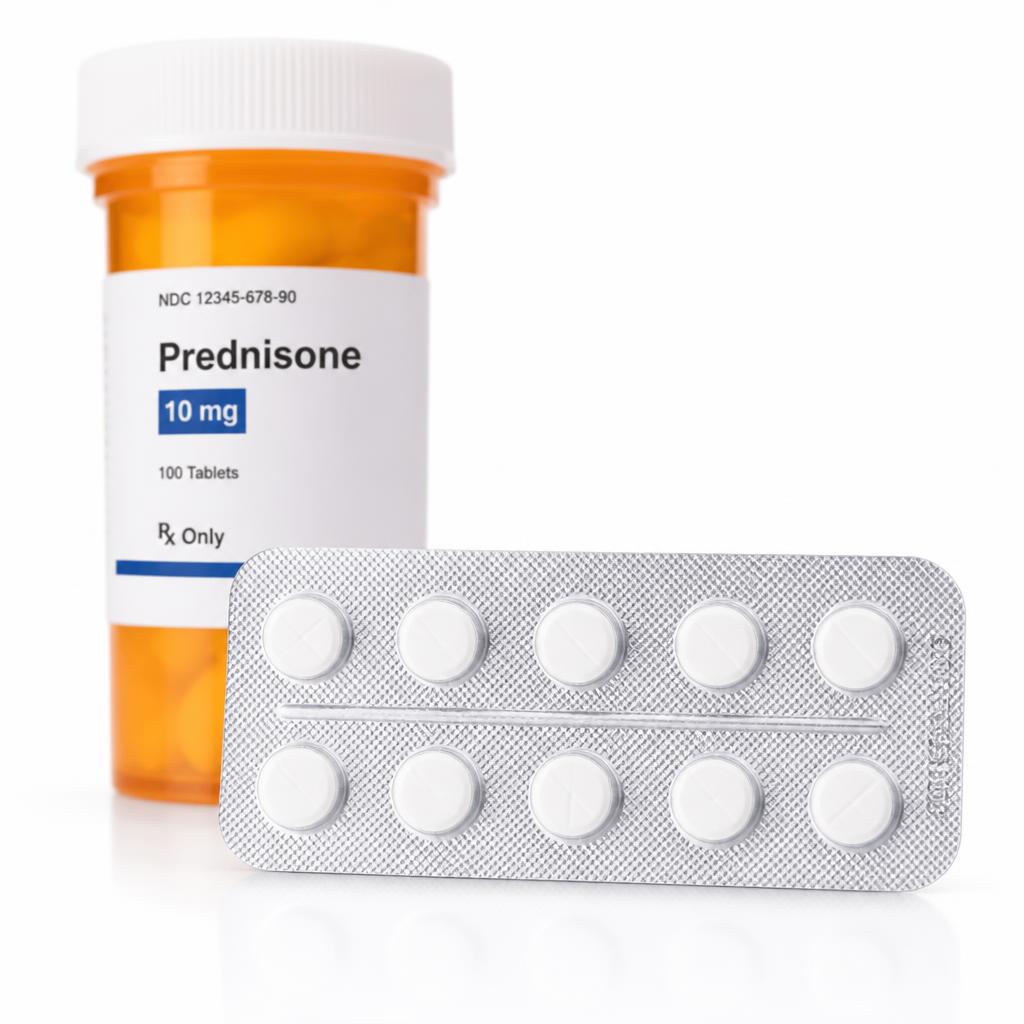
Prednisone is a corticosteroid medication used to treat inflammation, autoimmune conditions and allergic reactions. It mimics cortisol, a hormone produced by the adrenal glands, to suppress immune response and reduce swelling. Available in 5mg, 10mg, 20mg and 40mg tablets, prednisone requires careful dosing and gradual tapering to prevent adrenal crisis.
What Is Prednisone
Prednisone is a synthetic glucocorticoid prescribed for short-term and long-term management of inflammatory disorders. Doctors prescribe it for rheumatoid arthritis, lupus, asthma, COPD, severe allergies, psoriasis and inflammatory bowel disease. It is also used to prevent organ rejection after transplantation and to manage certain cancers alongside chemotherapy.
Unlike over-the-counter anti-inflammatories, prednisone affects the entire immune system. This makes it effective for systemic conditions but also increases the risk of infections and hormonal disruption. Patients must follow exact dosing schedules and never stop taking prednisone abruptly. Those obtaining prednisone through online pharmacies should first consult a healthcare provider to determine appropriate strength and duration.
2026 Pharmacy Price Comparison
Prices below reflect generic prednisone costs with a valid prescription at major US pharmacies. Actual prices vary by location and insurance coverage.
*Prices verified June 2026. GoodRx coupons can reduce costs by an additional 15-30%. Most insurance plans cover generic prednisone with $0-10 copay.
Monthly Savings: Generic vs Brand
Brand Deltasone (30 tablets)
$85
Generic Costco (30 tablets)
$8
Your Monthly Savings
$77
Prednisone Dosage and Strengths
Available Tablet Strengths
Prednisone is manufactured in several tablet strengths to accommodate different treatment plans. Your doctor will select the appropriate strength based on your diagnosis, age and response to therapy. The most commonly prescribed strengths are 5mg, 10mg, 20mg and 40mg tablets.
- 5mg tablets: Used for maintenance therapy and mild inflammatory conditions. Often prescribed for long-term management at low dose.
- 10mg tablets: Standard starting dose for moderate autoimmune flares and allergic reactions.
- 20mg tablets: Common for acute exacerbations, severe asthma attacks and inflammatory bowel disease flares.
- 40mg tablets: Reserved for severe systemic inflammation, short-term burst therapy and certain autoimmune emergencies.
Standard Adult Dosing
Dosing depends on the condition being treated. For mild inflammation, doctors typically start with 5mg to 10mg per day. For moderate autoimmune flares, 20mg to 40mg per day may be prescribed. Severe acute conditions such as asthma exacerbations or allergic emergencies may require 40mg to 60mg daily for three to five days.
Always take prednisone exactly as prescribed. Do not increase the dose without medical supervision. Higher doses increase the risk of adrenal suppression, osteoporosis, high blood sugar and mood changes. Patients filling prescriptions through online pharmacies should verify they receive the exact strength prescribed by their doctor.
Tapering Protocols
Tapering is mandatory for anyone who has taken prednisone for more than two weeks. Stopping suddenly causes adrenal insufficiency because the body stops producing its own cortisol. Symptoms include fatigue, muscle weakness, joint pain, low blood pressure and life-threatening adrenal crisis.
A standard taper reduces the dose by 5mg every three to seven days. For example, a patient on 40mg might taper to 35mg for five days, then 30mg for five days, continuing until reaching 5mg. Some protocols require an even slower reduction below 10mg, dropping by 1mg every week. Patients who obtain medication without medical oversight sometimes skip tapering, which creates serious health risks.
Never create your own tapering schedule. Your doctor will adjust the speed based on how long you took prednisone, your current dose and your underlying condition. Blood tests may be required to monitor cortisol levels during the taper.
Missed Dose Instructions
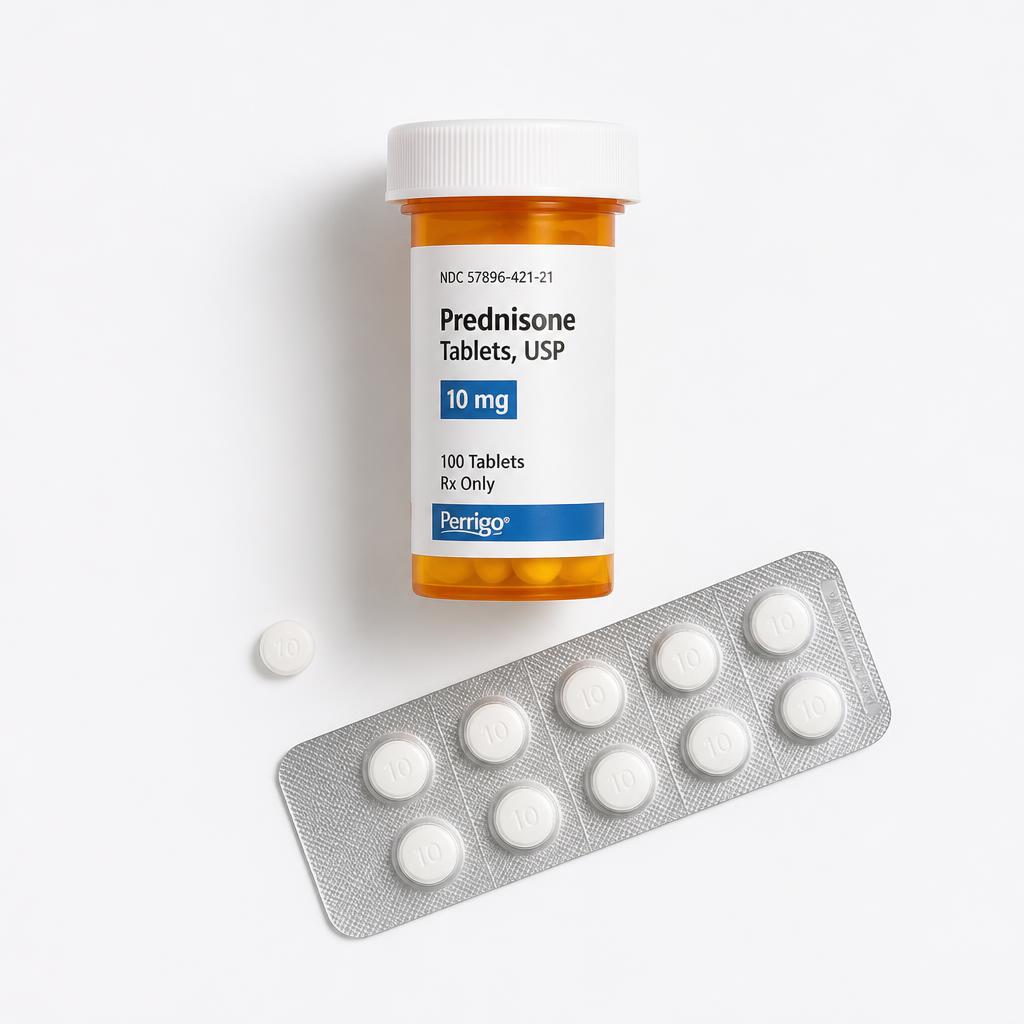
If you miss a dose, take it as soon as you remember unless it is nearly time for your next scheduled dose. In that case, skip the missed dose and resume your normal schedule. Never double the dose to catch up. Doubling increases the risk of adrenal suppression and side effects. If you miss multiple doses, contact your doctor. You may need to restart at a lower dose or adjust your tapering schedule.
Pediatric Considerations
Children receive prednisone based on body weight, typically 0.5mg to 2mg per kilogram per day. Long-term use in children can slow growth and delay puberty. Pediatric patients require regular height and weight monitoring. Parents should watch for mood changes, increased appetite and difficulty sleeping.
How Prednisone Works
Prednisone is a prodrug. This means it is biologically inactive until processed by the liver. The liver enzyme 11-beta-hydroxysteroid dehydrogenase converts prednisone into prednisolone. Patients with severe liver disease may have impaired conversion, which is why doctors sometimes prescribe prednisolone directly instead of prednisone.
Once activated, prednisolone crosses cell membranes and binds to cytoplasmic glucocorticoid receptors. The resulting hormone-receptor complex moves into the cell nucleus and alters gene transcription. It suppresses the production of interleukins, interferons and tumor necrosis factor-alpha. These chemicals normally drive inflammation, fever and immune cell recruitment. By silencing their production, prednisone stops the inflammatory cascade at its source.
After oral administration, prednisone converts to prednisolone in the liver. Peak plasma concentration occurs within one to two hours, and biological effects last approximately twelve to thirty-six hours depending on dosage.
Prednisone vs Prednisolone
Prednisone and prednisolone are often confused because they treat the same conditions. Prednisone requires liver activation. Prednisolone is already active. For patients with normal liver function, both drugs produce identical results. Prednisolone is preferred for patients with acute liver failure, severe cirrhosis or hepatitis because their bodies cannot efficiently convert prednisone. Dosing is equivalent milligram for milligram. A 5mg prednisone tablet provides the same therapeutic effect as 5mg prednisolone in patients with healthy livers.
Conditions Treated by Prednisone
Doctors prescribe prednisone for a wide range of inflammatory and autoimmune conditions. Patients researching treatment options online often have one of the following diagnoses:
- Arthritis: Rheumatoid arthritis, psoriatic arthritis and gout flares.
- Respiratory: Asthma, COPD, sarcoidosis and interstitial lung disease.
- Autoimmune: Lupus, multiple sclerosis flares, polymyalgia rheumatica and temporal arteritis.
- Skin: Eczema, psoriasis, severe allergic rashes and pemphigus.
- Gastrointestinal: Crohn’s disease, ulcerative colitis and autoimmune hepatitis.
- Other: Blood disorders, certain cancers, adrenal insufficiency and transplant rejection prevention.
Prednisone for Dogs
Veterinarians prescribe prednisone for dogs to treat allergies, autoimmune skin diseases, arthritis, spinal cord inflammation and certain cancers. Canine dosing differs from human dosing and is calculated by body weight. Owners seeking veterinary prednisone should understand that veterinary supervision is essential. Incorrect dosing in dogs causes excessive thirst, frequent urination, weight gain, panting and increased infection risk. Never give human prednisone tablets to dogs without veterinary guidance. Strengths and formulations differ between human and veterinary products.
Side Effects
Common Side Effects
Most patients experience at least one mild side effect during treatment. These usually resolve after tapering or stopping the medication:
- Increased appetite and weight gain
- Fluid retention and swelling in the face (moon face)
- Insomnia or sleep disruption
- Mood swings, anxiety or irritability
- Indigestion, nausea or stomach upset
- Acne and thinning skin
- Increased sweating
Serious Side Effects
Contact emergency medical services immediately if you experience:
- Severe allergic reaction: difficulty breathing, hives, swelling of the face or throat
- Adrenal crisis: severe weakness, confusion, vomiting, low blood pressure, fainting
- Vision changes: blurred vision, eye pain or sudden vision loss
- Signs of infection: fever, persistent sore throat, painful urination, wounds that do not heal
- Blood in stool or vomit, black tarry stools
- Severe depression, hallucinations or suicidal thoughts
- Sudden severe headache or seizures
Long-term high-dose therapy increases the risk of osteoporosis, diabetes, cataracts, glaucoma and heart disease. Regular bone density scans, eye exams and blood sugar monitoring are essential for patients on prolonged therapy.
Who Should Not Take Prednisone
Prednisone is contraindicated in patients with systemic fungal infections. It should not be used by individuals with known hypersensitivity to prednisone or any tablet excipients. Patients receiving live virus vaccines must avoid prednisone during the immunization period and for at least three months afterward. Those with active untreated infections, particularly tuberculosis, require anti-infective therapy before starting corticosteroids. Herpes simplex keratitis is another contraindication because prednisone can worsen viral eye infections and cause perforation.
Warnings and Precautions
Do not take prednisone if you have a systemic fungal infection. Live vaccines should be avoided during treatment and for several months after stopping because the immune system is suppressed. These include measles, mumps, rubella, polio and yellow fever vaccines.
Inform your doctor if you have:
- Diabetes or high blood sugar
- High blood pressure or heart disease
- Osteoporosis or history of fractures
- Thyroid disorders
- Kidney or liver disease
- Mental health conditions including depression or bipolar disorder
- Stomach ulcers or gastrointestinal bleeding history
Alcohol increases the risk of stomach bleeding. Limit or avoid alcohol while taking prednisone. Salt intake should be reduced to prevent fluid retention and blood pressure spikes.
Drug Interactions
Prednisone interacts with numerous medications. Always provide your doctor with a complete list of prescriptions, supplements and over-the-counter drugs.
- NSAIDs (ibuprofen, naproxen, aspirin): Increased risk of stomach ulcers and bleeding.
- Anticoagulants (warfarin): Prednisone may increase or decrease anticoagulant effect. INR monitoring is required.
- Antidiabetic drugs: Prednisone raises blood sugar, requiring dose adjustments for insulin or oral hypoglycemics.
- Diuretics: Combined use can cause dangerous potassium loss.
- Antifungals (ketoconazole): May increase prednisone levels in blood.
- Antibiotics (rifampin): May decrease prednisone effectiveness.
- Seizure medications (phenytoin, phenobarbital): Reduce prednisone concentration.
Prednisone and Pregnancy
Prednisone crosses the placenta. Low doses appear relatively safe during pregnancy, but high doses or prolonged use may increase the risk of low birth weight, premature delivery or cleft palate. Pregnant patients should use the lowest effective dose for the shortest possible time.
Prednisone passes into breast milk in small amounts. Breastfeeding mothers should monitor infants for signs of slowed growth or adrenal suppression. Consult a pediatrician before nursing while on prednisone.
Overdose Information
Overdose symptoms include severe muscle weakness, vision problems, severe headache, swelling, shortness of breath, seizures and loss of consciousness. An overdose requires immediate emergency medical attention. Do not induce vomiting unless instructed by poison control.
Chronic overdose from prolonged high-dose therapy causes Cushing syndrome: rounded face, central obesity, purple stretch marks, thin skin and muscle wasting. Treatment involves gradual dose reduction under endocrinologist supervision.
How to Obtain Prednisone
Prednisone is available at licensed pharmacies with a valid prescription. Patients can fill prescriptions at local retail pharmacies, hospital pharmacies or verified online pharmacies. When evaluating online options, verify that the pharmacy requires a prescription and is licensed in your state or country.
Legitimate online pharmacies display accreditation from the National Association of Boards of Pharmacy or equivalent state regulatory bodies. Sources offering prednisone without requiring a valid prescription operate illegally and may provide counterfeit, contaminated or incorrectly dosed medication. Any website advertising prednisone at prices significantly below market rates should be treated with suspicion.
For pet owners seeking veterinary prednisone, specialized pet pharmacies and veterinary clinics carry canine-specific formulations. Human prednisone tablets should not be given to dogs without veterinary approval.
Storage and Handling
Store prednisone at room temperature between 20C and 25C (68F to 77F). Keep the container tightly closed and away from moisture, heat and direct light. Do not store in the bathroom. Keep out of reach of children and pets.
Dispose of expired or unused medication through a pharmacy take-back program. Do not flush prednisone down the toilet unless specifically instructed.
Frequently Asked Questions
Is prednisone available over the counter?
No. Prednisone requires a prescription in the United States, Canada, United Kingdom and most other countries. It is not available over the counter because improper use can cause adrenal suppression, infections and other serious complications. Any source dispensing prednisone without a valid prescription is operating illegally and may provide unsafe products.
How long does prednisone stay in your system?
Prednisone has a half-life of approximately three to four hours. Prednisolone, its active form, has a half-life of two to three hours. Most of the drug clears from the body within twenty-four hours, but biological effects on the immune system and adrenal glands can last days or weeks depending on dosage and duration of use.
Can you drink alcohol while taking prednisone?
Alcohol is not recommended. Both alcohol and prednisone irritate the stomach lining. Combined use significantly increases the risk of gastritis, ulcers and gastrointestinal bleeding. If you choose to drink, limit intake and take prednisone with food.
What happens if you stop prednisone suddenly?
Sudden discontinuation after two or more weeks of use can trigger adrenal insufficiency. Symptoms include extreme fatigue, muscle weakness, joint pain, low blood pressure, dizziness, nausea and vomiting. In severe cases, adrenal crisis causes shock and requires emergency hospitalization. Always taper under medical supervision.
Does prednisone cause weight gain?
Yes. Prednisone increases appetite, causes fluid retention and redistributes fat to the face, neck and abdomen. Weight gain is common during the first weeks of therapy. Reducing salt intake, eating a balanced diet and exercising can help minimize gain. Most weight drops after tapering, though it may take months.
Is prednisone safe for long-term use?
Long-term use requires careful monitoring. Risks include osteoporosis, diabetes, cataracts, glaucoma, heart disease and adrenal suppression. Doctors prescribe the lowest effective dose and schedule regular blood tests, bone density scans and eye exams. Patients should never extend treatment without medical approval.
Can prednisone be taken on an empty stomach?
Take prednisone with food or milk to reduce stomach irritation. Taking it on an empty stomach increases the risk of nausea, heartburn and gastric ulcers. Morning dosing is preferred because it mimics natural cortisol production and reduces insomnia.
What is the difference between prednisone and prednisolone?
Prednisone is a prodrug that requires liver conversion to become active. Prednisolone is already active. In patients with healthy livers, both produce identical therapeutic effects. Prednisolone is preferred for patients with severe liver disease who cannot efficiently convert prednisone. Dosing is equivalent milligram for milligram.
How much does prednisone cost without insurance?
Generic prednisone cost without insurance typically ranges from four to fifteen dollars for a thirty-day supply of 5mg tablets, depending on pharmacy and location. Prednisone 20 mg cost and prednisone 10mg price are slightly higher. Discount cards, pharmacy coupons and comparison shopping can reduce out-of-pocket expenses. Brand-name Deltasone costs significantly more than generic prednisone.
How do I verify an online pharmacy for prednisone?
Purchase prednisone only from licensed pharmacies that require a valid prescription. Verified online pharmacies display accreditation from the National Association of Boards of Pharmacy or equivalent state regulatory bodies. Avoid websites offering prednisone without requiring a prescription or at prices significantly below market rates. These sources often sell counterfeit, expired or contaminated products. Legitimate pharmacy services provide pharmacist consultation, secure payment processing and clear return policies.