
PRESCRIPTION REQUIRED – Last updated:
Medically reviewed by VippHealth Pharmacy Advisory Board. About our editorial process
Zithromax
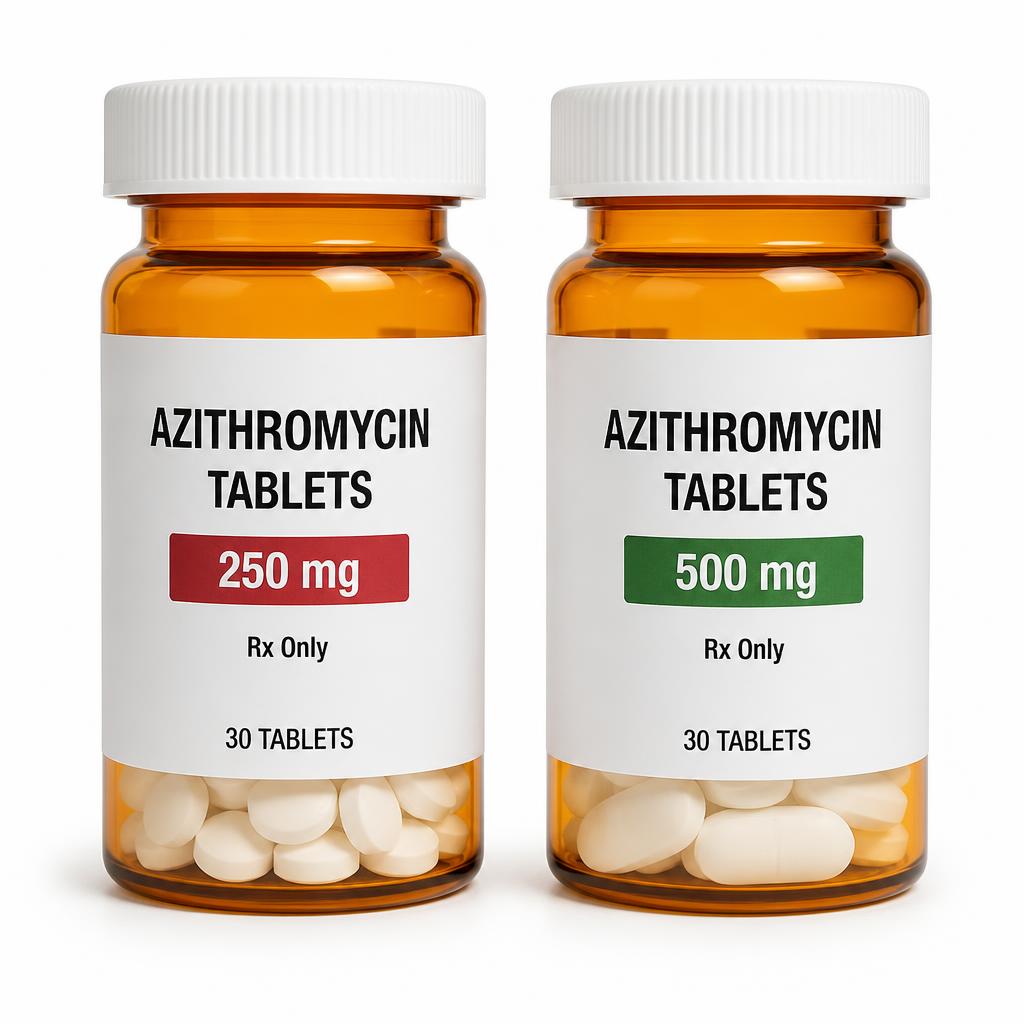
Zithromax is a macrolide antibiotic. Doctors prescribe it for community-acquired pneumonia, chlamydia, and atypical respiratory infections. It contains azithromycin. Zithromax has a 68-hour tissue half-life. It maintains therapeutic levels long after the last dose. A valid prescription is mandatory. Incorrect use drives antibiotic resistance.
Zithromax covers atypical bacteria including Mycoplasma, Chlamydia, and Legionella. These organisms lack cell walls. They resist beta-lactam antibiotics. Patients must complete the full prescribed course even if symptoms improve by day three. Stopping early allows resistant bacteria to survive and multiply.
What Is Zithromax
Zithromax contains azithromycin. The FDA approved it in 1991. It works by binding to the 50S ribosomal subunit of bacteria. This blocks protein synthesis. It stops bacterial growth. Zithromax is bacteriostatic at standard doses. It is bactericidal at higher concentrations.
Doctors prescribe Zithromax for specific bacterial infections. It is not effective for viral illnesses. Colds, influenza, and COVID-19 do not respond to Zithromax. Patients often confuse Zithromax with amoxicillin or doxycycline. Zithromax has a different mechanism and different coverage.
How Zithromax Works
Zithromax accumulates in tissues at concentrations 10 to 100 times higher than blood levels. This tissue penetration makes Zithromax effective for lung infections, sinusitis, and genital tract infections. Zithromax concentrates inside white blood cells. These cells transport it directly to infection sites.
Key pharmacological properties:
- Long half-life: 68 hours in tissue, allowing short courses
- Acid stability: better than erythromycin, fewer stomach side effects
- Once-daily dosing: convenient for outpatient therapy
- High tissue penetration: effective for atypical pathogens
Zithromax vs Erythromycin
Both drugs belong to the macrolide class. Erythromycin requires four daily doses. It causes more nausea and stomach cramps. Zithromax needs once-daily dosing. It has fewer gastrointestinal side effects. Erythromycin is a strong CYP3A4 inhibitor. It has numerous drug interactions. Zithromax has minimal CYP3A4 effects. Doctors prefer Zithromax for most outpatient infections because of convenience and tolerability.
Conditions Treated by Zithromax
Doctors prescribe Zithromax for a range of bacterial infections. Patients researching treatment options often have one of the following diagnoses:
- Community-acquired pneumonia: standard outpatient therapy for mild to moderate cases
- Chlamydia trachomatis: single 1-gram dose for uncomplicated genital infection
- Atypical respiratory infections: Mycoplasma pneumoniae, Chlamydophila pneumoniae, Legionella pneumophila
- Acute bacterial sinusitis: when amoxicillin-clavulanate is inappropriate or failed
- Streptococcal pharyngitis: alternative for penicillin-allergic patients
- Skin and soft tissue infections: some atypical mycobacterial infections
Zithromax is not first-line for uncomplicated sinusitis or acute bronchitis. Most cases are viral and self-limited. Current guidelines recommend watchful waiting or amoxicillin-clavulanate for bacterial cases. Macrolide resistance in Streptococcus pneumoniae exceeds 20 percent in many U.S. regions.
Zithromax Dosage and Strengths
Available Forms
Zithromax is manufactured in several forms. Your doctor will select the appropriate form based on your infection, age, and weight.
- 250mg tablets: used for Z-Pak and Tri-Pak courses
- 500mg tablets: used for Z-Pak day one and severe infections
- 600mg tablets: used for Mycobacterium avium complex prophylaxis
- 1-gram packet: single-dose powder for chlamydia treatment
- 100mg/5ml and 200mg/5ml suspension: liquid form for children
Standard Adult Dosing
Dosing depends on the infection being treated. For community-acquired pneumonia, doctors typically prescribe 500mg on day one, then 250mg daily for days two through five. This is the Z-Pak. For more severe infections, the Tri-Pak provides 500mg daily for three days. For chlamydia, a single 1-gram dose is standard.
Always take Zithromax exactly as prescribed. Do not skip doses. Skipping allows bacteria to recover and develop resistance. Do not save leftover tablets for future use. Do not share your medication with family members.
Pediatric Dosing
Children receive azithromycin based on body weight. The typical dose is 10mg per kilogram on day one, then 5mg per kilogram on days two through five. The liquid suspension allows precise dosing. Never use adult tablets for young children. Overdose can cause severe vomiting and diarrhea. Parents should measure liquid doses with an oral syringe, not a household spoon.
Missed Dose Instructions
If you miss a dose, take it as soon as you remember unless it is nearly time for your next scheduled dose. In that case, skip the missed dose and resume your normal schedule. Never double the dose to catch up. Doubling increases the risk of nausea and diarrhea. If you miss multiple doses, contact your doctor. You may need to restart the course.
Side Effects
Common Side Effects
Most patients experience at least one mild side effect during treatment. These usually resolve after completing the course:
- Nausea and diarrhea – 5 to 8 percent of patients
- Abdominal pain and cramping – usually mild and transient
- Metallic or bitter taste – more common than recognized
- Headache – generally mild
- Vaginal yeast infection – due to disruption of normal flora
Serious Side Effects
Contact emergency medical services immediately if you experience:
- Difficulty breathing or facial swelling – possible anaphylaxis
- Chest palpitations or irregular heartbeat – possible QT-related arrhythmia
- Severe watery diarrhea with blood or mucus – possible C. difficile infection
- Yellowing of skin or eyes, dark urine – possible liver damage
- Severe skin rash with blistering or peeling – possible Stevens-Johnson syndrome
Long-term or repeated courses increase the risk of antibiotic resistance and C. difficile colitis. Doctors reserve prolonged therapy for specific indications like Mycobacterium avium complex prophylaxis.
Who Should Not Take Zithromax
Zithromax is contraindicated in patients with a history of anaphylaxis to azithromycin, erythromycin, or clarithromycin. It should not be used by individuals with known long QT syndrome, history of torsades de pointes, or significant arrhythmias. Those with severe hepatic impairment require caution because Zithromax is metabolized in the liver.
Patients with myasthenia gravis should avoid Zithromax. It can worsen muscle weakness. Those with a history of C. difficile infection should use any antibiotic cautiously. Report watery diarrhea, abdominal cramping, or fever during or after a course.
Warnings and Precautions
Heart Rhythm Risks
Zithromax can prolong the QT interval on EKG. This increases the risk of torsades de pointes. It is a serious arrhythmia. The risk is small in healthy adults at standard doses. It increases substantially in patients with pre-existing heart conditions, low potassium or magnesium, or concurrent use of other QT-prolonging drugs.
Common QT-prolonging drugs include haloperidol, ziprasidone, amiodarone, sotalol, citalopram, levofloxacin, and moxifloxacin. Patients on multiple medications should have a pharmacist review before starting Zithromax. If you have a known cardiac arrhythmia, long QT syndrome, or take a QT-prolonging medication, tell your prescriber explicitly. Alternative antibiotics exist for most indications.
Report chest palpitations, dizziness, or fainting during treatment immediately. Stop Zithromax and seek emergency care if you experience rapid or irregular heartbeat.
Antibiotic Resistance
Incorrect use of Zithromax drives antibiotic resistance. Never use Zithromax for viral infections. Complete the full course even if symptoms improve. Do not save leftover tablets. Do not share Zithromax with others.
Drug Interactions
Zithromax interacts with several medications. Always provide your doctor with a complete list of prescriptions, supplements, and over-the-counter drugs.
- Antacids containing aluminum or magnesium: reduce absorption if taken simultaneously. Separate by at least 2 hours.
- Warfarin: INR may rise during concurrent use. Monitoring recommended.
- Digoxin: levels may increase. Monitor for toxicity symptoms.
- Colchicine: contraindicated due to severe toxicity risk.
- Nelfinavir: increases azithromycin levels. Dose adjustment may be needed.
- Other QT-prolonging drugs: combined use increases cardiac arrhythmia risk.
Zithromax and Pregnancy
Zithromax is FDA Category B. Animal studies have not shown fetal harm, but human data is limited. Zithromax crosses the placenta. Most prescribers prefer erythromycin or amoxicillin for first-line treatment in pregnancy when possible. Use the lowest effective dose for the shortest possible time.
Azithromycin passes into breast milk in small amounts. It is generally considered safe during breastfeeding. Infant diarrhea and oral thrush have been reported but are rare. Consult your obstetrician before starting any antibiotic during pregnancy or lactation.
Overdose Information
Overdose symptoms include severe nausea, vomiting, diarrhea, abdominal pain, hearing loss, and liver damage. Very high doses may cause irregular heartbeat due to QT prolongation. An overdose requires immediate emergency medical attention. Do not induce vomiting unless instructed by poison control.
Chronic overdose from prolonged high-dose therapy causes persistent diarrhea, hearing problems, and antibiotic resistance. Treatment involves supportive care and discontinuation of Zithromax. There is no specific antidote for azithromycin overdose.
Zithromax for Pets
Veterinarians sometimes prescribe azithromycin for dogs and cats. It treats bacterial skin infections, upper respiratory infections, and Bartonella henselae in cats. Veterinary dosing differs from human dosing. It is calculated by body weight.
Pet owners should never give human Zithromax to animals without veterinary guidance. Human tablets contain binders and coatings that may harm animals. Incorrect dosing causes vomiting, diarrhea, and antibiotic resistance in pets. Veterinary formulations are not commercially available. Compounding pharmacies prepare pet-specific doses under veterinary order.
How to Obtain Zithromax
Zithromax is available at licensed pharmacies with a valid prescription. Patients can fill prescriptions at local retail pharmacies, hospital pharmacies, or verified online pharmacies. Verify that any pharmacy requires a prescription and displays state licensure.
Legitimate online pharmacies display accreditation from the National Association of Boards of Pharmacy or equivalent state regulatory bodies. Avoid websites offering Zithromax without requiring a prescription or at prices significantly below market rates. These sources often sell counterfeit, expired, or incorrectly dosed medication. Any website advertising Zithromax at prices significantly below market rates should be treated with suspicion.
For children requiring liquid suspension, most pharmacies compound the medication on-site. The suspension requires refrigeration and expires after 10 days. Never use outdated liquid Zithromax. Shake the bottle well before each dose. Dispose of unused medication through pharmacy take-back programs.
Storage and Handling
Store Zithromax tablets at room temperature between 20C and 25C. Keep the container tightly closed and away from moisture, heat, and direct light. Do not store in the bathroom. Keep out of reach of children and pets.
Liquid suspension must be refrigerated immediately after mixing. Discard after 10 days. Zithromax degrades after expiration. Do not use outdated liquid. Shake the bottle well before each dose. Dispose of unused medication through pharmacy take-back programs. Do not flush Zithromax unless instructed by local guidelines.
Frequently Asked Questions
Is Zithromax available over the counter?
No. Zithromax requires a prescription in the United States, Canada, United Kingdom, and most other countries. It is not available over the counter because improper use drives antibiotic resistance and can mask serious underlying conditions. Any source dispensing Zithromax without a valid prescription is operating illegally.
What is the typical adult dosage for Zithromax?
The Z-Pak is 500mg on day one, then 250mg daily for days two through five. The Tri-Pak is 500mg daily for three days. For chlamydia, a single 1-gram dose is standard. Children receive weight-based dosing as liquid suspension. Never self-dose. Exact dosing depends on infection type, age, and weight.
Should I finish the Z-Pak if I feel better by day three?
Yes. Stopping at day three leaves residual bacteria that may not be cleared and selects for resistant survivors. The remaining two days are not optional. They are part of the efficacy window built into the 5-day course design. The 68-hour tissue half-life maintains drug activity, but only if the initial loading dose and early days achieve adequate bacterial killing.
Can Zithromax cause heart problems?
Zithromax can prolong the QT interval on EKG. This increases the risk of a serious arrhythmia called torsades de pointes. The risk is small in healthy adults but increases with other QT-prolonging drugs, known heart conditions, or low potassium. Report chest palpitations or dizziness during treatment immediately.
Is Zithromax good for sinus infections?
Current guidelines recommend watchful waiting for mild sinusitis because most cases are viral. When bacterial sinusitis is confirmed, amoxicillin-clavulanate is often preferred due to better coverage and local macrolide resistance. Zithromax is appropriate only when first-line options fail or are contraindicated.
Can you drink alcohol while taking Zithromax?
No absolute prohibition exists. Zithromax does not have a disulfiram-like reaction with alcohol. However, alcohol worsens fatigue and nausea during infections and disrupts sleep needed for recovery. Moderation is reasonable. Heavy drinking while treating infection is counterproductive. Both are metabolized by the liver, so binge drinking adds unnecessary strain.
What are the most common side effects of Zithromax?
Nausea, diarrhea, abdominal pain, and metallic taste are most common Zithromax side effects. Serious side effects include QT-related arrhythmia, liver damage, severe allergic reaction, and C. difficile colitis. Report chest palpitations, yellowing of the skin, or severe watery diarrhea during a course immediately.
How much does generic Zithromax cost without insurance?
Generic azithromycin cost without insurance typically ranges from 8 to 18 dollars for a 5-day Z-Pak, depending on pharmacy and location. The 3-day Tri-Pak runs 7 to 16 dollars. The single 1-gram dose for chlamydia is similarly low-cost. Brand-name Zithromax costs significantly more than generic azithromycin. Discount cards reduce out-of-pocket costs.
Can Zithromax treat COVID-19?
No. Zithromax is ineffective against viruses including SARS-CoV-2. COVID-19 is caused by a virus, not bacteria. Taking antibiotics for viral infections wastes the drug, harms beneficial gut bacteria, and contributes to resistance. COVID-19 requires antiviral treatment or supportive care. Zithromax is only appropriate if a bacterial co-infection is diagnosed by a physician.
What happens if you miss a dose of Zithromax?
Take the missed dose as soon as you remember unless it is nearly time for your next dose. In that case, skip the missed dose and resume your normal schedule. Never double the dose. Doubling increases the risk of nausea and diarrhea. If you miss multiple doses, contact your doctor. You may need to restart the course.
Questions about your Zithromax prescription? Email us at [email protected]. We read every message. Response time is typically one business day. We do not provide medical advice by email. For emergencies, call 911.
Editorial Standards: Content is medically reviewed by the VippHealth Pharmacy Advisory Board, a team of licensed pharmacists and healthcare professionals. Last medically reviewed and updated on July 16, 2026. We regularly update this page to reflect the latest FDA guidelines, CDC resistance data, and clinical research on macrolide antibiotics.
Important Medical Disclaimer
This guide provides educational content only. It does not replace medical advice. Talk to your doctor before starting, stopping or changing Zithromax. Do not use this site to diagnose or treat any condition. Zithromax can cause dangerous heart rhythm problems in patients with QT prolongation or concurrent QT-prolonging drugs.
Emergency Notice: If you experience chest palpitations, rapid heartbeat, severe skin rash with blistering, or bloody diarrhea after taking Zithromax, stop the medication immediately and seek emergency care. For suspected overdose, contact Poison Control at 1-800-222-1222 or call 911.