
INDEPENDENTLY REVIEWED – Last updated:
Reviewed by VippHealth Research Team. About our editorial process
Melatonin
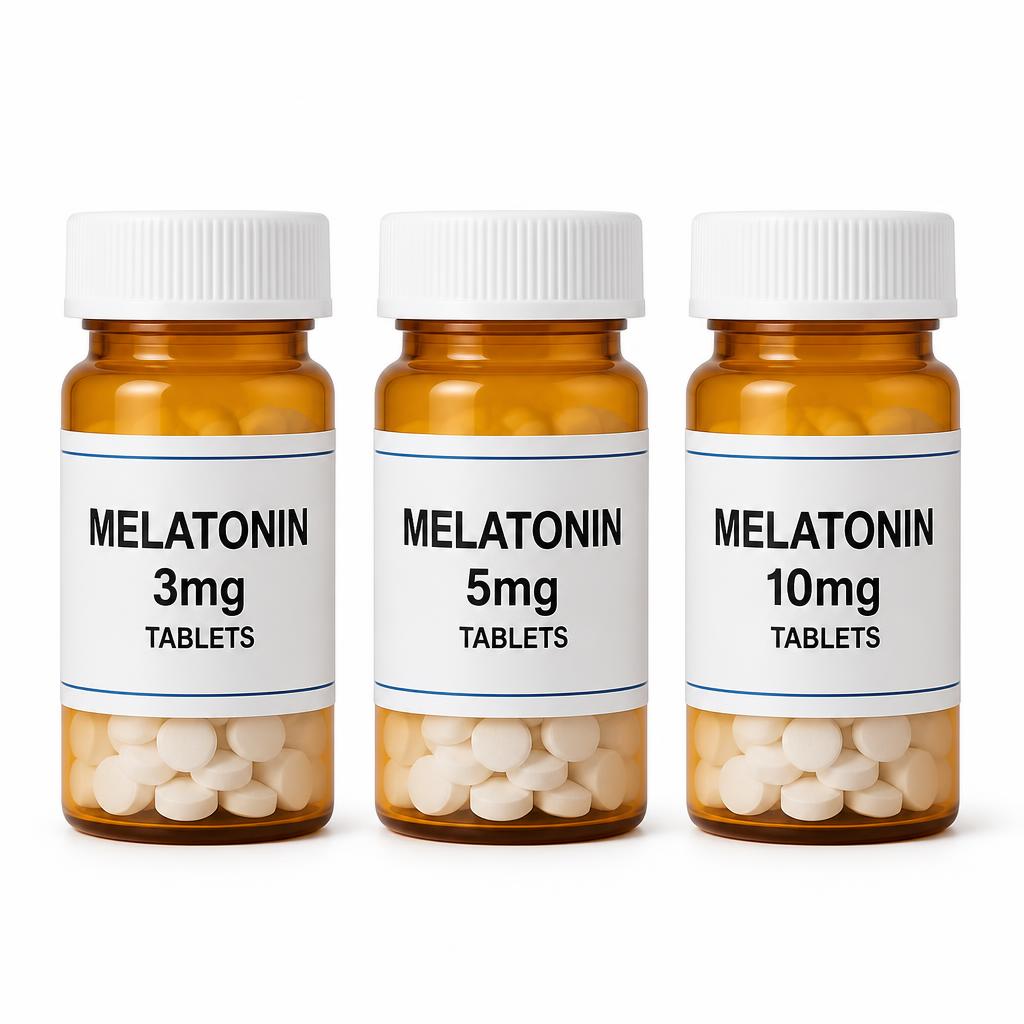
Melatonin is a hormone your brain produces in response to darkness. It helps regulate the sleep-wake cycle. Supplement makers sell melatonin in tablets, gummies, liquid drops and time-release capsules. Doses range from 300 micrograms to 10 milligrams. Melatonin is available over the counter in the United States.
Unlike prescription sleep aids, melatonin does not force sedation. It signals your body that night has arrived. Most users feel effects within 30 to 60 minutes. The supplement works best for circadian rhythm disruption. Jet lag, shift work and delayed sleep phase respond well. Consumers buying melatonin online should verify the dose matches the label. Look for USP verified products.
What Is Melatonin
Melatonin is a neurohormone produced by the pineal gland. The gland sits deep in the brain. It releases melatonin when light levels drop. Blue light from phones and screens suppresses this release. This is why late-night device use disrupts sleep.
Supplement manufacturers synthesize melatonin in labs. Most products use pure melatonin. Some add magnesium, L-theanine or chamomile. These blends target relaxation. Standardized melatonin provides predictable dosing. Raw formulations vary in potency. Choose single-ingredient melatonin if you want precise control.
How Melatonin Affects Sleep
Melatonin binds to MT1 and MT2 receptors in the brain. These receptors control the timing of sleep. MT1 receptors reduce alertness. MT2 receptors shift the internal clock. Together they promote sleep onset without causing morning grogginess.
Key mechanisms:
- Circadian signaling: Mimics natural darkness cues. Tells the brain to prepare for rest.
- Core temperature drop: Supports the natural evening decline in body heat needed for sleep.
- Cortisol reduction: Lowers evening stress hormone levels by 10 to 15 percent.
- REM support: May increase time spent in REM sleep at doses under 3mg.
Melatonin Dosage and Strengths
Available Forms
Manufacturers produce melatonin in several formats. Your choice depends on onset speed and convenience.
- Immediate-release tablets 1mg to 5mg: Standard option. Effects start in 30 to 45 minutes.
- Time-release tablets 5mg to 10mg: Release melatonin gradually over 6 to 8 hours. Helps with staying asleep.
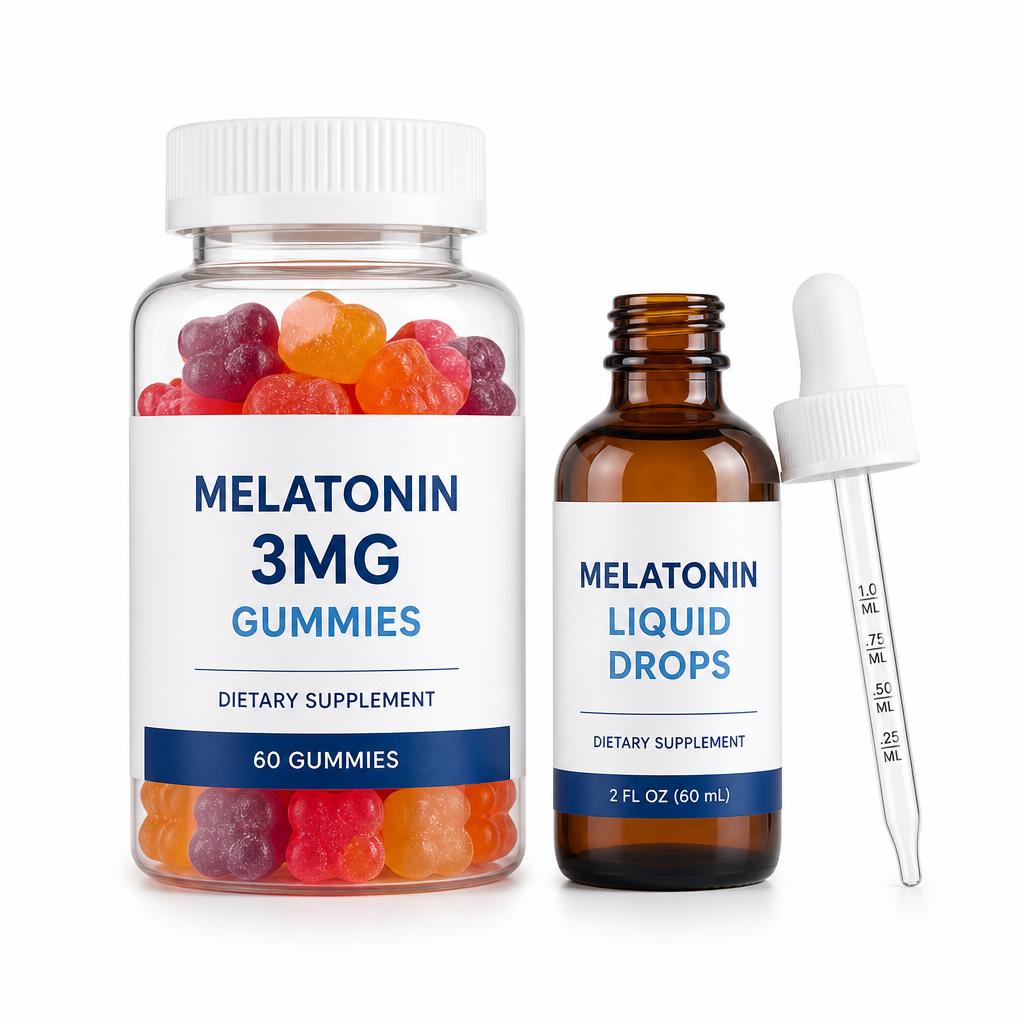
- Gummies 1mg to 5mg: Easy to chew. Popular with adults who dislike pills. Sugar content varies.
- Liquid drops 1mg per ml: Flexible dosing. Ideal for precise microdosing. Faster absorption.
- Sublingual tablets 1mg to 3mg: Dissolve under the tongue. Bypasses digestion. Onset in 15 to 25 minutes.
Standard Adult Dosing
For jet lag, take 0.5mg to 3mg at the destination bedtime. Start the first night of travel. Continue for 2 to 5 days. For shift work, take 1mg to 3mg 30 minutes before the desired sleep time. For general sleep support, 1mg to 5mg 30 to 60 minutes before bed works for most adults.
Do not exceed 10mg daily without medical supervision. Higher doses do not improve sleep quality. They increase next-day drowsiness. Start with the lowest effective dose. Increase by 0.5mg every 3 days if needed. Older adults metabolize melatonin slower. They may need only 0.3mg to 1mg.
Missed Dose Instructions
Take the missed dose if you are still planning to sleep for at least 5 hours. Skip it if less than 5 hours remain before waking. Do not double the dose. Doubling increases morning grogginess and vivid dreams. Resume the normal schedule the next evening.
2026 Melatonin Price Comparison
Prices below reflect melatonin costs at major US retailers. Actual prices vary by location and promotions.
*Prices verified July 2026. Generic tablets cost 50 to 70 percent less than gummies per milligram. Subscription services reduce prices by an additional 5 to 10 percent.
Monthly Savings: Gummies vs Tablets
Brand Gummies (60 count)
$12.00
Generic Tablets (120 count)
$4.88
Your Monthly Savings
$7.12
Melatonin vs Magnesium for Sleep
Melatonin and magnesium both support sleep. They work through different pathways. Melatonin regulates the internal clock. Magnesium relaxes muscles and calms the nervous system.
Choose melatonin for jet lag, shift work and delayed sleep phase. Choose magnesium for muscle tension, restless legs and stress-related wakefulness. Some users combine both. Take magnesium in the evening. Take melatonin 30 minutes before bed. Do not combine without testing each supplement separately first.
Melatonin acts faster. Effects appear in 30 to 60 minutes. Magnesium builds up over days. Both are non-habit forming. Both are available over the counter. Neither provides the forced sedation of prescription sleep aids.
Side Effects
Common Side Effects
Most users tolerate melatonin well. Mild effects usually resolve within 3 days:
- Morning drowsiness or grogginess
- Vivid dreams or nightmares
- Headache upon waking
- Dizziness
- Nausea at doses above 5mg
Serious Side Effects
Stop taking melatonin and contact a doctor if you experience:
- Severe allergic reaction: difficulty breathing, hives, facial swelling
- Depression or suicidal thoughts
- Confusion or disorientation
- Severe next-day impairment affecting driving
- Seizures
Who Should Not Take Melatonin
Melatonin is not recommended for pregnant or breastfeeding women. Safety data is insufficient. Do not use if you have an autoimmune condition unless supervised by a doctor. Melatonin stimulates immune function. This may worsen lupus or rheumatoid arthritis.
Do not give to children under 3 years. Pediatric dosing requires medical guidance. Stop use 2 weeks before surgery. Melatonin may interact with anesthesia. Do not drive after taking melatonin until you know your response.
Warnings and Precautions
Morning Drowsiness
Melatonin can cause next-day sleepiness. This risk increases at doses above 3mg. Do not operate vehicles or machinery within 5 hours of taking melatonin. Wait until you feel fully alert.
Driving and Machinery
Even low doses impair reaction time in some users. Do not take melatonin before driving. Do not mix with other sedating substances. Test your response on a non-work day first.
Alcohol Use
Avoid alcohol within 3 hours of melatonin. Alcohol fragments sleep architecture. It reduces melatonin effectiveness. The combination increases next-day grogginess.
Drug Interactions
Melatonin interacts with several medication classes. Always provide your doctor with a complete list.
- Blood thinners (warfarin, aspirin): Melatonin may increase bleeding risk. Monitor INR.
- Immunosuppressants: Melatonin stimulates immunity. Reduces drug effectiveness.
- Blood pressure drugs: May enhance hypotensive effect. Monitor pressure.
- Diabetes medications: May affect blood sugar levels. Monitor glucose.
- Benzodiazepines and sedatives: Additive CNS depression. Increases next-day impairment.
- Birth control pills: May increase melatonin levels. Reduce dose if needed.
Melatonin and Pregnancy
Melatonin is not proven safe during pregnancy. Animal studies show mixed results. Human data is limited. Avoid use during conception, pregnancy and breastfeeding. The hormone crosses the placenta. It passes into breast milk.
Overdose Information
Overdose symptoms include severe drowsiness, confusion, headache, low blood pressure and irritability. There is no established lethal dose. Treatment is supportive. Hydration and rest. Contact poison control if you exceed 20mg in a single dose. Do not induce vomiting.
How to Obtain Melatonin
Melatonin is available over the counter at pharmacies, grocery stores and online retailers. Major sellers include Amazon, Walmart, CVS, iHerb and Target. Look for USP verified or NSF certified products. Verify the dose per serving. Some gummies list melatonin per gummy. Others list per serving of two gummies.
Avoid products with undisclosed proprietary blends. Choose single-ingredient melatonin for precise dosing. Check expiration dates. Melatonin degrades after 2 years. Store in original packaging. Keep away from heat and light.
Storage and Handling
Store melatonin at room temperature between 20C and 25C. Keep away from moisture and direct sunlight. Do not store in the bathroom. Keep out of reach of children. Gummies may melt in heat. Discard expired products. Do not use if the seal is broken.
Frequently Asked Questions
Is melatonin FDA approved?
No. The FDA does not approve dietary supplements before sale. Manufacturers must ensure safety and accurate labeling. The FDA monitors adverse events after products reach the market.
How fast does melatonin work?
Immediate-release melatonin works in 30 to 60 minutes. Sublingual forms work in 15 to 25 minutes. Time-release forms take longer but last through the night. Take melatonin 30 minutes before your target bedtime.
Can you take melatonin every night?
Yes. Short-term nightly use is safe for most adults. Long-term use beyond 3 months requires medical supervision. Take breaks every 12 weeks. This prevents tolerance and allows your natural rhythm to reset.
What is the difference between melatonin gummies and tablets?
Tablets offer precise dosing and lower cost. Gummies taste better but contain sugar. Gummies may melt in heat. Tablets absorb through the stomach. Gummies absorb partly through the mouth. Both work within 30 to 60 minutes. Choose tablets for budget and accuracy. Choose gummies for convenience.
Does melatonin cause weight gain?
No. Melatonin does not cause weight gain. Some studies suggest it supports metabolic health. It is not a weight loss supplement. Focus on sleep quality. Poor sleep increases appetite hormones.
Can you drink alcohol with melatonin?
Avoid alcohol within 3 hours of melatonin. Alcohol fragments sleep. It reduces melatonin effectiveness. The combination increases next-day grogginess. It may cause vivid dreams and headaches.
Is melatonin safe for long-term use?
Studies show safety up to 3 months at 5mg daily. Long-term data beyond 3 months is limited. Take a 2-week break every 12 weeks. Consult your doctor before extending use. Monitor for mood changes and morning drowsiness.
How much does melatonin cost?
Generic melatonin tablets cost 1 to 3 dollars per month. Gummies cost 7 to 12 dollars per month. Liquid drops cost 5 to 8 dollars per month. Time-release formulas cost 8 to 15 dollars per month. Subscription services reduce prices by 5 to 10 percent.
Where can I buy melatonin?
Buy melatonin at Amazon, Walmart, CVS, iHerb and Target. Choose USP verified or NSF certified products. Verify the dose per serving. Avoid proprietary blends with undisclosed amounts. Check expiration dates before purchase.
Can melatonin replace sleep medication?
No. Melatonin supports sleep onset. It does not address chronic insomnia disorders. Do not stop doctor-prescribed treatment without consulting your doctor. Use melatonin as a complement, not a replacement.
Questions About Melatonin?
Our team answers questions about melatonin dosing, gummies vs tablets and sleep timing. We do not sell supplements.
Email Support