
OVER THE COUNTER – Last updated:
Reviewed by VippHealth Research Team. About our editorial process
Tylenol
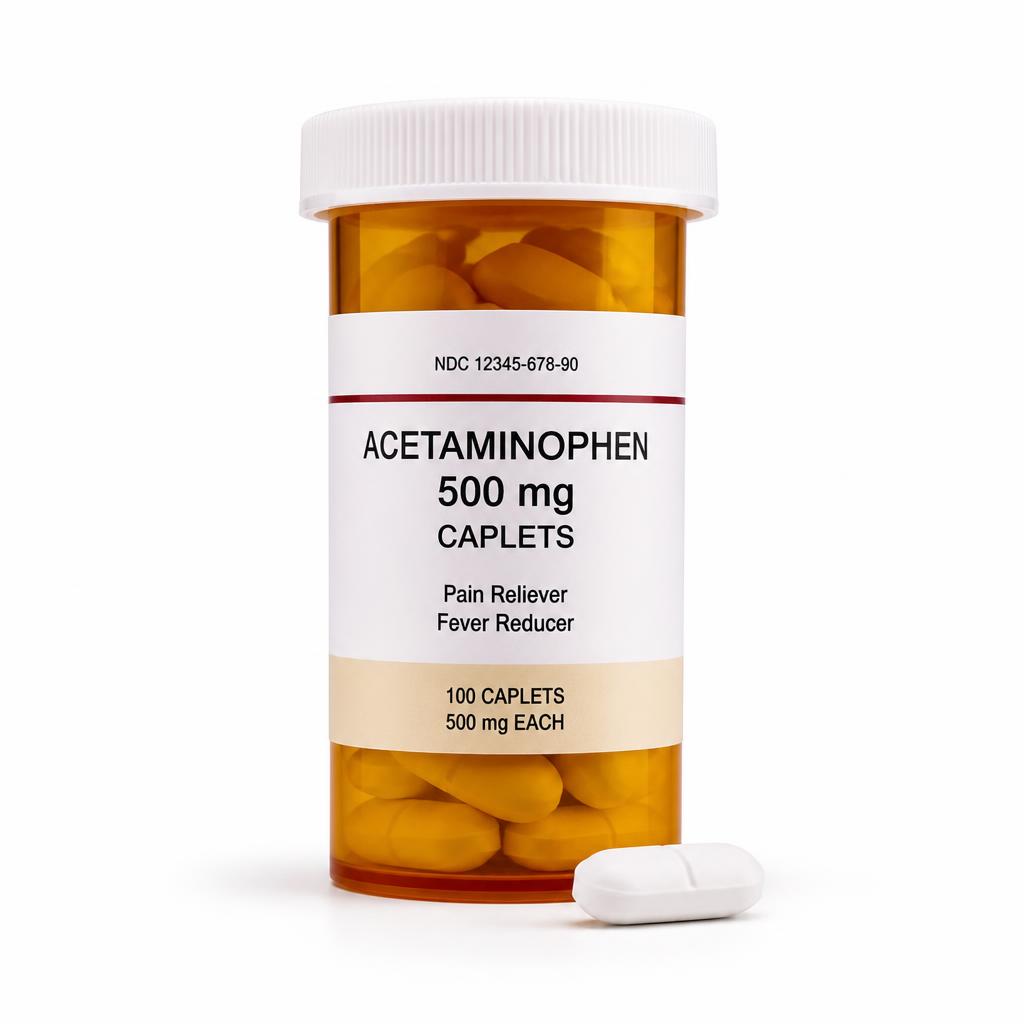
Tylenol is the brand name for acetaminophen. It reduces fever and eases mild to moderate pain. The active ingredient works in the brain. It blocks pain signals and lowers body temperature. Tylenol is available over the counter. It does not require a doctor’s order.
Unlike ibuprofen or naproxen, Tylenol does not reduce inflammation. It does not irritate the stomach lining. This makes it a safer choice for people with acid reflux or ulcers. Tylenol Extra Strength contains 500mg per caplet. The maximum daily dose for adults is 3000mg. Exceeding this amount damages the liver. Consumers buying Tylenol online should verify the strength and count per bottle.
What Is Tylenol
Tylenol contains acetaminophen. It is an analgesic and antipyretic. The drug was first synthesized in 1877. It became widely available in the United States in the 1950s. Today it is the most commonly used pain reliever in America.
Acetaminophen works differently from NSAIDs like ibuprofen and aspirin. It does not inhibit prostaglandins in the peripheral nervous system. Instead it acts on the central nervous system. It raises the pain threshold and acts on the hypothalamus to reduce fever. Tylenol is available in tablets, caplets, gelcaps, liquid suspension and dissolving powders.
How Tylenol Works
Acetaminophen blocks the reuptake of anandamide. This is a natural pain regulator in the brain. It also inhibits the COX enzyme in the central nervous system. This dual action reduces the perception of pain. It also resets the body’s thermostat in the hypothalamus.
Key mechanisms:
- Central analgesia: Raises the pain threshold in the brain and spinal cord.
- Antipyretic action: Blocks fever signals in the hypothalamus. Lowers body temperature.
- No peripheral anti-inflammatory effect: Does not reduce swelling at the injury site.
- Gentle on the stomach: Does not inhibit prostaglandins in the gut lining.
Pain Types Tylenol Supports
Tylenol helps with mild to moderate pain. It does not address inflammation. It works best for conditions where swelling is not the primary issue.
- Headache and migraine: First-line choice for tension headaches.
- Fever reduction: Safe for adults and children over 2 months.
- Muscle aches without swelling: General soreness from minor strain.
- Menstrual cramps: Effective for cramping without heavy bleeding.
- Toothache: Temporary relief until dental care.
- Arthritis discomfort: Helps with osteoarthritis pain when inflammation is minimal.
Tylenol Dosage and Strengths
Available Forms
Tylenol comes in several strengths and formats. Choose based on age, weight and the type of pain.
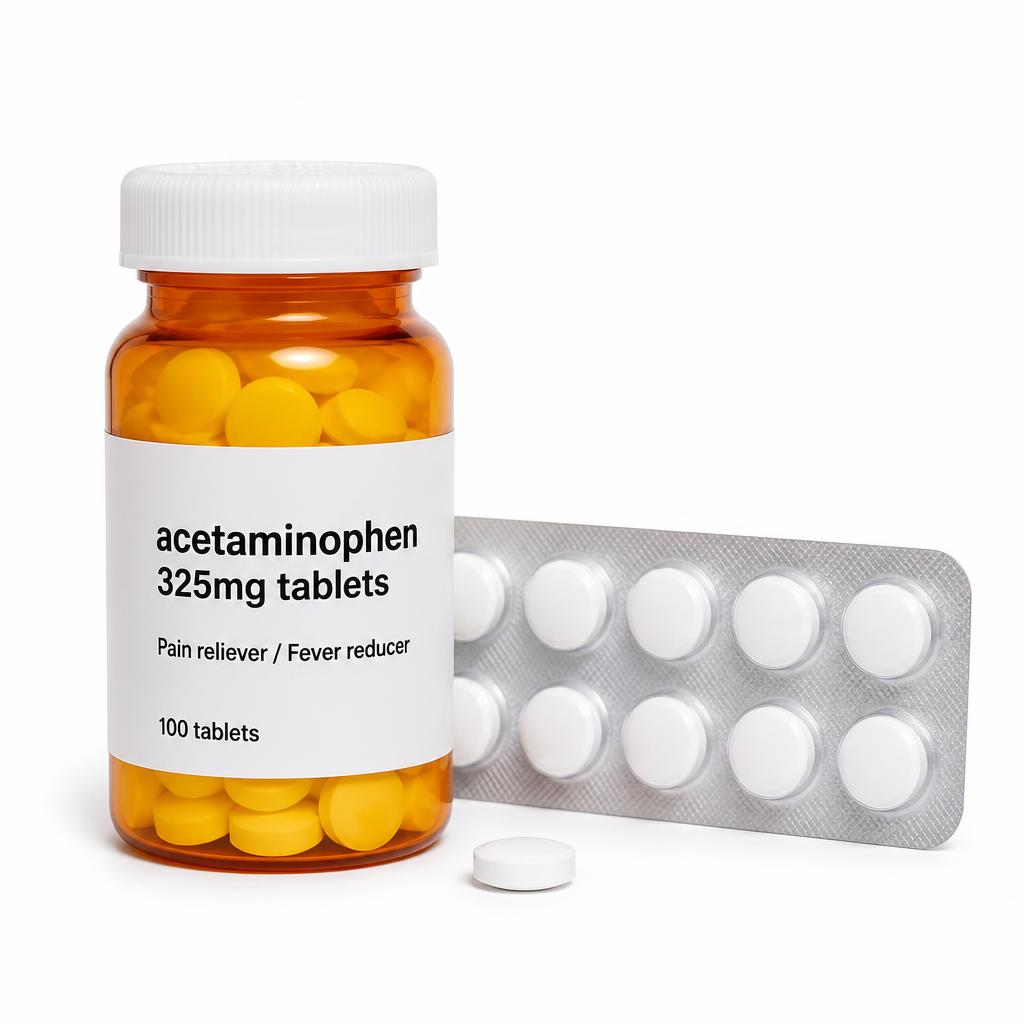
- Regular Strength 325mg tablets: Take 1 to 2 tablets every 4 to 6 hours. Max 10 tablets per day.
- Extra Strength 500mg caplets: Take 1 to 2 caplets every 6 hours. Max 6 caplets per day.
- Arthritis Pain 650mg extended-release: Take 1 to 2 tablets every 8 hours. Max 6 tablets per day.
- Children’s Liquid 160mg/5ml: Dosed by weight. Use the included syringe.
- Infant Drops 80mg/0.8ml: Concentrated formula. Requires precise measurement.
Standard Adult Dosing
For adults and children over 12, the standard dose is 325mg to 1000mg every 4 to 6 hours. Do not exceed 3000mg in 24 hours unless directed by a doctor. Some labels allow 4000mg under medical supervision. The FDA recommends 3000mg as the safer daily ceiling.
Take with water. Food is optional. Taking with food reduces nausea in sensitive users. Do not combine with other products containing acetaminophen. Many cold and flu medicines hide acetaminophen. Read every label.
Missed Dose Instructions
Take the missed dose when you remember if pain or fever persists. Skip it if the next scheduled dose is within 2 hours. Do not double the dose. Doubling increases liver toxicity risk without improving pain relief. Resume the normal schedule.
2026 Acetaminophen Price Comparison
Prices below reflect Tylenol and generic acetaminophen costs at major US retailers. Actual prices vary by location and promotions.
*Prices verified July 2026. Generic acetaminophen costs 60 to 70 percent less than brand Tylenol. Bulk packs reduce per-tablet costs by an additional 30 to 40 percent.
Monthly Savings: Brand vs Generic
Tylenol Extra Strength (100 count)
$10.49
Kirkland Generic (500 count)
$9.99
Your Monthly Savings
$42.46
Tylenol vs Advil
Tylenol and Advil are the two most popular over-the-counter pain relievers in the United States. They work through different pathways. They suit different types of pain.
Tylenol helps with fever and pain without inflammation. It is gentle on the stomach. It is safe for most people with acid reflux. Advil contains ibuprofen. It reduces inflammation. It works better for muscle sprains, arthritis flares and menstrual cramps with heavy flow. Advil can irritate the stomach lining. It increases bleeding risk.
Choose Tylenol for headache, fever and general aches when you need stomach protection. Choose Advil for swollen joints, muscle tears and inflammatory pain. Do not take both together without medical guidance. Alternating them requires strict timing to avoid overdose.
Side Effects
Common Side Effects
Most users tolerate Tylenol well. Mild effects usually resolve within 24 hours:
- Nausea or stomach upset
- Headache
- Insomnia at high doses
- Constipation
- Itching or mild rash
Serious Side Effects
Stop taking Tylenol and seek emergency care if you experience:
- Severe allergic reaction: difficulty breathing, hives, facial swelling
- Signs of liver damage: yellowing skin, dark urine, severe abdominal pain
- Confusion or excessive sweating
- Easy bruising or bleeding
- Severe skin rash with blistering or peeling
Who Should Not Use Tylenol
Do not use Tylenol if you have severe liver disease or active hepatitis. Do not use if you have a known allergy to acetaminophen. People who consume three or more alcoholic drinks daily should avoid Tylenol. Alcohol combined with acetaminophen accelerates liver damage.
Patients with Gilbert syndrome or other bilirubin metabolism disorders should consult a doctor. Malnourished individuals and fasting patients have reduced glutathione stores. This increases liver toxicity risk. Do not use Tylenol during alcohol withdrawal without medical supervision.
Warnings and Precautions
Liver Safety
Acetaminophen overdose is the leading cause of acute liver failure in the United States. The toxic dose is 4000mg in 24 hours for healthy adults. Lower thresholds apply to those with liver disease, alcohol use or malnutrition. Never exceed 3000mg without medical supervision.
Alcohol Use
Avoid alcohol while taking Tylenol. Even moderate drinking increases liver stress. The combination produces a toxic metabolite called NAPQI. The liver cannot neutralize it fast enough. This causes cell death. Wait at least 24 hours after drinking before taking Tylenol.
Hidden Acetaminophen
Many cold, flu and allergy products contain acetaminophen. NyQuil, DayQuil, Theraflu and Coricidin all include it. Read every label. Do not stack products. Use a single acetaminophen source per day. Track your total intake with a notepad or phone app.
Drug Interactions
Tylenol interacts with several medications. Always provide your doctor with a complete list.
- Warfarin: High-dose acetaminophen may increase INR and bleeding risk. Monitor closely.
- Isoniazid: Increases risk of liver damage when combined with acetaminophen.
- Carbamazepine: Increases acetaminophen toxicity. Reduces effectiveness.
- Phenytoin: May increase liver enzyme activity. Raises toxicity risk.
- Cholestyramine: Reduces acetaminophen absorption. Take Tylenol 1 hour before or 4 hours after.
- Alcohol: Directly increases liver toxicity. Avoid completely during use.
Tylenol and Pregnancy
Tylenol is the preferred pain reliever during pregnancy. It is safer than NSAIDs in all trimesters. However, recent studies suggest a link between frequent use and developmental issues. Use the lowest effective dose. Limit use to short durations. Avoid daily use for more than 3 days without obstetric guidance.
Acetaminophen passes into breast milk in small amounts. It is considered safe during breastfeeding. Infant drowsiness has been reported but is rare. Consult your obstetrician before regular use.
Overdose Information
Overdose symptoms appear in stages. Early signs include nausea, vomiting, loss of appetite and sweating. These may resolve within 24 hours. This is the danger window. Liver damage continues even after symptoms fade.
After 24 to 72 hours, liver enzymes rise. Jaundice appears. Abdominal pain intensifies. After 72 hours, liver failure sets in. Treatment requires immediate medical care. Activated charcoal helps if given within 2 hours. N-acetylcysteine is the antidote. It works best within 8 hours of ingestion. Call poison control at 1-800-222-1222 or 911.
How to Obtain Tylenol
Tylenol is available over the counter at pharmacies, grocery stores and online retailers. Major sellers include Amazon, Walmart, Costco, CVS and Walgreens. Look for 325mg or 500mg tablets. Verify the count per bottle. Check expiration dates. Generic acetaminophen is chemically identical and costs significantly less.
Avoid sellers with broken seals or unclear labeling. Bulk 500-count packs offer the best value. Store in original packaging. Keep away from heat and moisture.
Storage and Handling
Store Tylenol at room temperature between 20C and 25C. Keep away from moisture and direct sunlight. Do not store in the bathroom. Keep out of reach of children. The sweet taste of liquid formulas attracts toddlers. Use child-resistant caps. Discard expired products. Do not use if the seal is broken.
Frequently Asked Questions
Is Tylenol available without a doctor’s order?
Yes. Tylenol is available over the counter. It does not require a doctor’s order. Both regular strength and extra strength are OTC. Prescription-strength acetaminophen combinations exist but are not discussed here.
How fast does Tylenol work?
Tylenol begins working in 30 to 45 minutes. Peak effect occurs in 1 to 2 hours. Fever reduction takes 1 to 3 hours. Liquid forms absorb faster than tablets. Food delays absorption by 15 to 30 minutes but does not reduce total effect.
Can you take Tylenol on an empty stomach?
Yes. Tylenol is gentle on the stomach. You can take it with or without food. Taking with food reduces nausea in sensitive users. Avoid alcohol completely. Alcohol increases liver toxicity even at standard doses.
What is the difference between Tylenol and Advil?
Tylenol contains acetaminophen. It reduces pain and fever. It does not reduce inflammation. It is gentle on the stomach. Advil contains ibuprofen. It reduces pain, fever and inflammation. It can irritate the stomach lining. Choose Tylenol for headache and fever. Choose Advil for swollen joints and muscle tears.
Does Tylenol cause drowsiness?
No. Tylenol does not cause drowsiness. It is not a sedative. Some users feel relaxed as pain fades. This is indirect. You can drive and operate machinery after taking Tylenol. Do not combine with alcohol or other sedating substances.
Can you drink alcohol with Tylenol?
Avoid alcohol while taking Tylenol. Even moderate drinking increases liver stress. The combination produces a toxic metabolite. This causes liver cell death. Wait at least 24 hours after drinking before taking Tylenol. Chronic alcohol users should avoid acetaminophen entirely.
Is Tylenol safe for long-term use?
Daily use beyond 10 days requires medical supervision. Long-term use at high doses damages the liver. Use the lowest effective dose. Take breaks when pain resolves. Chronic pain requires a doctor’s evaluation, not self-medication.
How much does Tylenol cost?
Brand Tylenol costs 10 to 15 cents per tablet. Generic acetaminophen costs 2 to 5 cents per tablet. Bulk 500-count packs reduce costs to 2 cents per tablet. Liquid suspension costs 8 to 12 dollars per bottle. Children’s formulations cost 5 to 8 dollars per bottle.
Where can I buy Tylenol?
Buy Tylenol at Amazon, Walmart, Costco, CVS and Walgreens. Choose 325mg or 500mg strength. Verify the count per bottle. Check expiration dates. Generic acetaminophen is available at the same retailers for lower cost. Avoid sellers with broken seals.
Can Tylenol replace stronger pain medication?
No. Tylenol helps with mild to moderate pain. It does not address severe pain, post-surgical pain or nerve pain. Do not stop doctor-prescribed treatment without consulting your doctor. Use Tylenol as directed on the label. Seek medical care for pain that persists beyond 10 days.
Questions About Tylenol?
Our team answers questions about acetaminophen dosing, liver safety and generic options. We do not sell medication.
Email Support