PRESCRIPTION REQUIRED — Last updated:
Medically reviewed by VippHealth Pharmacy Advisory Board. About our editorial process
Lasix (Furosemide)
Lasix is the brand name for furosemide, a loop diuretic first approved by the FDA in 1966. Doctors prescribe it to reduce fluid buildup (edema) caused by congestive heart failure, liver disease, and kidney disease, and also to treat high blood pressure. It is one of the most widely used diuretics in medicine, available as tablets, oral solution, and injectable forms for hospital use. A valid prescription is required.
Furosemide works by making the kidneys excrete more sodium and water. This relieves fluid overload but also removes potassium, magnesium, and other electrolytes the body needs. Most precautions around Lasix exist because of this electrolyte effect, not because furosemide itself is dangerous when properly monitored. Always consult a healthcare provider before starting or changing therapy.
What Is Lasix
Lasix (furosemide) belongs to a class called loop diuretics, named for where they act in the kidney nephron. It is chemically related to sulfonamide compounds, which matters for people with a sulfa drug allergy history.
How Lasix Works
Furosemide blocks the sodium-potassium-chloride cotransporter in the loop of Henle, a segment of the kidney filtering tubule. Blocking this transporter prevents the kidney from reabsorbing sodium and chloride, so more of both pass into the urine along with water. This produces the rapid diuretic effect Lasix is known for, often within one hour of an oral dose.
Lasix vs Other Diuretics
Furosemide is a loop diuretic, distinct from thiazide diuretics (like hydrochlorothiazide) and potassium-sparing diuretics (like spironolactone). Loop diuretics are generally more potent and faster-acting, which is why they are preferred for significant fluid overload, but they also cause more potassium loss than potassium-sparing options. Doctors sometimes combine furosemide with a potassium-sparing diuretic specifically to offset this.
Conditions Treated by Lasix
- Edema from congestive heart failure: reduces fluid buildup that causes swelling and shortness of breath.
- Edema from liver disease (cirrhosis): helps manage fluid retention associated with liver dysfunction.
- Edema from kidney disease: including nephrotic syndrome.
- Hypertension: used alone or combined with other blood pressure medications.
Only a prescriber can determine the right diuretic and dose for a specific diagnosis, since the underlying condition changes how aggressively fluid removal should be managed.
Lasix Dosage and Strengths
Available Forms
Furosemide is available in multiple forms depending on the clinical setting.
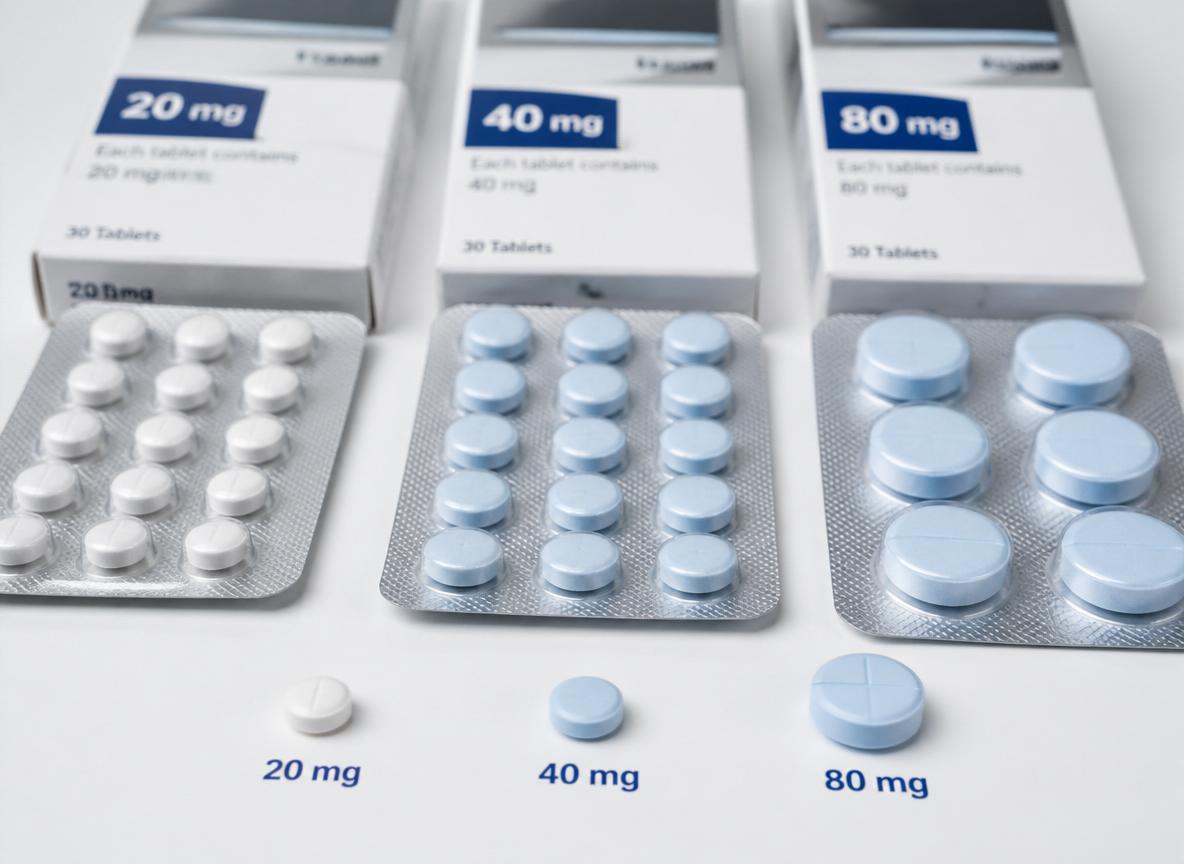
- 20 mg, 40 mg, 80 mg tablets: the most common outpatient strengths.
- Oral solution: used for patients who have difficulty swallowing tablets.
- Subcutaneous and intravenous forms: used in hospital or urgent settings for faster fluid removal.
Standard Adult Dosing
Dosing is individualized based on the condition, kidney function, and how the patient responds. Oral treatment for edema often starts at a single morning dose, which a doctor may adjust based on weight changes and symptoms. Because response varies so widely between patients, there is no universal standard Lasix dose. It is titrated to effect under medical supervision, often with regular electrolyte and kidney function monitoring.
Take Lasix exactly as prescribed. Taking it in the morning is common, since the diuretic effect can otherwise disrupt sleep with nighttime urination.
Missed Dose Instructions
If you miss a dose, take it as soon as you remember unless it is nearly time for your next scheduled dose. In that case, skip the missed dose and resume your normal schedule. Never double the dose to catch up. If a missed dose would mean taking it very late in the day, ask your doctor or pharmacist about whether to take it or skip it, since a late dose can disrupt sleep.
Side Effects
Common Side Effects
- Increased urination, especially in the hours after a dose
- Dizziness or lightheadedness, especially when standing up quickly
- Increased thirst
- Muscle cramps
- Low blood pressure
- Increased sensitivity to sunlight
Serious Side Effects
Seek medical attention for:
- Signs of electrolyte imbalance — muscle weakness, leg cramps, numbness, tingling, irregular heartbeat, or unusual fatigue
- Signs of dehydration — extreme thirst, very dry mouth, little or no urination, dizziness that does not improve
- Hearing changes, ringing in the ears, or a feeling of fullness in the ears
- Signs of a severe skin reaction — fever, sore throat, burning eyes, skin pain, or a red or purple rash with blistering
- Signs of liver or pancreas problems — loss of appetite, upper stomach pain, dark urine, yellowing of the skin or eyes
- Signs of an allergic reaction — hives, difficulty breathing, swelling of the face or throat
Who Should Not Take Lasix
Lasix is contraindicated in patients who cannot urinate (anuria) and in those with a known hypersensitivity to furosemide. It requires caution in people with a history of severe sulfonamide (sulfa) drug allergy, since furosemide shares a related chemical structure. People with gout, diabetes, or significant hearing impairment need closer monitoring while on Lasix.
Warnings and Precautions
Electrolyte Imbalance
Furosemide diuretic effect removes potassium, sodium, magnesium, and chloride along with excess fluid. Left unmonitored, this can lead to dangerous electrolyte imbalances, particularly low potassium, which raises the risk of irregular heartbeat. Regular blood tests are standard practice during ongoing Lasix therapy, and a doctor may recommend potassium supplements or dietary changes.
Ototoxicity (Hearing Risk)
High doses of furosemide, especially given rapidly by injection, can cause temporary or, rarely, permanent hearing loss or ringing in the ears. This risk rises significantly when furosemide is combined with other ototoxic drugs, particularly aminoglycoside antibiotics. Doctors generally avoid this combination except in life-threatening situations.
Dehydration and Blood Pressure
Excessive fluid loss can cause dehydration and a drop in blood pressure upon standing. Getting up slowly, especially after sitting or lying down, reduces the risk of dizziness or falls. This matters most for older adults.
Drug Interactions
Lasix interacts with numerous medications. Always give your doctor a complete list of prescriptions, supplements, and over-the-counter drugs.
- Aminoglycoside antibiotics (gentamicin, tobramycin): significantly raise the risk of hearing damage and kidney injury when combined.
- NSAIDs (ibuprofen, naproxen): can reduce furosemide diuretic effect and increase kidney strain.
- Lithium: furosemide can reduce lithium clearance, raising the risk of lithium toxicity.
- Digoxin: furosemide-related potassium loss increases the risk of digoxin-related heart rhythm problems.
- Other blood pressure medications: combined use can cause an additive drop in blood pressure.
- Corticosteroids: can compound potassium loss when combined with furosemide.
- High-dose salicylates (aspirin): combined use can lead to salicylate toxicity at lower-than-usual doses.
This list is not complete. Share your full medication list with the prescribing doctor or pharmacist before starting Lasix.
Lasix and Pregnancy
Furosemide crosses the placenta. It is used during pregnancy only when the benefit of treating the parent condition outweighs the risk, a decision made by the treating doctor. Furosemide also passes into breast milk in small amounts and can reduce milk supply. Nursing parents should discuss this with their doctor.
Overdose Information
An overdose of Lasix primarily causes excessive fluid and electrolyte loss: profound dehydration, very low blood pressure, and dangerous electrolyte imbalances that can affect heart rhythm. There is no specific antidote. Treatment focuses on fluid and electrolyte replacement.
Anyone who has taken significantly more than prescribed should seek emergency care immediately.
Lasix for Pets
Furosemide is one of the most commonly used medications in veterinary cardiology, prescribed for dogs and cats with congestive heart failure to manage fluid buildup in the lungs and abdomen. Veterinary dosing is weight-based and typically requires regular monitoring of kidney function and electrolytes, similar to human use.
Never give a pet a human Lasix tablet without veterinary guidance. While furosemide is the same compound, dosing and monitoring needs differ from human treatment, and an incorrect dose can cause dangerous dehydration in a small animal.
How to Obtain Lasix
Lasix is available at licensed pharmacies with a valid prescription. Patients can fill prescriptions at local retail pharmacies, hospital pharmacies, or verified online pharmacies.
Legitimate online pharmacies display accreditation from the National Association of Boards of Pharmacy or an equivalent state regulatory body. Sources offering Lasix without requiring a valid prescription operate illegally and may provide counterfeit, contaminated, or incorrectly dosed product.
Storage and Handling
Store Lasix tablets at room temperature, between 68F and 77F (20C and 25C), away from moisture, heat, and direct light. Keep out of reach of children and pets.
Dispose of expired or unused medication through a pharmacy take-back program rather than the trash or toilet when possible.
Frequently Asked Questions
Is Lasix available over the counter?
No. Lasix requires a prescription in the United States and most other countries, since it needs medical monitoring of electrolytes and kidney function. Any source dispensing Lasix without a valid prescription is operating illegally.
How fast does Lasix start working?
An oral dose typically starts increasing urination within about an hour, with peak effect a few hours later. This is why it is usually taken in the morning, so the effect does not disrupt sleep.
Do I need to drink extra water while taking Lasix?
Not necessarily. In some cases, your doctor may actually want you to limit fluids. Follow your prescriber specific guidance on fluid intake, since the right amount depends on the condition being treated.
Why do I need blood tests while taking Lasix?
Lasix removes potassium and other electrolytes along with excess fluid. Regular blood tests let your doctor catch an imbalance early, before it causes symptoms like muscle weakness or irregular heartbeat.
Can Lasix cause hearing loss?
It is uncommon at typical oral doses, but the risk rises with high doses, rapid injection, or when combined with other drugs that affect hearing, such as certain antibiotics. Report any ringing in the ears or hearing changes to your doctor promptly.
Is Lasix safe if I am allergic to sulfa drugs?
Furosemide is chemically related to sulfonamide antibiotics, so people with a severe sulfa allergy history are sometimes cautioned, though actual cross-reactivity is debated among specialists. Tell your doctor about any past sulfa antibiotic reaction before starting Lasix.
Does Lasix interact with blood pressure medications?
Yes. Combining Lasix with other blood pressure medications can cause an additive drop in blood pressure, sometimes requiring a dose adjustment. This combination is common and manageable under medical supervision, but should not be started or changed without your doctor input.
What should I do if I miss a dose of Lasix?
Take the missed dose as soon as you remember, unless it is almost time for the next one. In that case, skip it rather than doubling up. If taking it late would disrupt your sleep, ask your pharmacist whether to take it anyway or skip it.
Can Lasix affect blood sugar?
It can modestly raise blood sugar in some patients, which is worth monitoring for people with diabetes or prediabetes. This effect is generally less pronounced than with corticosteroids.
Is Lasix the same as furosemide?
Yes. Lasix is a brand name for the generic drug furosemide. Generic furosemide is chemically identical and works the same way. The brand name simply reflects the manufacturer.
Questions about your Lasix prescription? Email us at [email protected]. We read every message. Response time is typically one business day. We do not provide medical advice by email. For emergencies, call 911.
Editorial Standards: Content is medically reviewed by the VippHealth Pharmacy Advisory Board, a team of licensed pharmacists and healthcare professionals. Last medically reviewed and updated on July 25, 2026. We regularly update this page to reflect the latest FDA guidelines and clinical research on diuretic safety.
Important Medical Disclaimer
This guide provides educational content only. It does not replace medical advice. Talk to your doctor before starting, stopping, or changing Lasix, and keep up with recommended blood tests during treatment. Do not use this site to diagnose or treat any condition.
Emergency Notice: If you experience signs of severe dehydration, an irregular heartbeat, sudden hearing changes, or a severe allergic reaction while taking Lasix, seek emergency care immediately. Call 911.