PRESCRIPTION REQUIRED — Last updated:
Medically reviewed by VippHealth Pharmacy Advisory Board. About our editorial process
Neurontin (Gabapentin)
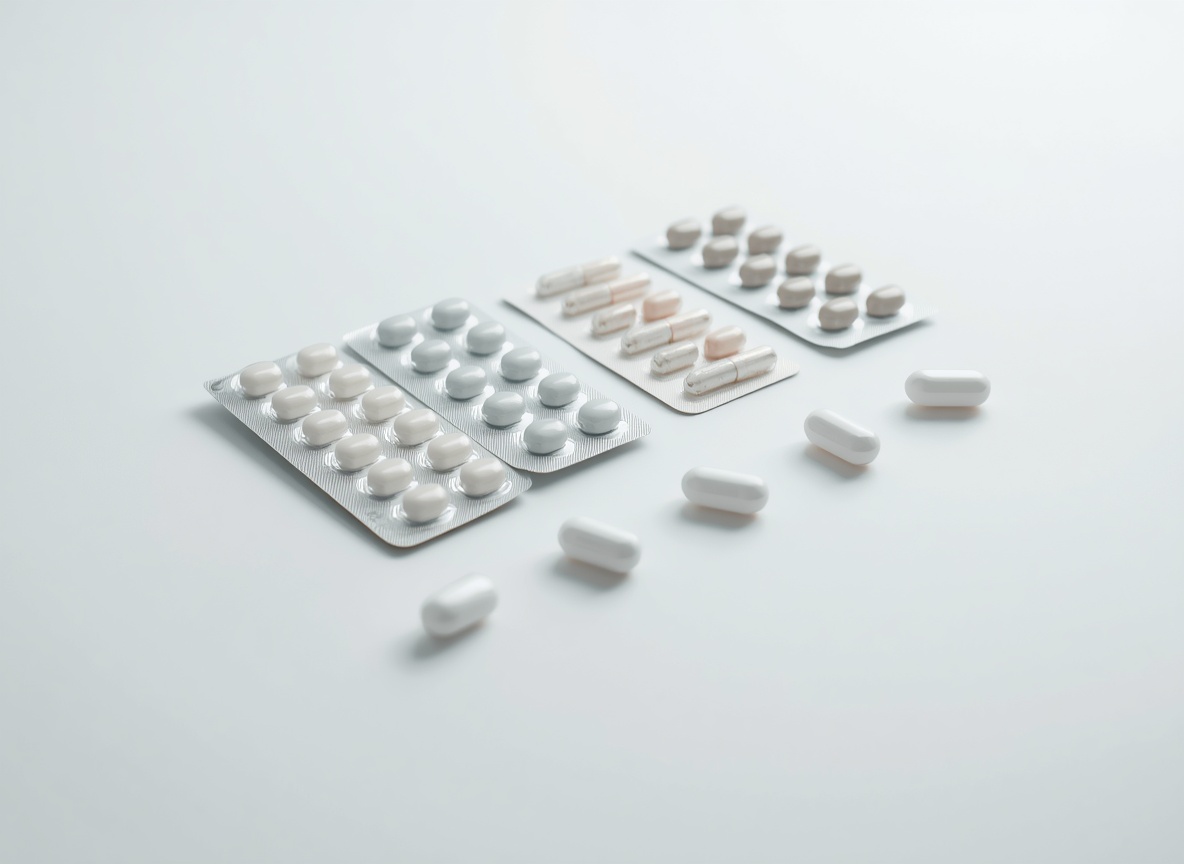
Neurontin is a brand name for gabapentin, an anticonvulsant first approved by the FDA in 1993. Despite the name, it does not work through GABA receptors — it calms overactive nerve signaling by a different mechanism entirely. It is FDA-approved for seizures and nerve pain after shingles, and it is one of the most prescribed medications in the U.S. today, largely for off-label nerve pain uses. A valid prescription is required.
Gabapentin is not a federally controlled substance, but its legal status is not uniform — several states classify it as a controlled substance at the state level because of a real, documented misuse pattern, particularly in combination with opioids. This page covers both the clinical picture and that legal patchwork. Always consult a healthcare provider before starting or changing therapy.
What Is Neurontin
Neurontin (gabapentin) is prescribed by neurologists, pain specialists, and primary care doctors. It is also sold under the brand names Gralise, Horizant, and Relgaabi — each with a different release profile and approved use, which matters more for this drug than for most (see below).
How Gabapentin Works
Gabapentin’s name suggests a connection to GABA, an inhibitory neurotransmitter, but it does not actually bind GABA receptors. Instead, it binds the alpha-2-delta subunit of voltage-gated calcium channels in nerve cells, which reduces the release of excitatory neurotransmitters. The practical effect is similar to calming an overactive nervous system, which is why it works for both seizures and nerve pain, even though the pathways involved are different for each condition.
Neurontin vs Gralise vs Horizant
These are all gabapentin, but they are not interchangeable, even at the same milligram dose. Neurontin and generic gabapentin are immediate-release. Gralise is an extended-release formulation approved only for postherpetic neuralgia, taken once daily with food. Horizant is a different extended-release formulation approved for both postherpetic neuralgia and restless legs syndrome. Switching between these without a prescriber’s specific instruction can meaningfully change how much drug is in your system at a given time.
Conditions Treated by Gabapentin
- FDA-approved: partial-onset seizures (as add-on therapy in adults and children age 3 and up), and postherpetic neuralgia (nerve pain after shingles).
- Restless legs syndrome: approved specifically for the Horizant brand, not for Neurontin or generic gabapentin.
- Common off-label uses: diabetic nerve pain, fibromyalgia, anxiety, hot flashes, and alcohol withdrawal symptoms.
Most gabapentin prescriptions today are written for pain-related conditions rather than seizures. Only a prescriber can determine whether it is appropriate for a specific diagnosis, including off-label uses.
Legal Status: Why It Varies by State
Gabapentin is not scheduled under the federal Controlled Substances Act — the DEA does not classify it as a controlled substance nationally. However, a growing number of states have independently classified it as a Schedule V controlled substance, including Kentucky, West Virginia, Tennessee, Alabama, Utah, and Virginia, with the specific list changing periodically as more states act. Other states do not schedule it but require prescriptions to be reported to a prescription drug monitoring program.
This state-level action followed documented cases of gabapentin misuse, particularly by people combining it with opioids to intensify sedation — a combination that also raises the risk of fatal respiratory depression (see Warnings below). If you are prescribed gabapentin, ask your pharmacist about your specific state’s rules, since they affect things like refill limits and whether an electronic prescription is accepted.
Neurontin Dosage and Strengths
Available Forms
- 100 mg, 300 mg, 400 mg capsules: common immediate-release strengths.
- 600 mg, 800 mg tablets: used for higher maintenance doses.
- Oral solution: used for patients who cannot swallow capsules or tablets, including some children.
Standard Adult Dosing
Dosing is individualized and typically started low, then increased gradually — a process called titration — to reduce dizziness and drowsiness as the body adjusts. The target dose depends on the condition: seizure control and nerve pain relief often require different total daily doses, usually split into two or three doses per day.
Kidney Function and Dosing
Gabapentin is cleared from the body almost entirely by the kidneys, unchanged. This means people with reduced kidney function need a lower dose, and the dosing schedule is adjusted based on kidney function test results rather than following a single standard schedule. This is a bigger factor for gabapentin than for many other prescription drugs.
Missed Dose Instructions
If you miss a dose, take it as soon as you remember unless it is nearly time for your next scheduled dose. In that case, skip the missed dose and resume your normal schedule. Never double the dose to catch up.
Side Effects
Common Side Effects
- Dizziness
- Drowsiness
- Peripheral edema (swelling in the hands, ankles, or feet)
- Ataxia (unsteady movement or coordination)
- Fatigue
- Nystagmus (involuntary rapid eye movement)
Serious Side Effects
Contact a doctor promptly, or seek emergency care, if you experience:
- Slow, shallow, or difficult breathing — especially if you have also taken an opioid, benzodiazepine, or alcohol
- New or worsening depression, anxiety, or suicidal thoughts
- Signs of a severe allergic reaction — rash, swelling of the face or throat, difficulty breathing
- Significant mood or behavior changes
- Signs of multi-organ hypersensitivity — fever, rash, and swollen lymph nodes appearing together
Who Should Not Take Gabapentin
Gabapentin is generally avoided in people with a known hypersensitivity to it. It requires caution and dose adjustment in people with reduced kidney function, and closer monitoring in people with a history of respiratory conditions, substance use disorder, or depression. A prescriber weighs these factors against the benefit of treating the underlying condition.
Warnings and Precautions
Respiratory Depression With Opioids and CNS Depressants
Combining gabapentin with opioids, benzodiazepines, or other central nervous system depressants — including alcohol — significantly raises the risk of severe sedation and slowed or stopped breathing, which can be fatal. This risk is higher in older adults and in anyone with an existing respiratory condition. Tell every prescriber about all sedating medications you take.
Suicidal Thoughts and Behavior
Like other anticonvulsant medications, gabapentin carries a class-wide FDA warning for a small increased risk of suicidal thoughts and behavior. This risk applies across the conditions gabapentin treats, not just seizure disorders. Patients and caregivers should watch for new or worsening mood changes, especially early in treatment.
Withdrawal and Discontinuation
Roughly half of patients prescribed gabapentin take it continuously for a year or more, and stopping abruptly after regular use can cause withdrawal symptoms — anxiety, insomnia, nausea, and in some cases seizures, even in people without a seizure disorder. Gabapentin is typically tapered down gradually rather than stopped suddenly.
Drug Interactions
Gabapentin interacts with fewer medications through liver enzymes than many drugs, since it is cleared unchanged by the kidneys — but its interactions that do exist are significant.
- Opioids: significantly raise the risk of severe sedation and respiratory depression, and can also increase gabapentin blood levels.
- Benzodiazepines and other sedatives: additive sedation and respiratory depression risk.
- Alcohol: additive sedation; increases fall and respiratory risk.
- Antacids containing aluminum or magnesium: reduce gabapentin absorption — take gabapentin at least two hours after an antacid.
This list is not complete. Share your full medication list with the prescribing doctor or pharmacist before starting gabapentin.
Gabapentin and Pregnancy
Gabapentin crosses the placenta, and data on pregnancy safety is more limited than for some other anticonvulsants. Use during pregnancy is a decision made individually, weighing the risk of untreated seizures or pain against the available safety data. Gabapentin also passes into breast milk; nursing parents should discuss this with their doctor.
Overdose Information
Gabapentin overdose alone is rarely fatal, but symptoms can include double vision, slurred speech, drowsiness, diarrhea, and lethargy. Overdose risk becomes much more dangerous when gabapentin is combined with opioids, alcohol, or other sedatives, where respiratory depression becomes a real concern.
Contact Poison Control at 1-800-222-1222 or seek emergency care for any suspected overdose, especially if other substances were involved.
Gabapentin for Pets
Veterinarians commonly prescribe gabapentin for dogs and cats to manage chronic pain, nerve pain, and situational anxiety — including the anxiety many cats experience during vet visits. It is often combined with other pain medications as part of a broader treatment plan for arthritis or post-surgical pain.
Never give a pet a human gabapentin capsule without veterinary guidance. Some human oral solutions contain xylitol, which is toxic to dogs — always check the ingredient list or use a veterinary-specific formulation.
How to Obtain Neurontin
Neurontin and generic gabapentin are available at licensed pharmacies with a valid prescription. Depending on your state’s classification, additional rules may apply to refills and prescription transfers.
Legitimate online pharmacies display accreditation from the National Association of Boards of Pharmacy or an equivalent state regulatory body. Sources offering gabapentin without requiring a valid prescription operate illegally and may provide counterfeit, contaminated, or incorrectly dosed medication.
Storage and Handling
Store gabapentin at room temperature, between 68F and 77F (20C and 25C), away from moisture, heat, and direct light. Keep out of reach of children and pets, and store securely given its documented misuse potential in combination with other substances.
Dispose of expired or unused medication through a pharmacy take-back program rather than the trash or toilet when possible.
Frequently Asked Questions
Is Neurontin a controlled substance?
Not federally — the DEA does not schedule gabapentin nationally. However, several states classify it as a Schedule V controlled substance due to documented misuse, particularly in combination with opioids. Rules vary by state, so check with your local pharmacy.
Does gabapentin work like a benzodiazepine or opioid?
No. Gabapentin does not act on GABA, benzodiazepine, or opioid receptors at all, despite what its name suggests. It works through a different mechanism involving calcium channels in nerve cells, though its calming, sedative-like effect can feel superficially similar.
Can I switch between Neurontin and Gralise?
Not without your prescriber’s instruction. Gralise is extended-release and dosed once daily; Neurontin is immediate-release and typically dosed two or three times a day. The same milligram total does not produce the same blood levels between the two.
Is it dangerous to take gabapentin with opioids?
Yes — this combination significantly raises the risk of severe sedation and slowed or stopped breathing, which can be fatal. It is one of the most important interaction risks associated with gabapentin, and doctors weigh it carefully before prescribing the two together.
Can I stop taking gabapentin suddenly?
Stopping suddenly after regular use can cause withdrawal symptoms, including anxiety, insomnia, nausea, and in some cases seizures — even in people who do not have a seizure disorder. Gabapentin is typically tapered down gradually under a doctor’s direction.
Does kidney function affect my gabapentin dose?
Yes, significantly. Gabapentin is cleared by the kidneys without being processed by the liver, so reduced kidney function requires a lower dose. Your doctor may adjust your dose based on kidney function blood tests.
Why does gabapentin cause swelling in the legs or feet?
Peripheral edema — mild swelling in the hands, ankles, or feet — is a recognized, fairly common side effect of gabapentin. It is usually not dangerous on its own, but tell your doctor if it is significant or comes with shortness of breath.
What should I do if I miss a dose?
Take the missed dose as soon as you remember, unless it is almost time for the next one — in that case, skip the missed dose rather than doubling up.
Can gabapentin be taken with antacids?
Antacids containing aluminum or magnesium can reduce how much gabapentin your body absorbs. If you take both, space them at least two hours apart, taking the antacid first.
Is Neurontin the same as gabapentin?
Yes. Neurontin is the original brand name for immediate-release gabapentin. Generic gabapentin contains the same active ingredient; Gralise and Horizant are different extended-release formulations, not simple generic equivalents.
Questions about your Neurontin prescription? Email us at [email protected]. We read every message. Response time is typically one business day. We do not provide medical advice by email. For emergencies, call 911.
Editorial Standards: Content is medically reviewed by the VippHealth Pharmacy Advisory Board, a team of licensed pharmacists and healthcare professionals. Last medically reviewed and updated on July 25, 2026. We regularly update this page to reflect the latest FDA guidelines and clinical research on anticonvulsant safety.
Important Medical Disclaimer
This guide provides educational content only. It does not replace medical advice. Talk to your doctor before starting, stopping, or changing gabapentin, and never combine it with opioids, alcohol, or other sedatives without your doctor’s explicit guidance. Do not use this site to diagnose or treat any condition.
Emergency Notice: If you or someone taking gabapentin has slow, shallow, or difficult breathing, especially after also taking an opioid, benzodiazepine, or alcohol, seek emergency care immediately. Call 911.