
PRESCRIPTION REQUIRED — Last updated:
Medically reviewed by VippHealth Pharmacy Advisory Board. About our editorial process
Prednisolone
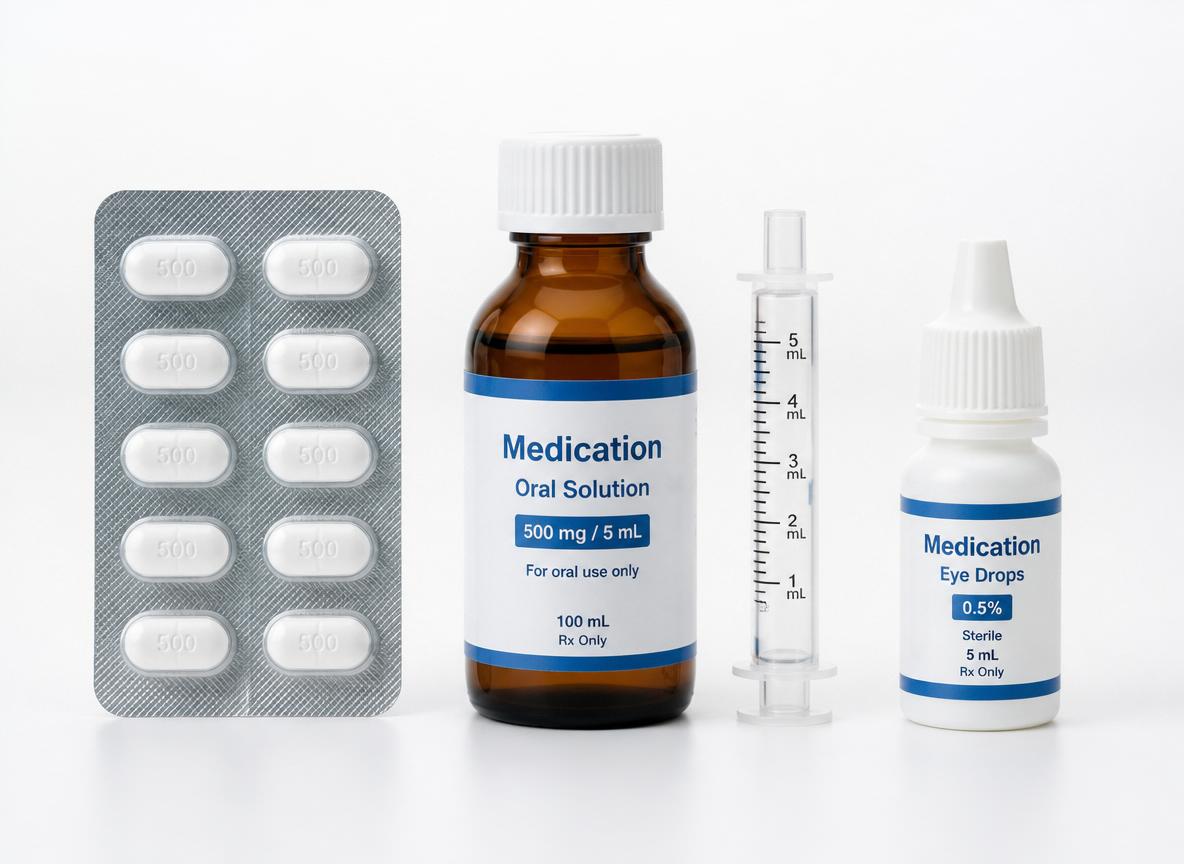
Prednisolone is a corticosteroid used in three very different forms: oral tablets or liquid for systemic inflammation, and eye drops for inflammation confined to the eye. Unlike prednisone, prednisolone is already biologically active — it does not need to be converted by the liver first. A valid prescription is required for all forms.
Because prednisolone comes in such different formulations for such different purposes, “prednisolone” as a search term covers two largely separate patient experiences: someone treating a systemic flare with tablets or liquid, and someone treating eye inflammation with drops after surgery or from uveitis. This page covers both. Always consult a healthcare provider before starting or changing therapy.
What Is Prednisolone
Prednisolone is a synthetic glucocorticoid closely related to prednisone — in fact, it is the active metabolite the liver produces after processing prednisone. Doctors prescribe oral prednisolone across the same specialties as prednisone: rheumatology, allergy, gastroenterology, hematology, and pediatrics. Ophthalmic prednisolone (eye drops) is prescribed separately by ophthalmologists and optometrists for inflammation inside or on the surface of the eye.
How Prednisolone Works
Like other corticosteroids, prednisolone binds to glucocorticoid receptors and shifts gene activity toward an anti-inflammatory state — suppressing swelling, redness, and immune overactivity. Because it is already active, it starts working without the extra liver conversion step prednisone requires.
Prednisolone vs Prednisone
Prednisone is a prodrug: the liver converts it into prednisolone before it works. Prednisolone is already active, which matters most for two groups — people with significant liver disease, whose livers may not convert prednisone efficiently, and cats, whose livers are notably inefficient at this conversion (see the Pets section below). For most people with normal liver function, the two are considered clinically equivalent at matched doses.
Conditions Treated by Prednisolone
Oral/systemic use treats many of the same conditions as prednisone: asthma flares, allergic reactions, rheumatoid arthritis and lupus, inflammatory bowel disease, certain blood disorders and cancers, and adrenal insufficiency. It is also commonly used in pediatrics for asthma flares, croup, and nephrotic syndrome, partly because liquid prednisolone formulations are easier for children to take than prednisone tablets.
Ophthalmic (eye drop) use treats inflammation following eye surgery, uveitis, and other forms of eye inflammation where treatment needs to be local rather than body-wide.
Prednisolone Eye Drops (Ophthalmic Use)
Ophthalmic prednisolone — sold under brand names like Pred Forte, Pred Mild, and Omnipred — treats inflammation on the surface of or inside the eye. Because it is applied directly to the eye, systemic side effects are much less common than with oral prednisolone, but the eye itself carries specific risks.
Dosing is typically one to two drops in the affected eye, several times a day at first, tapering down as inflammation improves — the exact schedule depends on the condition and is set by the prescribing doctor. Shake suspension-based formulas (like Pred Forte) well before each use.
Never let the dropper tip touch your eye, eyelid, or any surface. A contaminated dropper can introduce infection directly into the eye, which can become serious quickly. Ophthalmic prednisolone should not be used if you have a herpes simplex eye infection, since it can worsen a viral infection that is not obvious yet.
Prednisolone Dosage and Strengths
Available Forms
- Oral tablets: common strengths from 5 mg to 50 mg, used for systemic inflammatory conditions.
- Oral solution (including orally disintegrating tablets): a raspberry-flavored liquid or dissolving tablet, widely used in pediatrics because it is easier to dose by weight and easier for children to take.
- Ophthalmic suspension or solution: eye drops in strengths such as 0.12%, 0.125%, and 1%, used for eye inflammation only.
Standard Adult Oral Dosing
Like prednisone, systemic prednisolone dosing depends entirely on the condition, severity, and individual response — there is no single standard dose. Short courses treat acute flares; longer courses for chronic autoimmune conditions use a lower maintenance dose with a gradual taper.
Pediatric Oral Dosing
Pediatric dosing is typically weight-based, commonly in the range of 0.14 to 2 mg per kilogram per day in divided doses, adjusted for the specific condition being treated. Nephrotic syndrome in children follows a more structured protocol: a higher daily dose divided across the day for several weeks, followed by a lower dose given every other day for a further period, tapering under a pediatrician’s supervision. Never adjust a child’s dose without the prescriber’s guidance.
Missed Dose Instructions
If you miss an oral dose, take it as soon as you remember unless it is nearly time for your next scheduled dose — in that case, skip it and resume your normal schedule. For eye drops, apply the missed dose as soon as you remember, then continue your regular dosing interval; do not apply extra drops to catch up.
Side Effects
Common Side Effects (Oral/Systemic)
- Increased appetite
- Trouble sleeping
- Mood changes
- Fluid retention
- Stomach upset
- Elevated blood sugar
Common Side Effects (Eye Drops)
- Mild stinging or burning on application
- Blurred vision immediately after a drop
- Increased sensitivity to light
Serious Side Effects
Oral/systemic: signs of infection, vision changes, black or tarry stools, severe mood changes, swelling with sudden weight gain, or muscle weakness that does not improve.
Eye drops: increased eye pressure or glaucoma with extended use, cataracts with long-term use, delayed wound healing after eye surgery, and eye infections — including fungal infections — with prolonged use. Report worsening vision, eye pain, or unusual discharge to your ophthalmologist promptly.
Who Should Not Take Prednisolone
Oral/systemic prednisolone is generally avoided in people with known hypersensitivity to prednisolone, systemic fungal infections, or an upcoming live-virus vaccine, and requires caution in people with uncontrolled diabetes, active peptic ulcer disease, or osteoporosis.
Ophthalmic prednisolone should not be used with a herpes simplex eye infection, and ophthalmic products are not approved for use in anyone younger than 18 for some brands — check the specific product label or ask your prescriber.
Warnings and Precautions
Adrenal Suppression (Oral Use)
Courses of oral prednisolone longer than about three weeks are tapered down gradually, not stopped abruptly, since the adrenal glands slow their own cortisol production during treatment.
Glaucoma and Cataracts (Eye Drops)
Extended use of ophthalmic prednisolone can raise eye pressure, potentially leading to glaucoma, and prolonged use is linked to cataract formation. Follow the prescribed duration exactly — this is not a medication to use longer than directed “just in case.”
Infection Risk
Both forms suppress local or systemic immune response. Oral use raises the risk of new or reactivated infections throughout the body; eye drop use can mask or worsen an existing eye infection, which is why a doctor typically checks for infection before prescribing it.
Drug Interactions
Oral prednisolone interacts with numerous medications; ophthalmic prednisolone has minimal systemic interactions due to limited absorption, but a full medication list should still be shared with your doctor.
- NSAIDs (oral use): raise the risk of stomach ulcers and GI bleeding when combined with oral prednisolone.
- Diabetes medications: oral prednisolone raises blood sugar, so doses may need adjustment.
- CYP3A4-affecting drugs: certain antifungals, rifampin, and St. John’s Wort can raise or lower oral prednisolone levels.
- Other eye medications: using multiple eye drops requires spacing them several minutes apart so each one absorbs properly.
This list is not complete. Share your full medication list with the prescribing doctor or pharmacist.
Prednisolone and Pregnancy
Oral prednisolone crosses the placenta only partially and is sometimes used during pregnancy when the benefit of treating the parent’s condition outweighs the risk, a decision made by the treating doctor. It also passes into breast milk in small amounts. Systemic absorption from eye drops is minimal, but safety data during pregnancy and breastfeeding is limited for the ophthalmic form as well — discuss any use with your doctor.
Overdose Information
A single accidentally large oral dose is rarely life-threatening on its own, but repeated overdosing increases the risk of the serious effects described above. Eye drop overdose (excess drops) is unlikely to cause systemic harm but can cause temporary irritation or blurred vision. Contact Poison Control at 1-800-222-1222 for any significant overdose concern, oral or ophthalmic.
Prednisolone for Pets
Prednisolone has a specific advantage in veterinary medicine: cats convert prednisone to prednisolone inefficiently, so veterinarians generally prefer prednisolone over prednisone for cats with allergic, inflammatory, or autoimmune conditions. Dogs are prescribed either form, based on the veterinarian’s preference and the condition being treated.
Never give a pet a human prednisolone tablet or eye drop without veterinary guidance. Dosing is weight- and species-specific, and human ophthalmic formulations are not automatically appropriate for animal eye conditions.
How to Obtain Prednisolone
Prednisolone — tablets, oral solution, or eye drops — is available at licensed pharmacies with a valid prescription. Patients can fill prescriptions at local retail pharmacies, hospital pharmacies, or verified online pharmacies.
Legitimate online pharmacies display accreditation from the National Association of Boards of Pharmacy or an equivalent state regulatory body. Sources offering prednisolone without requiring a valid prescription operate illegally and may provide counterfeit, contaminated, or incorrectly dosed medication — a particular concern for eye drops, where contamination risk is higher.
Storage and Handling
Store oral tablets and solution at room temperature, away from moisture, heat, and direct light. Store eye drops as directed on the label — most are kept at room temperature and should be discarded a set number of weeks after opening, even if some medication remains, due to contamination risk. Keep all forms out of reach of children and pets.
Dispose of expired or unused medication through a pharmacy take-back program rather than the trash or toilet when possible.
Frequently Asked Questions
Is prednisolone available over the counter?
No. All forms of prednisolone — oral and ophthalmic — require a prescription in the United States and most other countries. Any source dispensing it without a valid prescription is operating illegally.
What is the difference between prednisolone and prednisone?
Prednisone must be converted by the liver into prednisolone before it becomes active. Prednisolone is already active. For people with normal liver function, they work similarly at equivalent doses; prednisolone is often preferred for people with significant liver disease.
Why do children get liquid prednisolone instead of prednisone tablets?
Prednisolone is available as a flavored liquid or an orally disintegrating tablet, which is easier for children to take and easier to dose precisely by body weight than a standard tablet.
Why do vets prefer prednisolone over prednisone for cats?
Cats are notably inefficient at converting prednisone into its active form, prednisolone. Giving prednisolone directly ensures the medication works reliably, which is why veterinarians generally choose it over prednisone for feline patients.
Can I use prednisolone eye drops for pink eye?
Only if your eye doctor prescribes it after ruling out an infectious cause, particularly herpes simplex, since steroids can worsen certain infections. Prednisolone eye drops treat inflammation, not most infectious causes of pink eye — an eye exam is needed to tell the difference.
How long can I use prednisolone eye drops?
Exactly as long as your ophthalmologist prescribes — typically a tapering course over one to several weeks. Extended use beyond what is prescribed raises the risk of increased eye pressure and cataracts, so do not continue “just in case” symptoms return.
Do I need to taper off oral prednisolone the same way as prednisone?
Yes. Courses longer than about three weeks are tapered gradually rather than stopped abruptly, since prednisolone suppresses the adrenal glands’ own cortisol production the same way prednisone does.
Can I wear contact lenses while using prednisolone eye drops?
Ask your eye doctor — many suspension-based drops advise removing contact lenses before application and waiting before reinserting them. Your specific product and condition determine the right approach.
What should I do if I miss a dose?
For oral prednisolone, take the missed dose as soon as you remember unless it is almost time for the next one — then skip it. For eye drops, apply the missed dose as soon as you remember and continue your regular schedule; do not double up.
Does prednisolone eye drop use affect the rest of my body?
Systemic absorption from eye drops is generally low, so body-wide side effects are far less likely than with oral use. The main risks with eye drops are local — to the eye itself — rather than systemic.
Questions about your prednisolone prescription? Email us at [email protected]. We read every message. Response time is typically one business day. We do not provide medical advice by email. For emergencies, call 911.
Editorial Standards: Content is medically reviewed by the VippHealth Pharmacy Advisory Board, a team of licensed pharmacists and healthcare professionals. Last medically reviewed and updated on July 25, 2026. We regularly update this page to reflect the latest FDA guidelines and clinical research on corticosteroid safety.
Important Medical Disclaimer
This guide provides educational content only. It does not replace medical advice. Talk to your doctor or eye doctor before starting, stopping, or changing prednisolone in any form. Do not use this site to diagnose or treat any condition.
Emergency Notice: If you experience sudden vision loss, severe eye pain, or signs of a severe allergic reaction while using prednisolone, seek emergency care immediately. Call 911.