
PRESCRIPTION REQUIRED – Last updated:
Written and fact-checked by VippHealth Editorial Team from FDA labeling and clinical references. About our editorial process
Lisinopril

Lisinopril is an ACE inhibitor. It lowers blood pressure by blocking angiotensin II production. Doctors prescribe it for hypertension, heart failure and post-heart attack protection. The usual starting dose is 10mg once daily. Lisinopril requires a prescription. It is not available over the counter.
Lisinopril has been used for nearly three decades. It is not a prodrug. The body does not need to convert it in the liver. This makes lisinopril suitable for patients with hepatic impairment. Lisinopril is excreted unchanged through the kidneys. Dose adjustments are required when kidney function drops below 30 mL per minute.
- Dose: 10mg to 40mg once daily, up to 80mg in severe cases
- Status: Prescription required, ACE inhibitor
- Primary use: Hypertension, heart failure, post-MI cardioprotection
- Half-life: 12 hours, peak effect at 6 to 8 hours
What Is Lisinopril
Lisinopril is a competitive inhibitor of angiotensin-converting enzyme. It belongs to the ACE inhibitor class. The FDA approved it for hypertension, heart failure and acute myocardial infarction. It is sold under brand names Zestril and Prinivil. Generic tablets come in 2.5mg, 5mg, 10mg, 20mg, 30mg and 40mg strengths.
Lisinopril is hydrophilic. It does not bind to plasma proteins. Oral bioavailability ranges from 10 to 30 percent. Peak serum concentration occurs within 6 to 8 hours. Food does not affect absorption. Lisinopril is eliminated entirely through urine. Hemodialysis removes it from the blood.
The FDA also approves lisinopril for children 6 years and older with hypertension. Pediatric dosing starts at 0.07 mg per kilogram of body weight. The maximum pediatric dose is 5mg daily. Kidney function must be adequate before starting therapy in children.
How Lisinopril Works
Lisinopril blocks the conversion of angiotensin I to angiotensin II. Angiotensin II is a potent vasoconstrictor. It raises blood pressure by narrowing arteries. It also stimulates aldosterone secretion. Aldosterone promotes sodium and water retention.
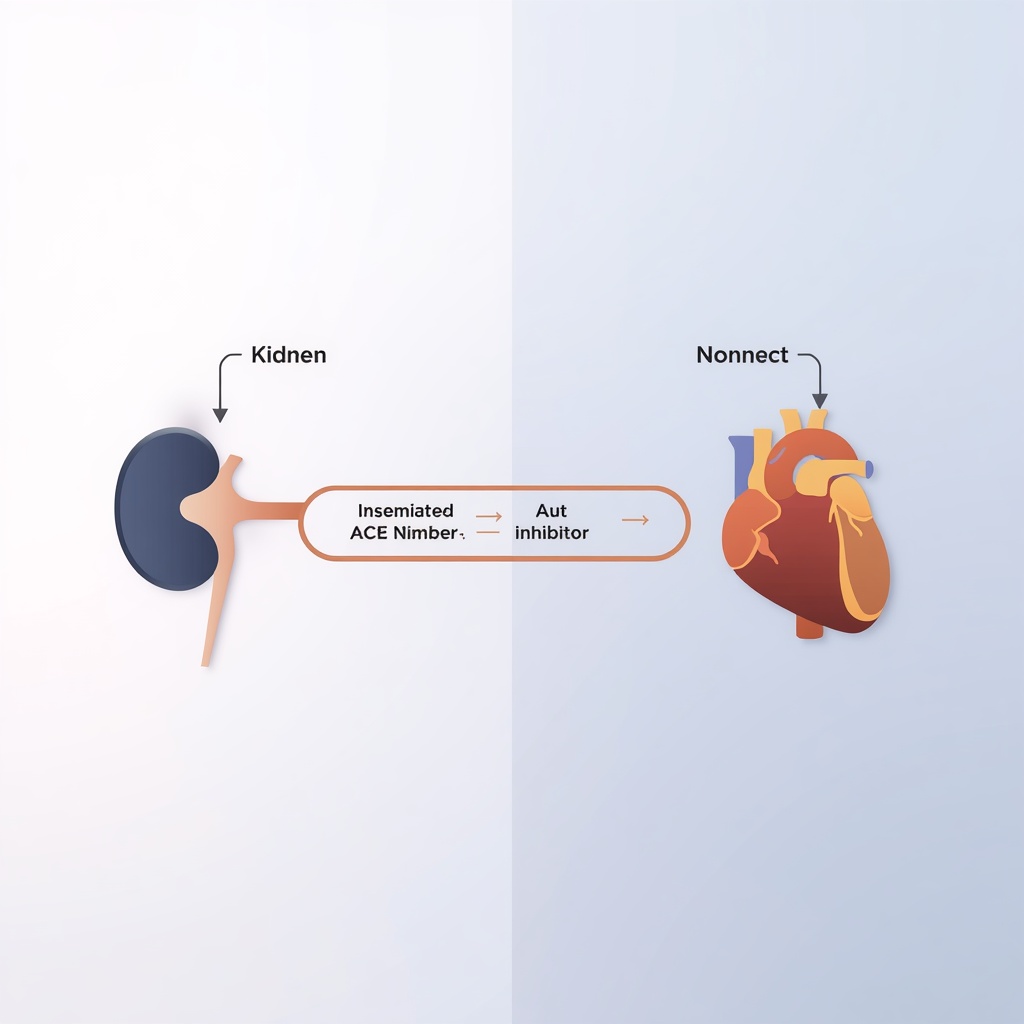
By inhibiting ACE, lisinopril dilates blood vessels. Peripheral resistance drops. Blood pressure falls. Cardiac workload decreases. The heart pumps more efficiently. Lisinopril also prevents adverse cardiac remodeling. This protects the heart muscle after a heart attack.
The same enzyme that converts angiotensin I also breaks down bradykinin. Blocking ACE means bradykinin builds up in the body. This accumulation explains lisinopril’s signature side effect. A dry persistent cough occurs in about 2.5 percent more patients than placebo. The cough is not an infection or allergy. It almost always resolves within days to weeks after stopping lisinopril.
Key mechanisms:
- Vasodilation: Arteries and veins relax. Blood pressure drops within 1 hour.
- Aldosterone suppression: Sodium and water retention decrease. Edema improves.
- Cardiac remodeling prevention: The heart muscle maintains normal shape and size.
- Bradykinin accumulation: Explains the dry cough side effect.
Conditions Treated by Lisinopril
Lisinopril treats several cardiovascular conditions. The FDA approved three primary indications.
- Hypertension: First-line therapy for high blood pressure. Used alone or with diuretics.
- Heart failure: Adjunctive therapy with diuretics and digoxin. Reduces hospitalization risk.
- Acute myocardial infarction: Started within 24 hours of STEMI. Improves survival.
Doctors also prescribe lisinopril off-label for diabetic nephropathy. It reduces proteinuria. It slows kidney damage in type 2 diabetes. Patients taking Lasix for fluid retention should tell their doctor before starting lisinopril. Both drugs affect blood pressure and kidney function.
Lisinopril Dosage and Strengths
Available Forms
Manufacturers produce lisinopril as oral tablets. Six strengths exist.
- 2.5mg tablets: Starting dose for sensitive patients or those on diuretics.
- 5mg tablets: Common starting dose for heart failure or post-MI therapy.
- 10mg tablets: Standard starting dose for uncomplicated hypertension.
- 20mg tablets: Usual maintenance dose for blood pressure control.
- 30mg tablets: Intermediate strength for dose titration.
- 40mg tablets: Maximum standard dose for hypertension.
Standard Adult Dosing
For hypertension, start with 10mg once daily. Adjust based on blood pressure response. The usual range is 20 to 40mg daily. Doses up to 80mg have been used. They do not produce greater effect in most patients. Add hydrochlorothiazide 12.5mg if monotherapy fails.
For heart failure, start with 5mg once daily. Titrate upward gradually. The ATLAS trial tested high dose (32.5mg to 35mg) versus low dose (2.5mg to 5mg). Both groups showed similar dropout rates. High dose caused more dizziness and hypotension.
For acute MI, start with 5mg within 24 hours. Increase to 10mg after 48 hours if tolerated. Continue for 6 weeks. The GISSI-3 trial showed improved survival with early ACE inhibitor use.
The First Few Days Matter Most
Lightheadedness or dizziness is most likely in the first days of treatment. This risk increases after a dose increase. Patients on diuretics face higher risk. Dehydration and heavy sweating also raise risk. Standing up slowly reduces the chance of a fall. Staying hydrated during the adjustment period helps.
Missed Dose Instructions
Take the missed dose when you remember. Skip it if the next dose is within 6 hours. Do not double the dose. Doubling increases the risk of hypotension and dizziness. Resume the normal schedule. Consistency matters more than exact timing.
Side Effects
Common Side Effects
Most patients tolerate lisinopril well. Mild effects usually resolve within 2 weeks:
- Dry cough (2.5% more than placebo)
- Dizziness (3.5% more than placebo)
- Headache (3.8% more than placebo)
- Fatigue or weakness
- Nausea
Serious Side Effects
Stop taking lisinopril and contact a doctor immediately if you experience:
- Angioedema: swelling of face, lips, tongue or throat. Risk is higher in Black patients. Incidence is 0.1 percent.
- Severe hypotension: dizziness, fainting, especially after the first dose.
- Hyperkalemia: muscle weakness, irregular heartbeat, tingling in extremities. Serum potassium above 5.7 mEq/L occurs in 2.2 percent of hypertensive patients and 4.8 percent of heart failure patients.
- Renal dysfunction: reduced urination, swelling in legs, fatigue. Creatinine may rise.
- Hepatotoxicity: yellowing skin, dark urine, severe stomach pain.
- Pancreatitis: severe abdominal pain with nausea and vomiting.
Who Should Not Take Lisinopril
Do not take lisinopril if you have a history of angioedema with previous ACE inhibitor use. Do not take if you have hereditary or idiopathic angioedema. Avoid lisinopril if you have bilateral renal artery stenosis. It worsens kidney function in this condition.
Do not use during pregnancy. Lisinopril carries a Category D warning for the second and third trimesters. It causes fetal kidney failure, skull hypoplasia and death. Discontinue immediately if pregnancy occurs. Patients using Flonase or other long-term medications should disclose all drugs to their physician before starting lisinopril.
Warnings and Precautions
Lisinopril can cause symptomatic hypotension. This is more likely in patients on diuretics. Stop the diuretic 2 to 3 days before starting lisinopril if possible. If not, start with 5mg under medical supervision. Monitor blood pressure for at least 2 hours after the first dose.
Monitor kidney function regularly. Minor creatinine increases occur in about 2 percent of patients. They usually reverse after dose reduction. In heart failure patients on diuretics, 11.6 percent show reversible creatinine increases.
Monitor potassium levels. Avoid potassium supplements and salt substitutes. ACE inhibitors raise serum potassium. Most salt substitutes are potassium chloride. Combining them with lisinopril can push potassium high enough to cause a dangerous heart rhythm. This is the opposite concern from loop diuretics like furosemide. Diuretics lower potassium. Salt substitutes help offset that loss. With lisinopril, salt substitutes add risk.
Ask a doctor before use if you have liver disease. Rare cases of hepatic failure have occurred. Stop lisinopril if jaundice or marked liver enzyme elevation develops.
Drug Interactions
Lisinopril interacts with several medication classes. Always provide your doctor with a complete list.
- Diuretics: Additive hypotensive effect. Stop diuretics before starting lisinopril if possible.
- Potassium supplements and salt substitutes: Increase hyperkalemia risk. Avoid unless directed.
- Potassium-sparing diuretics (spironolactone, amiloride): Severe hyperkalemia possible. Monitor closely.
- NSAIDs: Reduce antihypertensive effect. May worsen kidney function. The combination of an NSAID, an ACE inhibitor and a diuretic is called the triple whammy. It raises acute kidney injury risk significantly.
- ARBs, aliskiren or neprilysin inhibitors: Combining any of these with lisinopril raises the risk of kidney impairment, low blood pressure and high potassium. The combination drug Entresto contains sacubitril. Do not use sacubitril within 36 hours of lisinopril.
- Lithium: ACE inhibitors increase lithium levels. Toxicity risk rises.
- Antidiabetic agents: Hypoglycemia risk increases. Monitor blood glucose.
Lisinopril and Pregnancy
Lisinopril is contraindicated during pregnancy. The FDA assigns Category D to the second and third trimesters. ACE inhibitors cross the placenta. They reduce fetal renal function. This causes oligohydramnios. Oligohydramnios leads to fetal lung hypoplasia and skeletal deformities.
Neonatal adverse effects include skull hypoplasia, anuria, hypotension and renal failure. When pregnancy is detected, discontinue lisinopril as soon as possible. First trimester exposure shows less risk. Most studies have not distinguished ACE inhibitors from other antihypertensives in early pregnancy. Lisinopril is also not recommended during breastfeeding.
Overdose Information
Overdose symptoms include severe hypotension, dizziness, fainting and electrolyte imbalance. Peak effects may be delayed due to the 6 to 8 hour absorption window. Treatment is supportive. Intravenous saline expands blood volume. Angiotensin II infusion reverses hypotension if needed. Contact poison control at 1-800-222-1222.
Lisinopril vs Losartan
Lisinopril and losartan work on the same blood pressure pathway. They act at different steps. Lisinopril is an ACE inhibitor. It blocks the enzyme that produces angiotensin II. Losartan is an ARB. It blocks the receptor that angiotensin II binds to.
Both drugs lower blood pressure equally. The key difference is bradykinin. ACE inhibitors block bradykinin breakdown. This causes the dry cough in about 2.5 percent of patients. ARBs do not affect bradykinin. They rarely cause cough. Doctors often switch patients from lisinopril to losartan specifically because of cough.
Lisinopril is not a prodrug. It is active immediately. Losartan is a prodrug. The liver converts it to its active form. Both require renal dose adjustment. Both carry pregnancy warnings. Both raise potassium levels. Neither is clearly superior for blood pressure control. The choice depends on side effect tolerance.
Storage and Handling
Store lisinopril tablets at room temperature between 20C and 25C. Keep away from moisture and light. Do not store in the bathroom. Keep out of reach of children. Discard expired products. Do not use if the seal is broken. Dispose of unused medication through a pharmacy take-back program when possible.
Frequently Asked Questions
Is lisinopril a beta blocker?
No. Lisinopril is an ACE inhibitor. Beta blockers work by slowing heart rate. ACE inhibitors work by dilating blood vessels. Both lower blood pressure but through different mechanisms. Some patients take both together.
How fast does lisinopril lower blood pressure?
Blood pressure begins to drop within 1 hour. Peak effect occurs at 6 to 8 hours. Full benefit develops over 2 to 4 weeks. Dose adjustments occur every 1 to 2 weeks until target pressure is reached.
Why do I have a dry cough since starting lisinopril?
This is a well-documented ACE inhibitor side effect. It is caused by bradykinin buildup. ACE normally breaks down bradykinin. Blocking the enzyme lets bradykinin accumulate. The cough is not an infection or allergy. It typically resolves within days to weeks after stopping lisinopril. Talk to your doctor about switching to losartan. ARBs rarely cause this effect.
What does angioedema from lisinopril look like?
Swelling of the face, lips, tongue or throat. Difficulty breathing or swallowing may occur. It can happen at any point during treatment. Not just when you start. It needs emergency care immediately. Airway swelling can worsen quickly.
Can I use a salt substitute while taking lisinopril?
Be cautious. Most salt substitutes are potassium chloride. Lisinopril already raises potassium levels. Combining the two can push potassium high enough to cause a dangerous heart rhythm. Ask your doctor before using one regularly.
Can you drink alcohol with lisinopril?
Moderate alcohol is generally safe. Alcohol may lower blood pressure further. This increases dizziness risk. Avoid heavy drinking. Heavy alcohol use raises blood pressure and counteracts lisinopril benefits.
Is lisinopril safe for long-term use?
Yes. Studies follow patients for years. Side effects remain stable. Kidney function and potassium require periodic monitoring. Long-term use reduces heart attack and stroke risk in hypertensive patients.
Can lisinopril be combined with losartan?
Generally no. Combining an ACE inhibitor and an ARB raises the risk of kidney impairment, low blood pressure and high potassium. This combination is usually avoided. It does not provide clear additional benefit for most patients.
Can you stop lisinopril suddenly?
Do not stop without consulting your doctor. Sudden discontinuation causes rebound hypertension. Blood pressure may spike within 48 hours. Your doctor will taper the dose gradually if needed.
What should I do if I miss a dose?
Take the missed dose when you remember. Skip it if the next dose is within 6 hours. Do not double the dose. Doubling increases hypotension and dizziness risk. Resume your normal schedule.
Questions about lisinopril? Email us at [email protected]. We read every message. Response time is typically one business day. We do not provide medical advice by email. For emergencies, call 911.
Editorial Standards: Our team reviews medical literature and FDA labeling to produce accurate patient guides. We do not sell medication. Content is written and fact-checked by the VippHealth Editorial Team. Last updated on July 30, 2026. We regularly update this page to reflect the latest FDA guidelines and clinical research on cardiovascular therapy.
Important Medical Disclaimer
This guide provides educational content only. It does not replace medical advice. Talk to your doctor before starting or stopping any medication. Do not use this site to diagnose or treat any condition. It is not reviewed by a licensed pharmacist or physician.
Emergency Notice: If you experience swelling of the face, lips, tongue or throat, difficulty breathing, or severe dizziness after taking lisinopril, seek emergency care immediately. For suspected overdose, contact Poison Control at 1-800-222-1222 or call 911.
Sources and References
- U.S. Food and Drug Administration – Zestril (lisinopril) Prescribing Information, NDA 19777
- DailyMed – Lisinopril Tablets Drug Label, National Library of Medicine
- PubMed – Lopez EO et al. Lisinopril. StatPearls. NCBI Bookshelf, 2024
- PubMed – Yoo J et al. ACE Inhibitors. StatPearls. NCBI Bookshelf, 2025
- Mayo Clinic – Lisinopril (Oral Route): Side Effects and Dosage, 2026