PRESCRIPTION REQUIRED – Last updated:
Written and fact-checked by VippHealth Editorial Team from FDA labeling and clinical references. About our editorial process
Metformin

Metformin is a biguanide. It lowers blood sugar by reducing liver glucose production. Doctors prescribe it as first-line therapy for type 2 diabetes. The usual starting dose is 500mg twice daily with meals. Metformin requires a prescription. It is not available over the counter.
Metformin has a meaningfully different safety profile from other diabetes drugs. It does not cause hypoglycemia when used alone. It does not stimulate insulin secretion from the pancreas. The FDA approved it in 1994. It is the only biguanide available in the United States. Phenformin was withdrawn in 1977 due to fatal lactic acidosis. Metformin carries the same class risk but at a much lower rate.
- Dose: 500mg to 2550mg daily in divided doses with meals
- Status: Prescription required, first-line type 2 diabetes therapy
- Primary use: Type 2 diabetes, insulin resistance, prediabetes (off-label)
- Half-life: 6.2 hours (immediate-release), 17.6 hours (extended-release)
What Is Metformin
Metformin hydrochloride is a biguanide antihyperglycemic agent. The FDA approved it for type 2 diabetes management in adults and pediatric patients 10 years and older. It is used as an adjunct to diet and exercise. Generic tablets come in 500mg, 850mg and 1000mg strengths. Extended-release tablets come in 500mg, 750mg and 1000mg strengths. Oral solution is available at 500mg per 5mL.
Metformin is hydrophilic. It does not bind to plasma proteins. Oral bioavailability is approximately 50 to 60 percent. Peak plasma concentration occurs within 2.5 hours for immediate-release and 7 hours for extended-release. Food decreases absorption rate but not total extent. Metformin is excreted unchanged through the kidneys. It does not undergo liver metabolism.
How Metformin Works
Metformin lowers blood glucose through multiple mechanisms. The primary action is suppression of hepatic gluconeogenesis. The liver normally produces glucose during fasting. Metformin reduces this output by up to 30 percent.
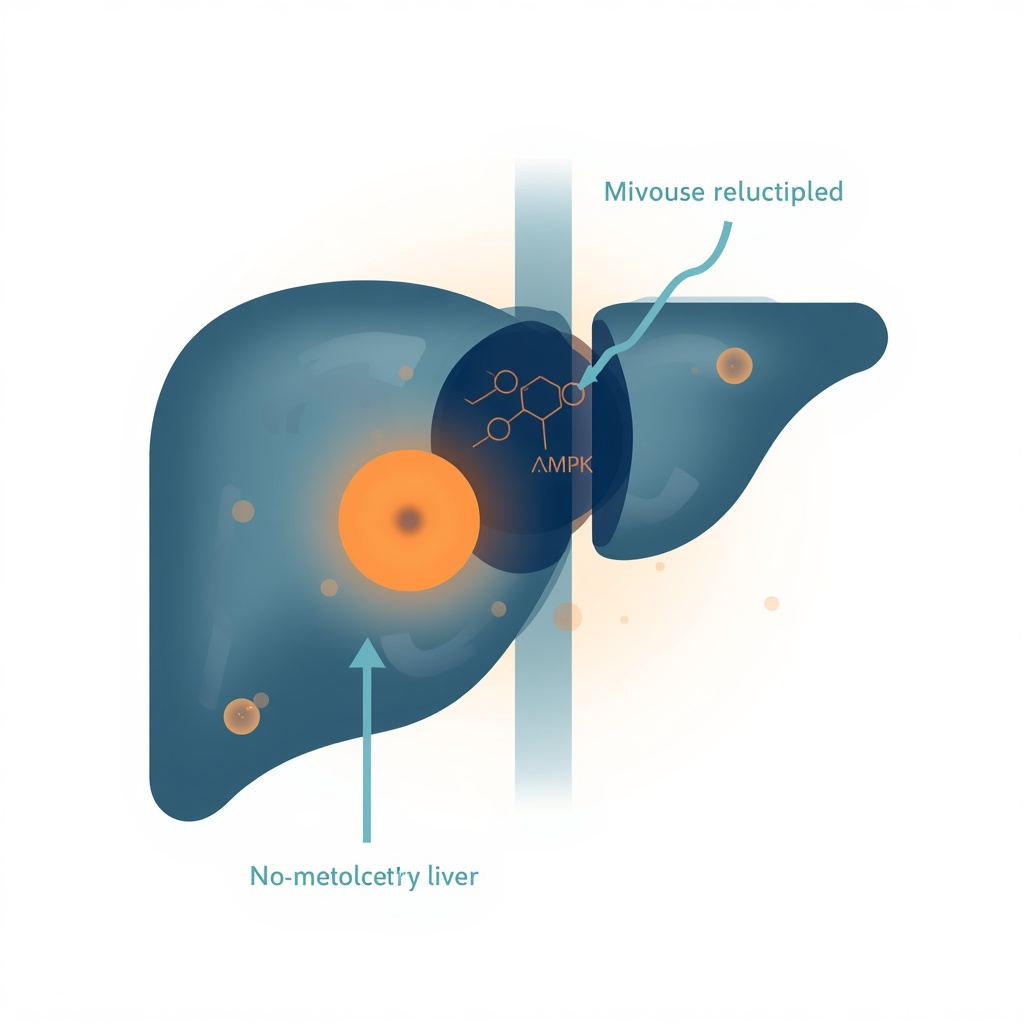
At the molecular level metformin accumulates in mitochondria. Concentrations reach up to 1000-fold higher than in blood. It inhibits Complex I of the mitochondrial respiratory chain. This reduces ATP production. The cell senses energy depletion through increased AMP-to-ATP ratios. AMP-activated protein kinase (AMPK) activates. AMPK switches off glucose production and fat synthesis. It switches on fat oxidation and glucose uptake.
Metformin also acts on the gut. It increases glucose utilization by intestinal cells. It stimulates glucagon-like peptide-1 (GLP-1) secretion. It alters the intestinal microbiome. These gut effects contribute to glucose lowering independent of liver action.
Key mechanisms:
- Hepatic gluconeogenesis suppression: Reduces liver glucose output by 20 to 30 percent.
- AMPK activation: Senses cellular energy status. Switches off synthesis pathways.
- Gut glucose uptake: Increases intestinal utilization of circulating glucose.
- GLP-1 stimulation: Enhances incretin hormone secretion from intestinal cells.
Conditions Treated by Metformin
The FDA approved metformin for one primary indication. Doctors use it off-label for related conditions.
- Type 2 diabetes mellitus: First-line therapy in adults and children 10 years and older. Adjunct to diet and exercise.
- Prediabetes: Off-label use to prevent progression to diabetes. Supported by the Diabetes Prevention Program trial.
- Polycystic ovary syndrome: Off-label use to improve insulin sensitivity and ovulation.
- Gestational diabetes: Off-label in some regions. Not FDA-approved for pregnancy.
Metformin is not for type 1 diabetes. It does not replace insulin. It is not for diabetic ketoacidosis. Patients taking Lasix should tell their doctor before starting metformin. Both drugs affect kidney function. Monitoring is essential.
Metformin Dosage and Strengths
Available Forms
Manufacturers produce metformin in three delivery forms.
- 500mg immediate-release tablets: Standard starting dose. Take with meals.
- 850mg immediate-release tablets: Alternative starting dose for once-daily initiation.
- 1000mg immediate-release tablets: Maintenance strength. Split into two doses.
- 500mg extended-release tablets: Once-daily dosing. Better gastrointestinal tolerability.
- 750mg extended-release tablets: Intermediate XR strength.
- 1000mg extended-release tablets: Maximum XR single-tablet dose.
- 500mg per 5mL oral solution: Liquid alternative for patients who cannot swallow tablets.
Standard Adult Dosing
For immediate-release, start with 500mg orally twice daily with meals. Or start with 850mg once daily with a meal. Increase by 500mg weekly or 850mg every 2 weeks based on glucose response. The maximum dose is 2550mg per day in divided doses. Doses above 2000mg daily may be better tolerated in three divided doses.
For extended-release, start with 500mg once daily with the evening meal. Increase by 500mg weekly. The maximum XR dose is 2000mg once daily. XR causes less diarrhea and nausea than immediate-release. It may be preferred for patients with sensitive stomachs.
For pediatric patients 10 years and older, start with 500mg twice daily. Increase by 500mg weekly up to 2000mg daily in divided doses. Assess renal function before starting in children.
Missed Dose Instructions
Take the missed dose with food when you remember. Skip it if the next dose is within 4 hours. Do not double the dose. Doubling increases gastrointestinal side effects without improving glucose control. Resume the normal schedule. Consistency matters more than exact timing.
Side Effects
Common Side Effects
Most patients tolerate metformin well. Gastrointestinal effects usually resolve within 2 weeks:
- Diarrhea (more than 5 percent of patients)
- Nausea and vomiting (more than 5 percent)
- Flatulence (more than 5 percent)
- Abdominal discomfort and indigestion (more than 5 percent)
- Headache (more than 5 percent)
- Metallic taste in mouth
- Weakness or asthenia (more than 5 percent)
Serious Side Effects
Stop taking metformin and contact a doctor immediately if you experience:
- Lactic acidosis: muscle pain, breathing difficulty, severe drowsiness, abdominal pain. This is a black box warning. Risk increases with kidney impairment, dehydration, surgery or excessive alcohol.
- Severe allergic reaction: difficulty breathing, hives, facial swelling.
- Hypoglycemia: sweating, shakiness, confusion, rapid heartbeat. Occurs only when combined with insulin or sulfonylureas.
- Vitamin B12 deficiency: fatigue, numbness, memory problems. Metformin lowers B12 levels over time. Incidence increases with duration of use.
- Renal dysfunction: reduced urination, swelling in legs, fatigue.
Who Should Not Take Metformin
Do not take metformin if your eGFR is below 30 mL per minute per 1.73 square meters. Do not take if you have acute or chronic metabolic acidosis including diabetic ketoacidosis. Do not take if you have severe hypersensitivity to metformin.
Do not start metformin if your eGFR is between 30 and 45 without careful risk-benefit assessment. Discontinue before iodinated contrast imaging procedures if you have liver disease, heart failure or an eGFR below 60. Reassess kidney function 48 hours after the procedure. Restart only if renal function is stable. Patients using Tylenol regularly should disclose this to their doctor. Both drugs stress the liver and kidneys in high-risk patients.
Warnings and Precautions
Why Your Doctor Told You to Stop Metformin Before a Scan
This catches many patients off guard. If you are scheduled for an imaging study that uses iodinated contrast dye, your doctor may tell you to stop metformin beforehand. This is not related to the contrast dye reacting with metformin directly. It is because contrast dye can occasionally cause a temporary drop in kidney function. Reduced kidney function is one of the main risk factors for metformin-associated lactic acidosis.
Current guidance has patients hold metformin around the procedure. Resume it only after kidney function is confirmed to be adequate. This is typically checked about 48 hours afterward. Do not restart metformin on your own schedule. Wait for your doctor’s confirmation.
Lactic Acidosis Risk
Lactic acidosis is the most serious risk. It is rare but potentially fatal. Symptoms include malaise, muscle pain, breathing difficulty, abdominal pain and increased sleepiness. Blood lactate rises above 5 mmol per liter. Anion gap acidosis develops without ketones. Metformin plasma levels exceed 5 mcg per mL. Risk factors include age over 65, renal impairment, dehydration, surgery, hypoxia, excessive alcohol and hepatic impairment.
Vitamin B12 Monitoring
Long-term metformin use lowers vitamin B12 absorption. Deficiency develops gradually. Anemia and neuropathy may occur after prolonged use. Check B12 levels every 2 to 3 years. This is easy to miss if no one is specifically looking for it. Check hematological parameters annually.
Hypoglycemia With Other Agents
Metformin alone does not cause hypoglycemia. Risk increases when combined with insulin or insulin secretagogues. Lower doses of these agents may be needed. Monitor blood glucose closely when adding metformin.
Alcohol
Alcohol potentiates metformin effects on lactate metabolism. Avoid excessive alcohol intake. Acute alcohol intoxication increases lactic acidosis risk. Never drink alcohol if you are dehydrated or fasting.
Drug Interactions
Metformin interacts with several medication classes. Always provide your doctor with a complete list.
- Carbonic anhydrase inhibitors (topiramate, zonisamide, acetazolamide): May increase lactic acidosis risk. Monitor closely.
- Drugs reducing metformin clearance (ranolazine, vandetanib, dolutegravir, cimetidine): Increase metformin accumulation. Consider alternatives.
- Iodinated contrast media: Discontinue metformin before procedures. Reassess kidney function 48 hours after. Restart if stable.
- Insulin and insulin secretagogues: Increase hypoglycemia risk. Lower doses may be required.
- Alcohol: Potentiates lactate metabolism effects. Avoid excessive intake.
Metformin and Pregnancy
Metformin crosses the placenta. Data from clinical trials show no major teratogenic effects. Metformin is sometimes used for gestational diabetes in certain countries. It is not FDA-approved for pregnancy in the United States. Insulin remains the preferred treatment for diabetes during pregnancy.
Metformin passes into breast milk in small amounts. Infant exposure is low. Monitor breastfed infants for hypoglycemia. Discuss risks and benefits with your doctor before breastfeeding while on metformin.
Overdose Information
Overdose symptoms include severe hypoglycemia, lactic acidosis and electrolyte imbalance. Metformin is dialyzable with clearance up to 170 mL per minute under good hemodynamic conditions. Hemodialysis removes accumulated drug and corrects acidosis. Treatment is supportive. Contact poison control at 1-800-222-1222.
Metformin Extended-Release vs Immediate-Release
Both forms contain the same active ingredient. They differ in release pattern and tolerability.
Immediate-release tablets dissolve quickly. Peak concentration occurs in 2.5 hours. Half-life is 6.2 hours. Dosing is twice or three times daily. Gastrointestinal side effects are more common. Cost is lower.
Extended-release tablets use a polymer matrix. Drug releases slowly over hours. Peak concentration occurs in 7 hours. Half-life is 17.6 hours. Dosing is once daily. Nausea and diarrhea occur less frequently. Cost is higher. Bioavailability is approximately 20 percent lower than immediate-release at equivalent doses.
Choose immediate-release if cost is a concern or if you need dose flexibility. Choose extended-release if you experience stomach upset or prefer once-daily dosing. Both lower HbA1c equally when taken consistently.
Storage and Handling
Store metformin tablets at room temperature between 20C and 25C. Keep away from moisture and heat. Do not store in the bathroom. Keep out of reach of children. Discard expired products. Do not use if the seal is broken. Dispose of unused medication through a pharmacy take-back program when possible.
Frequently Asked Questions
Does metformin cause weight loss?
Metformin may cause modest weight loss in some patients. The effect is usually 2 to 3 kilograms over 6 months. It is not a weight loss drug. Weight loss results from reduced appetite and improved insulin sensitivity.
How fast does metformin lower blood sugar?
Fasting glucose begins to drop within 1 to 2 weeks. HbA1c falls by approximately 1 to 1.5 percent over 3 months. Full glycemic benefit develops over 8 to 12 weeks. Dose adjustments occur every 1 to 2 weeks until target glucose is reached.
Why did my doctor tell me to stop metformin before my CT scan?
Contrast dye used in some imaging studies can temporarily affect kidney function. Reduced kidney function raises the risk of metformin-associated lactic acidosis. Doctors typically hold metformin around the procedure. Restart it only once kidney function is confirmed fine. This is usually checked about 48 hours later. Do not restart on your own schedule.
What is lactic acidosis, and how worried should I be?
It is a rare but serious buildup of lactic acid in the blood. It is metformin’s most serious warning. It is uncommon in people with normal kidney function who do not drink heavily. Know the warning signs. Unusual tiredness, muscle pain, trouble breathing and stomach pain need emergency treatment.
Does metformin cause vitamin B12 deficiency?
Yes. Metformin reduces B12 absorption over time. Deficiency develops gradually. Check B12 levels every 2 to 3 years. Symptoms include fatigue, numbness and memory problems. Supplement if levels drop.
Can metformin cause hypoglycemia?
Not when used alone. Metformin does not stimulate insulin secretion. Hypoglycemia occurs only when combined with insulin or sulfonylureas. Lower doses of these agents may be needed when adding metformin.
Is metformin safe for long-term use?
Yes. Studies follow patients for decades. Metformin remains the first-line therapy for type 2 diabetes worldwide. Monitor kidney function and B12 levels periodically. Long-term use reduces cardiovascular events and diabetes complications.
Should metformin be stopped before surgery?
Yes. Stop metformin 48 hours before major surgery. Stop it before iodinated contrast imaging. Surgery and contrast procedures stress the kidneys. This raises lactic acidosis risk. Restart only after kidney function is confirmed stable.
Will metformin make me gain weight?
Generally not. Metformin is considered weight-neutral. It sometimes leads to modest weight loss. Unlike some other diabetes medications such as certain sulfonylureas or insulin, metformin does not commonly cause weight gain.
What should I do if I miss a dose?
Take the missed dose with food when you remember. Skip it if the next dose is within 4 hours. Do not double the dose. Doubling increases diarrhea and nausea risk. Resume your normal schedule.
Questions about metformin? Email us at [email protected]. We read every message. Response time is typically one business day. We do not provide medical advice by email. For emergencies, call 911.
Editorial Standards: Our team reviews medical literature and FDA labeling to produce accurate patient guides. We do not sell medication. Content is written and fact-checked by the VippHealth Editorial Team. Last updated on July 30, 2026. We regularly update this page to reflect the latest FDA guidelines and clinical research on diabetes therapy.
Important Medical Disclaimer
This guide provides educational content only. It does not replace medical advice. Talk to your doctor before starting or stopping any medication. Do not use this site to diagnose or treat any condition. It is not reviewed by a licensed pharmacist or physician.
Emergency Notice: If you experience severe muscle pain, difficulty breathing, extreme drowsiness or abdominal pain while taking metformin, seek emergency care immediately. These may be signs of lactic acidosis. For suspected overdose, contact Poison Control at 1-800-222-1222 or call 911.
Sources and References
- U.S. Food and Drug Administration – Metformin Hydrochloride Prescribing Information
- DailyMed – Metformin Hydrochloride Tablets and Extended-Release Tablets Drug Label, NIH
- PubMed – Rena G et al. The mechanisms of action of metformin. Diabetologia. 2017
- PubMed – Kirpichnikov D et al. Metformin: an update. Ann Intern Med. 2002
- Cleveland Clinic – Biguanides: What They Are, Uses and Side Effects. 2023