
Prescription Required
Written and fact-checked by VippHealth Editorial Team from FDA labeling and clinical references. Last updated: . About our editorial process
Lipitor (Atorvastatin Calcium)
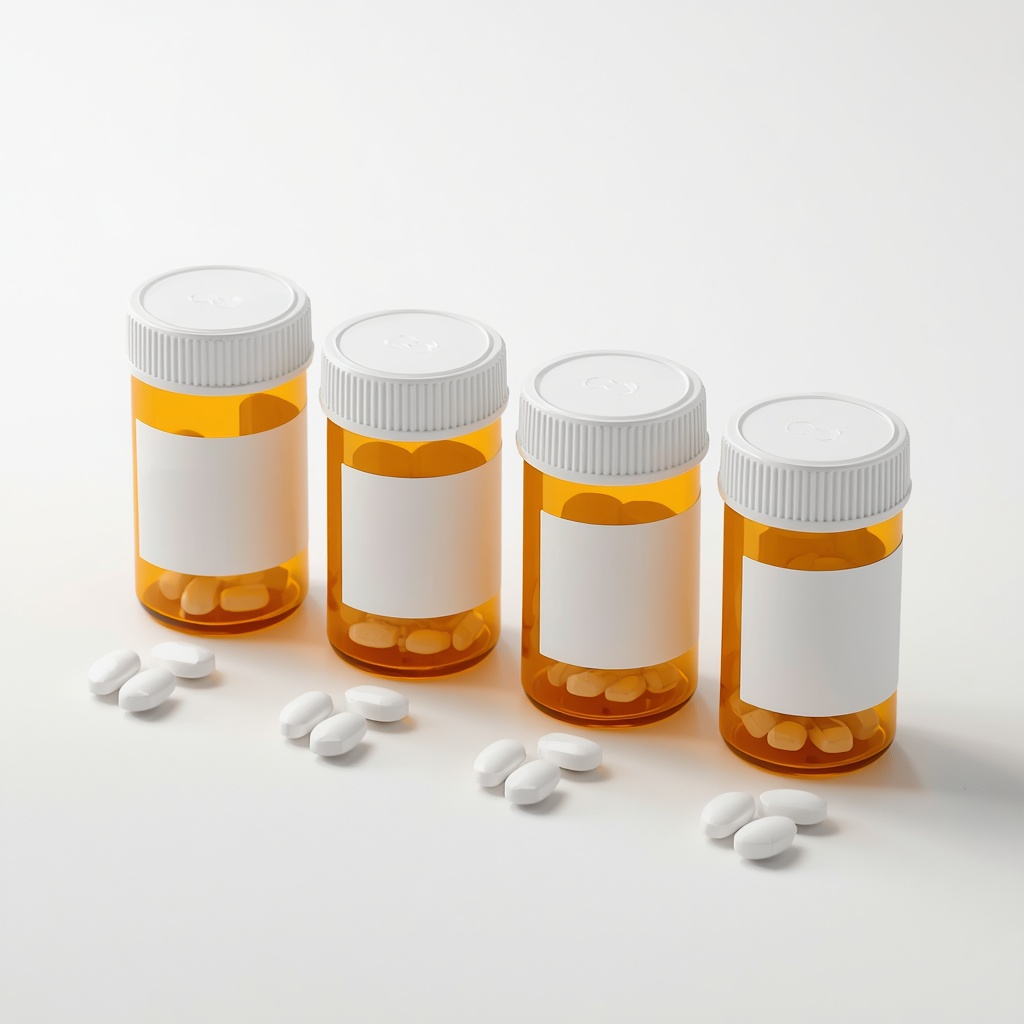
Lipitor is an HMG-CoA reductase inhibitor prescribed at 10 to 80 mg once daily to lower LDL cholesterol and reduce heart attack and stroke risk. It requires a prescription and is taken with or without food at any time of day.
- Dose: 10 to 20 mg once daily initially; 40 to 80 mg for high LDL reduction
- Status: Prescription required, HMG-CoA reductase inhibitor
- Primary warning: Report unexplained muscle pain or weakness immediately
- Half-life: Approximately 14 hours, peak plasma at 1 to 2 hours
VippHealth does not sell medication. We publish facts for patients and caregivers.
What Is Lipitor
Lipitor is the brand name for atorvastatin calcium. It belongs to the HMG-CoA reductase inhibitor class, commonly called statins. The FDA approved atorvastatin in 1996. It remains one of the most prescribed cholesterol-lowering medications worldwide. Lipitor comes as 10mg, 20mg, 40mg and 80mg oral tablets.
Atorvastatin calcium is a white to off-white crystalline powder. It is insoluble in aqueous solutions of pH 4 and below. Oral bioavailability is approximately 14 percent. Peak plasma concentration occurs within 1 to 2 hours. The half-life is approximately 14 hours. Atorvastatin is metabolized primarily by CYP3A4 in the liver. It is excreted in bile and urine. Food does not affect absorption. Lipitor can be taken at any time of day.
How Lipitor Works
Lipitor inhibits HMG-CoA reductase, the enzyme that converts HMG-CoA to mevalonate. This step is rate-limiting in cholesterol biosynthesis. Blocking it reduces hepatic cholesterol production. The liver responds by upregulating LDL receptors on hepatocyte surfaces. These receptors pull LDL cholesterol from the bloodstream. Serum LDL levels fall.
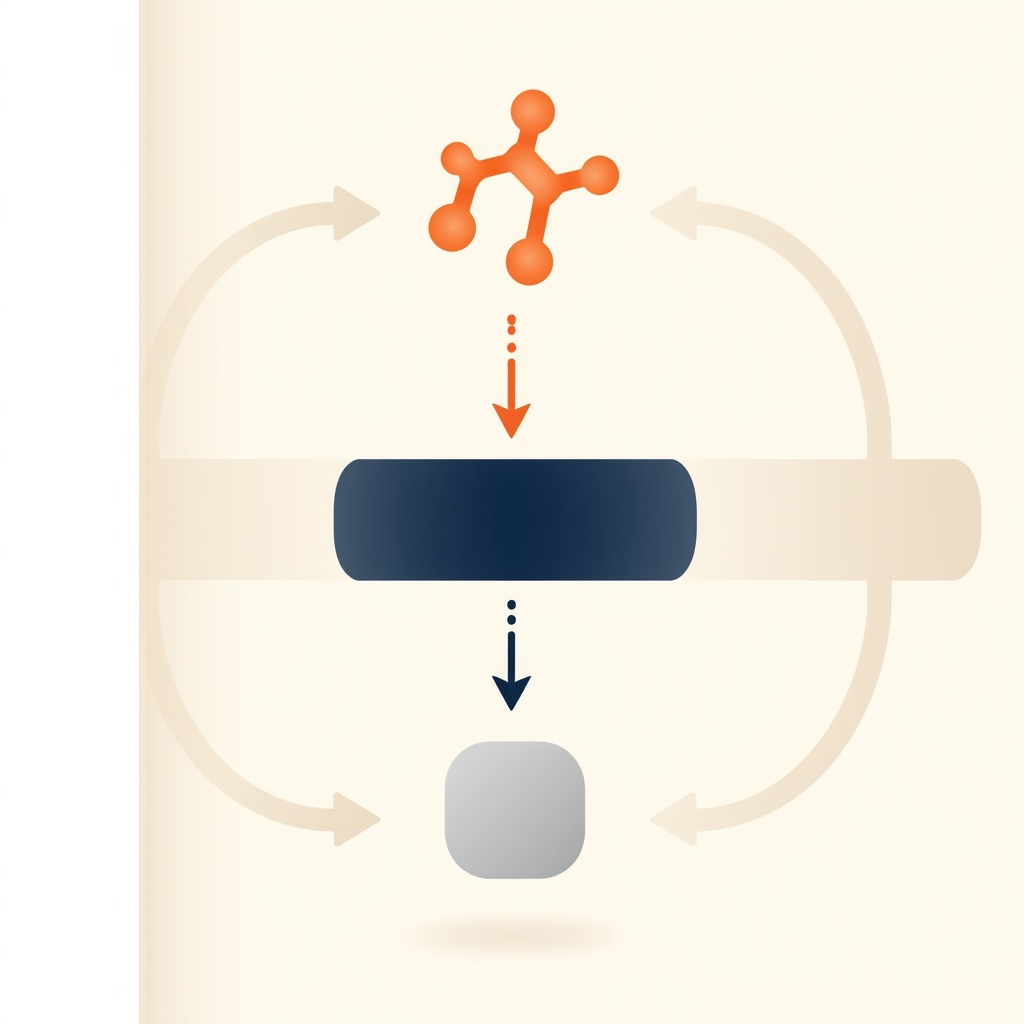
Key mechanisms:
- HMG-CoA reductase inhibition: Blocks the rate-limiting step in hepatic cholesterol synthesis.
- LDL receptor upregulation: The liver increases surface receptors to clear circulating LDL cholesterol.
- Triglyceride reduction: Atorvastatin lowers very-low-density lipoprotein production.
- HDL increase: Modest elevation of high-density lipoprotein occurs in some patients.
Conditions Treated by Lipitor
The FDA approved Lipitor for multiple lipid disorders and cardiovascular risk reduction. Dosing varies by indication and baseline LDL level. Patients with hypertension and high cholesterol may take Lipitor alongside ACE inhibitors such as Lisinopril under physician guidance.
- Primary hyperlipidemia: Reduces elevated total cholesterol, LDL-C, apolipoprotein B and triglycerides. Increases HDL-C in adults with heterozygous familial and nonfamilial hypercholesterolemia.
- Mixed dyslipidemia: Treats Fredrickson Types IIa and IIb. Lowers both cholesterol and triglycerides.
- Hypertriglyceridemia: Reduces elevated serum triglycerides in adults with Fredrickson Type IV.
- Dysbetalipoproteinemia: Treats Fredrickson Type III in adults who do not respond to diet alone.
- Homozygous familial hypercholesterolemia: Reduces total and LDL-C as adjunct to LDL apheresis or when apheresis is unavailable. Dose range is 10 to 80 mg daily.
- Cardiovascular risk reduction: Reduces risk of myocardial infarction, stroke, revascularization and angina in adults with multiple risk factors or established coronary heart disease. Also indicated for type 2 diabetes patients with risk factors.
Lipitor is not indicated for Fredrickson Types I and V where chylomicrons are the primary abnormality. It is not a substitute for diet and exercise.
Lipitor Dosage and Strengths
Lipitor tablets come in four strengths. Dosing is individualized based on baseline LDL, target goals and response. Lipid levels are checked 2 to 4 weeks after initiation or titration.
Available Forms
- 10mg tablets: White, elliptical, film-coated. Coded “PD 155” and “10”.
- 20mg tablets: White, elliptical, film-coated. Coded “PD 156” and “20”.
- 40mg tablets: White, elliptical, film-coated. Coded “PD 157” and “40”.
- 80mg tablets: White, elliptical, film-coated. Coded “PD 158” and “80”.
Standard Adult Dosing
The recommended starting dose is 10 to 20 mg once daily. The dosage range is 10 to 80 mg once daily. Patients who require an LDL-C reduction greater than 45 percent may start at 40 mg once daily. Titrate at intervals of 4 weeks or more. Take at any time of day, with or without food.
For heterozygous familial hypercholesterolemia in pediatric patients aged 10 to 17 years, the starting dose is 10 mg once daily. The range is 10 to 20 mg once daily. For homozygous familial hypercholesterolemia in patients aged 10 years and older, the range is 10 to 80 mg once daily.
Renal Dose Adjustment
Renal disease does not affect atorvastatin plasma concentrations or LDL-C reduction. No dosage adjustment is necessary for renal impairment. Hemodialysis does not significantly enhance clearance due to extensive protein binding.
Missed Dose Instructions
Take the missed dose when you remember if it is the same day. Do not take two doses on the same day. Doubling increases myopathy and hepatotoxicity risk. Resume the normal schedule the next day. Consistency matters more than exact timing.
Side Effects
Most patients tolerate Lipitor well. FDA clinical trials report specific documented incidence rates for common adverse events. Serious adverse events include myopathy, rhabdomyolysis and hepatic dysfunction.
Common Side Effects
Adverse reactions occurring in 2 percent or more of Lipitor patients in placebo-controlled trials include:
- Nasopharyngitis (2 percent or more)
- Arthralgia (2 percent or more)
- Diarrhea (2 percent or more)
- Pain in extremity (2 percent or more)
- Urinary tract infection (2 percent or more)
- Dyspepsia
- Nausea
- Musculoskeletal pain
- Insomnia
Serious Side Effects
Stop taking Lipitor and contact a doctor immediately if you experience:
- Unexplained muscle pain, tenderness or weakness, particularly with fever or malaise. These may signal myopathy or rhabdomyolysis. Risk increases with higher doses, advanced age, uncontrolled hypothyroidism and renal impairment.
- Dark urine or decreased urination. Myoglobin from muscle breakdown damages kidneys. Acute renal failure can develop.
- Yellowing skin, dark urine, severe fatigue or right upper quadrant pain. These indicate hepatotoxicity. Persistent transaminase elevations above 3 times the upper limit of normal occurred in 0.7 percent of clinical trial patients. The incidence was 0.2 percent at 10 mg, 0.2 percent at 20 mg, 0.6 percent at 40 mg and 2.3 percent at 80 mg.
- Severe allergic reaction: facial swelling, difficulty breathing, hives. Seek emergency care immediately.
Who Should Not Take Lipitor
Do not take Lipitor if you have active liver disease or unexplained persistent elevations in hepatic transaminases. Do not take if you have hypersensitivity to atorvastatin or any tablet component. Do not take if you are pregnant or may become pregnant. Do not take if you are breastfeeding.
Do not take Lipitor if you have acute liver failure or decompensated cirrhosis. Women of childbearing age should use effective contraception during treatment. If pregnancy occurs, discontinue immediately and inform your OB-GYN.
Warnings and Precautions
Myopathy and Rhabdomyolysis
Lipitor increases the risk of skeletal muscle effects. Myopathy and rhabdomyolysis have occurred, rarely leading to acute renal failure. Risk factors include age 65 years or greater, uncontrolled hypothyroidism, renal impairment, higher Lipitor dosage and concomitant use with cyclosporine, fibrates, macrolide antibiotics, azole antifungals or HIV protease inhibitors. Temporarily discontinue Lipitor in patients with acute serious conditions predisposing to renal failure. Instruct patients to report unexplained muscle symptoms promptly.
Immun-Mediated Necrotizing Myopathy
Rare reports of IMNM, an autoimmune myopathy, have occurred with statin use. IMNM presents with proximal muscle weakness and elevated creatine kinase persisting despite discontinuation. Discontinue Lipitor if IMNM is suspected. Immunosuppressive therapy may be required.
Hepatotoxicity
Monitor liver enzyme tests before initiating Lipitor and as clinically indicated thereafter. Persistent elevations in hepatic transaminases can occur. Rare postmarketing reports of fatal and non-fatal hepatic failure exist. If serious liver injury with jaundice or hyperbilirubinemia develops, discontinue Lipitor promptly. Do not restart if an alternate etiology is not found.
Diabetes Risk
Increases in HbA1c and fasting serum glucose have been reported with HMG-CoA reductase inhibitors including Lipitor. The risk is higher in patients with pre-existing metabolic syndrome or impaired fasting glucose. Monitor glycemic status during therapy. The cardiovascular benefits of statins generally outweigh this modest diabetes risk.
Hemorrhagic Stroke
A higher incidence of hemorrhagic stroke was observed in patients without coronary heart disease but with a recent stroke or TIA within the previous 6 months who received Lipitor 80 mg versus placebo. Consider this risk when prescribing high-dose atorvastatin in patients with prior cerebrovascular events.
Drug Interactions
Atorvastatin is metabolized by CYP3A4. It is also a substrate of hepatic transporters OATP1B1 and BCRP. Many drugs alter atorvastatin plasma levels. Always provide your doctor with a complete medication list.
- Cyclosporine, tipranavir plus ritonavir, glecaprevir plus pibrentasvir: Avoid atorvastatin. These combinations produce markedly increased statin exposure and severe myopathy risk.
- Clarithromycin, itraconazole, saquinavir plus ritonavir, darunavir plus ritonavir, fosamprenavir, elbasvir plus grazoprevir: Do not exceed 20 mg atorvastatin daily.
- Nelfinavir: Do not exceed 40 mg atorvastatin daily.
- Gemfibrozil, other fibrates, lipid-modifying doses of niacin, colchicine, erythromycin, azole antifungals: Use with caution and the lowest atorvastatin dose necessary. These agents increase myopathy risk.
- Grapefruit juice: Avoid consumption of more than 1.2 liters daily. Large quantities increase atorvastatin plasma levels and myopathy risk.
- Rifampin: May decrease atorvastatin plasma concentrations. Administer simultaneously if co-prescribed.
- Digoxin: Atorvastatin may increase digoxin levels. Monitor appropriately.
- Oral contraceptives: Atorvastatin may increase norethindrone and ethinyl estradiol levels. Consider this when selecting contraceptives.
- Warfarin: Monitor INR when starting or stopping Lipitor. Bleeding risk may change.
Lipitor and Pregnancy
Lipitor is contraindicated during pregnancy. The FDA assigns Category X. Cholesterol and cholesterol derivatives are essential for fetal development. Discontinuing lipid-lowering drugs during pregnancy has little impact on long-term therapy outcomes. There are no adequate well-controlled studies in pregnant women. Rare reports of congenital anomalies followed intrauterine statin exposure.
Women of reproductive potential must use effective contraception during Lipitor treatment. If pregnancy occurs, discontinue immediately and inform the healthcare provider. Lipitor passes into breast milk in small amounts. Breastfeeding is contraindicated during treatment due to potential serious adverse reactions in nursing infants.
Overdose Information
There is no specific treatment for atorvastatin overdose. Symptoms may include severe gastrointestinal distress, muscle pain and liver enzyme elevations. Due to extensive plasma protein binding, hemodialysis does not significantly enhance clearance. Treatment is supportive. Contact poison control at 1-800-222-1222. Seek emergency care for severe symptoms.
Lipitor vs Rosuvastatin
Lipitor and rosuvastatin are both HMG-CoA reductase inhibitors. They differ in potency, metabolism and drug interaction profiles. Rosuvastatin is more potent milligram for milligram. A 10 mg rosuvastatin dose produces LDL reduction comparable to 20 mg atorvastatin.
Lipitor is metabolized by CYP3A4. It has numerous drug interactions. Rosuvastatin undergoes minimal CYP metabolism. It has fewer drug interactions. Lipitor has a longer track record since 1996. Rosuvastatin was approved in 2003. Both reduce cardiovascular events in high-risk patients. Both carry myopathy and hepatotoxicity warnings. Neither is safe during pregnancy. The choice depends on baseline LDL, drug interaction profile and patient tolerance.
Storage and Handling
Store Lipitor tablets at controlled room temperature between 20 degrees Celsius and 25 degrees Celsius. Excursions permitted to 15 to 30 degrees Celsius. Keep tablets in the original container with the desiccant packet. Protect from moisture and light. Keep out of reach of children. Discard expired products.
Frequently Asked Questions
What is Lipitor used for?
Lipitor lowers LDL cholesterol and reduces the risk of heart attack, stroke and revascularization in adults with hyperlipidemia or cardiovascular risk factors. It also treats heterozygous familial hypercholesterolemia in pediatric patients aged 10 years and older.
How fast does Lipitor lower cholesterol?
Lipitor begins reducing LDL cholesterol within 2 weeks. Maximum effect develops by 4 weeks. Doctors recheck lipid panels 2 to 4 weeks after starting or changing the dose. Adjustments occur at 4-week intervals.
What is the usual dose of Lipitor?
The usual starting dose of Lipitor is 10 to 20 mg once daily. Patients needing more than 45 percent LDL reduction may start at 40 mg. The maximum is 80 mg once daily. Pediatric patients with HeFH start at 10 mg.
Does Lipitor cause muscle pain?
Yes, myopathy is a known risk. Unexplained muscle pain, tenderness or weakness require immediate medical attention. Risk increases with higher doses, age over 65, uncontrolled hypothyroidism, renal impairment and certain drug interactions. Arthralgia occurred in 2 percent or more of clinical trial patients.
Can you drink grapefruit juice with Lipitor?
Avoid large quantities of grapefruit juice. Consumption exceeding 1.2 liters daily inhibits CYP3A4 and raises atorvastatin plasma levels. This increases myopathy and rhabdomyolysis risk. Small occasional amounts are unlikely to cause problems.
Is Lipitor safe during pregnancy?
No. Lipitor is contraindicated in pregnancy. The FDA assigns Category X. Cholesterol is essential for fetal development. Discontinue immediately if pregnancy occurs. Use effective contraception during treatment.
Does Lipitor cause diabetes?
Lipitor can raise HbA1c and fasting glucose in some patients. The risk is higher in those with pre-existing metabolic syndrome or impaired fasting glucose. Monitor blood sugar during therapy. Cardiovascular benefits generally outweigh this modest risk.
Can you take Lipitor with alcohol?
Use caution. Alcohol stresses the liver. Lipitor also carries hepatotoxicity risk. Combining the two increases liver damage potential. Patients who consume substantial quantities of alcohol require closer liver enzyme monitoring. Discuss alcohol use with your doctor before starting Lipitor.
What is the difference between Lipitor and Crestor?
Lipitor contains atorvastatin. Crestor contains rosuvastatin. Rosuvastatin is more potent per milligram. Lipitor interacts with more drugs because it uses CYP3A4 metabolism. Crestor uses minimal CYP metabolism. Both lower LDL and reduce cardiovascular risk. Both carry myopathy and liver warnings.
What should I do if I miss a dose?
Take the missed dose when you remember if it is the same day. Do not take two doses on the same day. Doubling increases myopathy and hepatotoxicity risk. Resume the normal schedule the next day. Consistency matters more than exact timing.
Questions about Lipitor?
VippHealth does not sell medication. We publish facts for patients and caregivers. Send corrections or questions to our editorial team.
Email the Editorial TeamSources and References
- U.S. Food and Drug Administration – LIPITOR (atorvastatin calcium) Tablets Prescribing Information, NDA 020702, Revised April 2024
- DailyMed – Atorvastatin Calcium Tablets Drug Label, National Library of Medicine, Updated 2024
- PubMed – Baigent C et al. Efficacy and safety of cholesterol-lowering treatment: prospective meta-analysis of data from 90,056 participants in 14 randomised trials of statins. Lancet. 2005
- PMC – Sirtori CR. The pharmacology of statins. Pharmacol Res. 2014
- American Heart Association – Statin Therapy for ASCVD Risk Reduction: Clinical Guidelines, 2023
Editorial Standards
Our team reviews medical literature and FDA labeling to write each guide. We do not sell medication. It is not reviewed by a licensed pharmacist or physician.
Medical Disclaimer
This page is for education only. It does not replace advice from your doctor. Never start, stop, or change a dose of atorvastatin without medical guidance.
Emergency Notice
Call 911 for severe allergic reactions, chest pain, or difficulty breathing. Call Poison Control at 1-800-222-1222 for a suspected overdose.