
PRESCRIPTION REQUIRED – Last updated:
Written and fact-checked by VippHealth Editorial Team from FDA labeling and clinical references. About our editorial process
Stromectol
Stromectol contains ivermectin, an antiparasitic agent that paralyzes nematode nerve and muscle cells by binding to glutamate-gated chloride channels. It is prescribed for strongyloidiasis and onchocerciasis and requires a prescription.
- Dose: 150 to 200 mcg per kg as a single oral dose, based on indication
- Status: Prescription required, antiparasitic agent
- Primary use: Strongyloidiasis and onchocerciasis (river blindness)
- Half-life: 18 hours in adults, peak plasma at 4 hours
What Is Stromectol
Stromectol is an antiparasitic medication containing ivermectin. The FDA approved it for two helminth infections: strongyloidiasis of the intestinal tract and onchocerciasis, also called river blindness. Stromectol tablets contain 3mg or 6mg of ivermectin. Generic versions are widely available worldwide.
Ivermectin is a semi-synthetic derivative of avermectins. These are macrocyclic lactones produced by Streptomyces avermitilis. Oral bioavailability is 60 percent. Peak plasma concentration occurs within 4 hours. Food reduces absorption. Patients should take Stromectol on an empty stomach with water.
The FDA approved Stromectol in 1996. It belongs to the avermectin class. Ivermectin binds selectively to glutamate-gated chloride channels in invertebrates. Mammals lack these channels. Ivermectin does not readily cross the blood-brain barrier in humans. This selective toxicity gives Stromectol a favorable safety profile.
How Stromectol Works
Ivermectin binds to glutamate-gated chloride ion channels in nematode nerve and muscle cells. This increases membrane permeability to chloride ions significantly. The cell hyperpolarizes and the parasite becomes paralyzed. Death follows within hours of exposure to ivermectin in susceptible organisms.
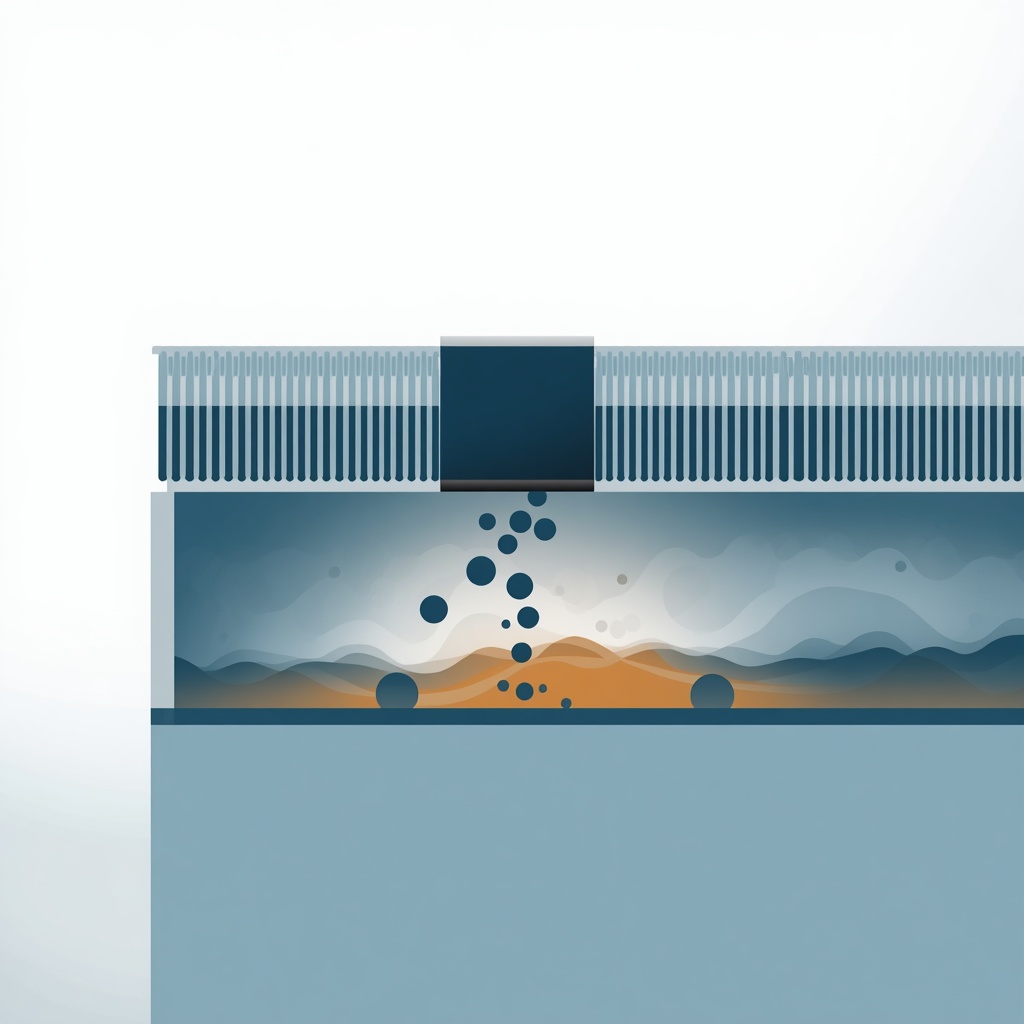
Mammals do not have glutamate-gated chloride channels. Ivermectin has low affinity for mammalian ligand-gated channels. It does not readily cross the blood-brain barrier. This explains the wide therapeutic window. Ivermectin is active against microfilariae of Onchocerca volvulus. It is not active against adult worms. It is active against intestinal stages of Strongyloides stercoralis.
Key mechanisms:
- Glutamate channel binding: Selective for invertebrate chloride channels. Paralysis occurs within hours.
- Microfilaricidal action: Kills larval stages of Onchocerca volvulus in skin and eyes.
- Intestinal nematode clearance: Eliminates Strongyloides stercoralis from the gastrointestinal tract.
- Immune modulation: Suppresses inflammatory cytokines including TNF-alpha and interleukin-6.
Conditions Treated by Stromectol
The FDA approved Stromectol for two specific parasitic infections. Each requires confirmed diagnosis before treatment initiation. Strongyloidiasis and onchocerciasis are the primary indications. Both require laboratory confirmation and specialist medical evaluation before prescribing ivermectin therapy to any affected adult patients.
- Strongyloidiasis: Intestinal infection by Strongyloides stercoralis. Common in tropical and subtropical regions. A single 200 mcg per kg dose cures 64 to 100 percent of patients. Follow-up stool exams verify clearance.
- Onchocerciasis: Infection by Onchocerca volvulus transmitted by black flies. A single 150 mcg per kg dose reduces skin microfilariae by 83.2 percent at 3 days and 99.5 percent at 3 months. Retreatment occurs every 12 months. Stromectol does not kill adult worms. Nodulectomy removes palpable nodules.
Doctors sometimes prescribe ivermectin off-label for scabies and head lice. These uses are not FDA-approved. Patients taking antibiotics for bacterial co-infection should tell their doctor before starting Stromectol. Antibiotics and antiparasitics target different organisms.
Stromectol Dosage and Strengths
Available Forms
Manufacturers produce ivermectin as oral tablets. Two strengths exist.
- 3mg tablets: Round, white to off-white. Used for patients under 25 kg or for precise weight-based titration.
- 6mg tablets: Round, scored. Used for standard adult dosing and patients over 25 kg.
Standard Adult Dosing
For strongyloidiasis, the dose is 200 mcg per kg as a single oral dose. Take on an empty stomach with water. A 60 kg adult takes 12 mg. An 80 kg adult takes 16 mg. Follow-up stool examinations confirm eradication. Additional doses are usually unnecessary.
For onchocerciasis, the dose is 150 mcg per kg as a single oral dose. Take on an empty stomach with water. A 60 kg adult takes 9 mg. An 80 kg adult takes 12 mg. Retreatment occurs every 12 months in mass distribution programs. Individual patients may receive retreatment at 3-month intervals.
For pediatric patients, dosing follows the same weight-based calculation. Children under 15 kg require careful tablet splitting. Safety in infants under 5 years has not been established.
Missed Dose Instructions
Stromectol is usually a single-dose regimen. If you miss a scheduled follow-up dose, take it when you remember. Do not double the dose. Doubling increases side effect risk without improving parasite clearance. Resume the prescribed schedule.
Side Effects
Most patients tolerate Stromectol well during treatment. Mild effects usually resolve within 48 hours without medical intervention. FDA clinical trials report specific incidence rates for itching, dizziness and edema in onchocerciasis patients. Serious adverse events include Mazzotti reaction and neurotoxicity.
Common Side Effects
Most patients tolerate Stromectol well. Mild effects usually resolve within 48 hours:
- Itching (2.5 percent of onchocerciasis patients)
- Dizziness (1.8 percent)
- Edema or fluid retention (1.5 percent)
- Tachycardia or fast heartbeat (1.2 percent)
- Diarrhea
- Nausea
Serious Side Effects
Stop taking Stromectol and contact a doctor immediately if you experience:
- Mazzotti reaction: severe itching, rash, fever, muscle pain, swollen lymph nodes, low blood pressure. This occurs mainly in onchocerciasis patients. It results from inflammatory response to dying microfilariae. Oral hydration and corticosteroids treat severe cases.
- Neurotoxicity: confusion, drowsiness, stupor or coma. Risk increases in patients with high Loa loa microfilarial density. Loa loa encephalopathy is rare but potentially fatal.
- Severe skin reaction: blistering, peeling skin, mouth sores. Possible Stevens-Johnson syndrome or toxic epidermal necrolysis.
- Seizures or altered consciousness.
- Hepatitis: yellowing skin, dark urine, severe abdominal pain.
Who Should Not Take Stromectol
Do not take Stromectol if you have hypersensitivity to ivermectin or any tablet component. Do not take if you have significant exposure to Loa loa-endemic areas without pretreatment assessment. High Loa loa microfilarial density increases serious encephalopathy risk significantly in patients.
Avoid Stromectol during pregnancy unless no alternative exists. Data in pregnant women are limited. Ivermectin crosses the placenta. Patients using acetaminophen regularly should disclose this to their doctor. Both drugs stress the liver in high-risk patients.
Warnings and Precautions
Patients with onchocerciasis may experience Mazzotti reactions after the first dose. Symptoms include pruritus, rash, fever, malaise, arthralgia and hypotension. Mild cases resolve with antihistamines. Severe cases require intravenous saline and corticosteroids. Patients with hyperreactive onchodermatitis (sowda) are at higher risk.
Loa loa co-infection requires caution. Patients with Loa loa microfilarial density above 10,000 per mL face serious or fatal encephalopathy. Pretreatment assessment and post-treatment follow-up are essential in endemic areas.
Monitor liver function in patients with pre-existing hepatic disease. Rare cases of hepatitis and elevated liver enzymes have occurred. Stop Stromectol if jaundice or marked enzyme elevation develops.
Patients with severe immunosuppression may require repeated dosing. HIV-positive patients and those on chronic corticosteroids may not clear Strongyloides with a single dose. Compared to tetracycline antibiotics, Stromectol targets parasites rather than bacteria. Both require prescription monitoring.
Drug Interactions
Stromectol interacts with several medication classes that affect blood clotting, liver metabolism or central nervous function. Always provide your doctor with a complete medication list before starting ivermectin therapy. CYP3A4 inducers and inhibitors alter ivermectin plasma levels significantly during treatment.
- Warfarin: Post-marketing reports show increased INR. Monitor closely.
- CYP3A4 inducers (rifampin, phenytoin, phenobarbital): May reduce ivermectin plasma levels.
- CYP3A4 inhibitors (ketoconazole, erythromycin): May increase ivermectin plasma levels.
- Sedatives and CNS depressants: Additive effect if neurotoxicity occurs.
- Immunosuppressants: May reduce parasite clearance. Repeated dosing may be necessary.
Stromectol and Pregnancy
Ivermectin crosses the placenta and enters fetal circulation. Animal studies show no teratogenic effects at standard doses. Human data are limited. The FDA assigns Category C to ivermectin. Use only if the potential benefit justifies the risk to the fetus. Avoid during the first trimester if possible.
Ivermectin passes into breast milk in small amounts. Infant exposure is low. Monitor breastfed infants for diarrhea or poor feeding. Consult a pediatrician before nursing while on Stromectol.
Overdose Information
Overdose symptoms include severe dizziness, nausea, vomiting, diarrhea, hypotension and altered consciousness. Neurotoxicity may progress to coma without immediate medical intervention. Treatment is supportive and requires hospitalization. Intravenous fluids maintain blood pressure. Contact poison control at 1-800-222-1222 for guidance immediately.
Stromectol vs Albendazole
Stromectol and albendazole are both antiparasitic agents used for helminth infections. They differ in mechanism, spectrum and specific dosing regimen. Stromectol binds to glutamate-gated chloride channels in nematodes. Albendazole inhibits tubulin polymerization and blocks glucose uptake in parasitic helminth organisms.
Stromectol binds to glutamate-gated chloride channels. It paralyzes nematodes. Albendazole inhibits tubulin polymerization. It blocks glucose uptake in parasites. Stromectol is a single-dose regimen for strongyloidiasis. Albendazole requires 400 mg twice daily for 3 days.
Stromectol is more effective against onchocerciasis microfilariae. Albendazole is preferred for ascariasis, hookworm and trichuriasis. Both require weight-based dosing. Both are prescription medications. Both carry pregnancy Category C warnings.
Storage and Handling
Store Stromectol tablets below 30 degrees Celsius in a dry place. Keep away from moisture and heat. Do not store in the bathroom. Keep out of reach of children and pets. Discard expired products. Do not use if the seal is broken.
Frequently Asked Questions
Is Stromectol an antibiotic?
No. Stromectol is an antiparasitic agent. Antibiotics kill bacteria. Stromectol kills parasitic worms and microfilariae. It works through a completely different mechanism.
How fast does Stromectol work?
Skin microfilariae counts drop by 83.2 percent within 3 days. They fall by 99.5 percent within 3 months. Intestinal Strongyloides clear within 1 to 2 weeks. Follow-up stool exams confirm eradication.
Can you take Stromectol with food?
No. Take Stromectol on an empty stomach with water. Food reduces absorption. Wait at least 1 hour before or 2 hours after a meal. This ensures maximum plasma concentration.
What is the Mazzotti reaction?
The Mazzotti reaction is an inflammatory response to dying microfilariae. It occurs mainly in onchocerciasis patients. Symptoms include severe itching, rash, fever, swollen lymph nodes and low blood pressure. Mild cases resolve with antihistamines. Severe cases need intravenous fluids and corticosteroids.
Does Stromectol kill adult worms?
No. Stromectol kills microfilariae but not adult Onchocerca volvulus worms. Adult parasites live in subcutaneous nodules. They continue producing larvae. Retreatment every 12 months is necessary. Surgical nodulectomy removes adult worms in some cases.
Can Stromectol treat scabies?
Doctors sometimes prescribe ivermectin off-label for scabies. The usual dose is 200 mcg per kg. A second dose follows in 7 to 14 days. This use is not FDA-approved. Topical permethrin remains the first-line treatment.
Is Stromectol safe for children?
Stromectol is approved for children 5 years and older with confirmed strongyloidiasis or onchocerciasis. Dosing is weight-based. Safety in infants under 5 years has not been established. Pediatric use requires specialist supervision.
Does Stromectol interact with warfarin?
Yes. Post-marketing reports show increased INR when ivermectin is combined with warfarin. Monitor INR closely. Your doctor may adjust the warfarin dose. Report any unusual bleeding or bruising immediately.
Can you drink alcohol while taking Stromectol?
Avoid alcohol during treatment. Alcohol increases liver stress. It may worsen dizziness and nausea. It also raises the risk of hypotension. Wait at least 48 hours after your dose before drinking alcohol.
What should I do if I miss a follow-up dose?
Take the missed dose when you remember. Do not double the dose. Doubling increases side effect risk without improving clearance. Resume the normal schedule. Contact your doctor if you miss multiple doses.
Questions about Stromectol?
VippHealth does not sell medication. We publish facts for patients and caregivers. Send corrections or questions to our editorial team.
Email the Editorial TeamEditorial Standards: Our team reviews medical literature and FDA labeling to produce accurate patient guides. We do not sell medication. Content is written and fact-checked by the VippHealth Editorial Team. Last updated on August 2, 2026. We regularly update this page to reflect the latest FDA guidelines and clinical research on parasitic infections.
Important Medical Disclaimer
This guide provides educational content only. It does not replace medical advice. Talk to your doctor before starting or stopping any medication. Do not use this site to diagnose or treat any condition. It is not reviewed by a licensed pharmacist or physician.
Emergency Notice: If you experience severe skin rash with blistering, difficulty breathing, confusion, seizures or severe dizziness after taking Stromectol, seek emergency care immediately. For suspected overdose, contact Poison Control at 1-800-222-1222 or call 911.
Sources and References
- U.S. Food and Drug Administration – STROMECTOL (ivermectin) Tablets Prescribing Information, NDA 050742
- DailyMed – Ivermectin Tablets Drug Label, National Library of Medicine, Updated February 2026
- PubMed – Ottesen EA et al. The Mazzotti reaction following treatment of onchocerciasis. Trop Med Parasitol. 1985
- PMC – Boussinesq M et al. Serious adverse reactions associated with ivermectin. PLoS Negl Trop Dis. 2021
- Drugs.com – Ivermectin: Uses, Dosage, Side Effects, Warnings. Updated August 2025