Prescription Required – Boxed Warning
Written and fact-checked by VippHealth Editorial Team from FDA labeling and clinical references. Last updated: . About our editorial process
Mobic (Meloxicam)
Mobic contains meloxicam, a nonsteroidal anti-inflammatory drug that inhibits COX-1 and COX-2 enzymes to reduce pain and inflammation in osteoarthritis and rheumatoid arthritis. It requires a prescription and is available as 7.5mg and 15mg tablets and oral suspension.
- Dose: 7.5mg once daily; 15mg maximum for OA/RA; 7.5mg for JRA ≥60 kg
- Status: Prescription required, NSAID, not interchangeable with other meloxicam formulations
- Primary use: Osteoarthritis, rheumatoid arthritis, juvenile rheumatoid arthritis
- Half-life: 15 to 20 hours, steady state in 3 to 5 days
What Is Mobic
Mobic is the brand name for meloxicam, a nonsteroidal anti-inflammatory drug in the oxicam class. The FDA approved it for osteoarthritis, rheumatoid arthritis and juvenile rheumatoid arthritis in patients weighing 60 kilograms or more. It is available as 7.5mg and 15mg tablets and 7.5mg per 5mL oral suspension. Generic meloxicam is available but is not interchangeable with Mobic tablets.
Meloxicam is a pastel yellow solid. It is practically insoluble in water. Oral bioavailability is nearly complete. Peak plasma concentration occurs within 5 to 6 hours under fasted conditions. Food does not significantly affect absorption. Meloxicam is more than 99.5 percent bound to plasma proteins. It is metabolized in the liver to four inactive metabolites. Elimination occurs equally in urine and feces. The mean elimination half-life ranges from 15 hours to 20 hours. Plasma clearance is 7 to 9 mL per minute.
How Mobic Works
Meloxicam inhibits cyclooxygenase-1 and cyclooxygenase-2 enzymes. This reduces prostaglandin synthesis in peripheral tissues. Prostaglandins sensitize pain receptors and mediate inflammation. By blocking their production, meloxicam reduces pain, swelling and joint stiffness. Meloxicam preferentially inhibits COX-2 over COX-1 at therapeutic doses.
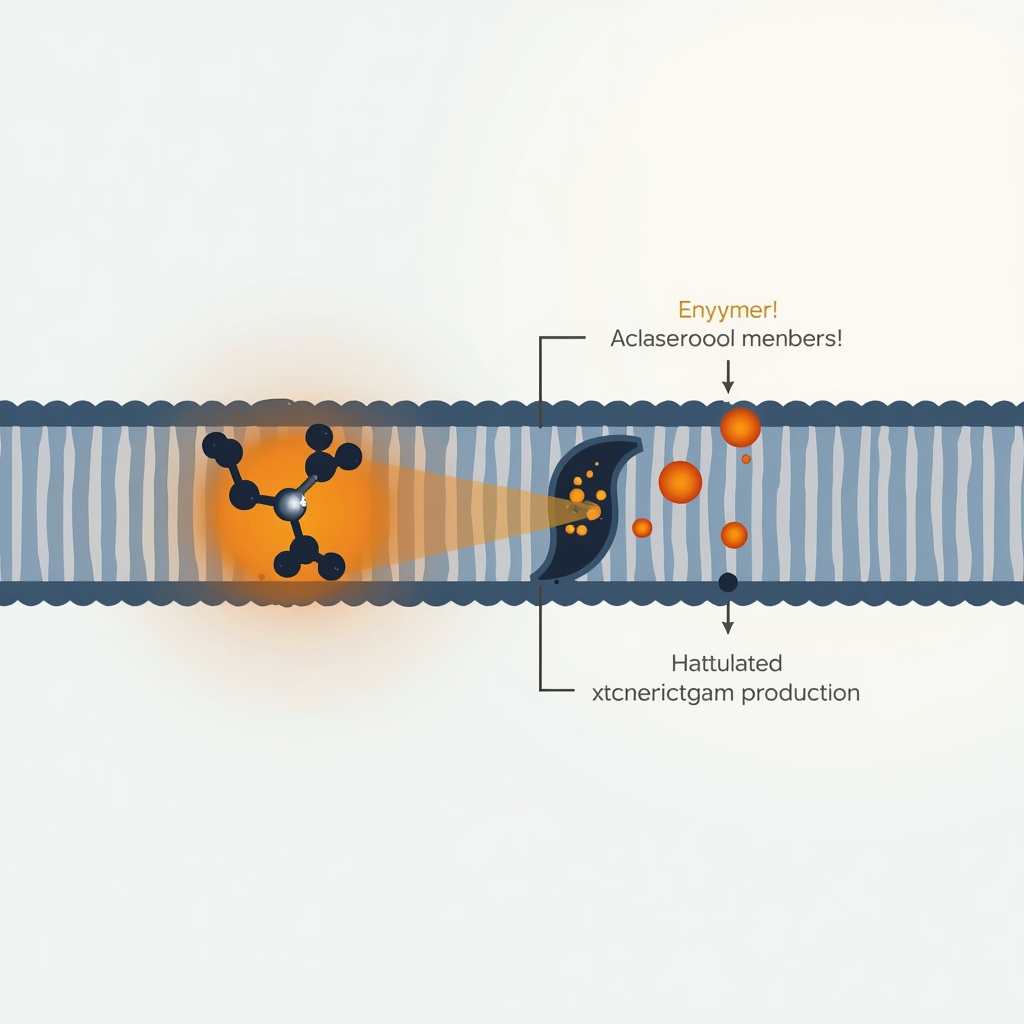
Key mechanisms:
- COX enzyme inhibition: Blocks COX-1 and COX-2. Reduces prostaglandin production.
- Prostaglandin reduction: Decreases sensitization of pain receptors in peripheral tissues.
- Anti-inflammatory action: Lowers mediators of inflammation in synovial fluid and joints.
- COX-2 preferential: Higher selectivity for COX-2 may reduce GI toxicity compared to non-selective NSAIDs.
Conditions Treated by Mobic
The FDA approved meloxicam for three primary indications. It relieves signs and symptoms of osteoarthritis and rheumatoid arthritis in adults. It also treats pauciarticular and polyarticular course juvenile rheumatoid arthritis in children weighing at least 60 kilograms. Meloxicam is not approved for children under 60 kilograms.
- Osteoarthritis: Reduces joint pain, stiffness and swelling in degenerative joint disease. Improves physical function in knees, hips and hands.
- Rheumatoid arthritis: Decreases morning stiffness and joint tenderness in autoimmune inflammatory arthritis. Used as adjunctive therapy with disease-modifying antirheumatic drugs.
- Juvenile rheumatoid arthritis: Approved for pauciarticular and polyarticular course JRA in patients weighing 60 kilograms or more. Dosing is 7.5mg once daily.
Meloxicam is not indicated for acute pain, gout flares or postoperative pain management. It is not a disease-modifying antirheumatic drug. It does not halt joint destruction in rheumatoid arthritis. Patients with acute injuries should discuss alternative therapy with their physician.
Mobic Dosage and Strengths
The recommended starting dose for osteoarthritis and rheumatoid arthritis is 7.5mg once daily. Some patients may benefit from increasing to 15mg once daily. The maximum daily dose is 15mg regardless of formulation. For juvenile rheumatoid arthritis in patients weighing 60 kilograms or more, the dose is 7.5mg once daily.
Available Forms
- 7.5mg tablets: Pastel yellow, round, biconvex, uncoated. Imprinted with Boehringer Ingelheim logo and “M”.
- 15mg tablets: Pastel yellow, oblong, biconvex, uncoated. Imprinted with “15” and “M”.
- Oral suspension: 7.5mg per 5mL. Contains sorbitol. Shake well before use.
Mobic tablets are not interchangeable with other approved formulations of oral meloxicam. Even if the total milligram strength is identical, systemic exposure differs. Do not substitute similar dose strengths of Mobic tablets with other meloxicam products.
Standard Adult Dosing
For osteoarthritis, start with 7.5mg once daily. Increase to 15mg once daily if additional benefit is needed. Do not exceed 15mg per day. Higher doses increase the risk of serious gastrointestinal events.
For rheumatoid arthritis, start with 7.5mg once daily. Increase to 15mg once daily based on clinical response. Use the lowest effective dose for the shortest duration consistent with individual treatment goals.
Mobic may be taken without regard to timing of meals. Take with food if stomach upset occurs. This does not eliminate the risk of GI bleeding or ulceration.
Renal Dose Adjustment
Mobic is not recommended for patients with severe renal impairment. In patients on hemodialysis, the maximum daily dosage is 7.5mg. Monitor renal function in elderly patients, those with dehydration or hypovolemia, and patients on diuretics. Avoid use in advanced renal disease unless benefits outweigh risks.
Missed Dose Instructions
Take the missed dose when you remember. Skip it if the next dose is within 6 hours. Do not double the dose. Doubling increases gastrointestinal bleeding and cardiovascular risk. Resume the normal schedule. Consistency matters more than exact timing.
Side Effects
Most patients tolerate meloxicam well. The most common adverse events are diarrhea, upper respiratory tract infection, dyspepsia and influenza-like symptoms. These occurred in 5 percent or more of patients and exceeded placebo rates in clinical trials. Serious adverse events include cardiovascular thrombosis, gastrointestinal bleeding and hepatotoxicity.
Common Side Effects
Adverse events occurring in 2 percent or more of Mobic patients in 12-week osteoarthritis placebo-controlled trials:
- Diarrhea (7.8 percent at 7.5mg; 3.2 percent at 15mg)
- Dyspepsia (4.5 percent at 7.5mg; 4.5 percent at 15mg)
- Nausea (3.9 percent at 7.5mg; 3.8 percent at 15mg)
- Upper respiratory tract infection (3.2 percent at 7.5mg; 1.9 percent at 15mg)
- Headache (7.8 percent at 7.5mg; 8.3 percent at 15mg)
- Influenza-like symptoms (4.5 percent at 7.5mg; 5.8 percent at 15mg)
- Edema (1.9 percent at 7.5mg; 4.5 percent at 15mg)
- Dizziness (2.6 percent at 7.5mg; 3.8 percent at 15mg)
- Rash (2.6 percent at 7.5mg; 0.6 percent at 15mg)
- Abdominal pain (1.9 percent at 7.5mg; 2.6 percent at 15mg)
Serious Side Effects
Stop taking Mobic and contact a doctor immediately if you experience:
- Chest pain, shortness of breath, weakness or slurred speech. These may signal myocardial infarction or stroke. NSAIDs increase cardiovascular thrombotic event risk.
- Black tarry stools, vomiting blood or severe abdominal pain. These indicate gastrointestinal bleeding or perforation. Events can occur without warning.
- Yellowing skin, dark urine, severe fatigue or right upper quadrant tenderness. These suggest hepatotoxicity. Stop meloxicam immediately if liver dysfunction develops.
- Swelling of the face, lips or throat, difficulty breathing or hives. These indicate anaphylaxis. Seek emergency care immediately.
- Widespread skin rash, blistering or peeling. These signal Stevens-Johnson syndrome, toxic epidermal necrolysis or DRESS. Stop Mobic and seek emergency care.
- Reduced urination, swelling in legs or sudden weight gain. These indicate renal toxicity or heart failure exacerbation.
Who Should Not Take Mobic
Do not take Mobic if you have hypersensitivity to meloxicam or any tablet component. Avoid it if you have a history of asthma, urticaria or allergic reactions after aspirin or other NSAIDs. Mobic is contraindicated in the setting of coronary artery bypass graft surgery due to increased cardiovascular risk.
Do not take Mobic if you have experienced serious skin reactions such as exfoliative dermatitis, Stevens-Johnson syndrome or toxic epidermal necrolysis with any NSAID. Avoid concurrent use with other NSAIDs or salicylates including diflunisal and salsalate. This combination increases gastrointestinal toxicity without improving efficacy.
Warnings and Precautions
Mobic carries a black box warning for serious cardiovascular and gastrointestinal events. NSAIDs increase the risk of myocardial infarction, stroke and fatal GI bleeding. These events can occur without warning at any time during treatment. Elderly patients and those with prior ulcer disease face the highest risk.
Cardiovascular Thrombotic Events
NSAIDs cause an increased risk of serious cardiovascular thrombotic events including myocardial infarction and stroke. Risk may occur early in treatment and increases with duration. Patients with cardiovascular disease or risk factors are at greater risk. Mobic is contraindicated for peri-operative pain in CABG surgery. Use the lowest effective dose for the shortest duration possible.
Gastrointestinal Bleeding, Ulceration and Perforation
NSAIDs cause an increased risk of serious GI adverse events including bleeding, ulceration and perforation of the stomach or intestines. These events can be fatal. They can occur at any time during use and without warning symptoms. Elderly patients and those with a prior history of peptic ulcer disease or GI bleeding are at greater risk. Use the lowest effective dose. Consider gastroprotective agents in high-risk patients.
Hepatotoxicity
Monitor liver function tests before starting long-term therapy and periodically thereafter. Stop Mobic if transaminases rise significantly or if jaundice develops. Inform patients of warning signs including nausea, fatigue, pruritus and right upper quadrant tenderness. Most cases resolve after discontinuation.
Hypertension and Heart Failure
NSAIDs can elevate blood pressure and reduce the effectiveness of antihypertensive medications. Monitor blood pressure regularly. Avoid Mobic in patients with severe heart failure unless benefits outweigh the risk of worsening heart failure. Watch for edema, unexplained weight gain and shortness of breath.
Renal Toxicity
Monitor renal function in patients with renal or hepatic impairment, heart failure, dehydration or hypovolemia. NSAIDs reduce renal blood flow and can precipitate acute kidney injury. Avoid use in advanced renal disease. Elderly patients on diuretics require particular caution.
Anaphylactic Reactions and Asthma
Mobic is contraindicated in patients with aspirin-sensitive asthma. Severe anaphylactic reactions can occur in patients with prior hypersensitivity to aspirin or NSAIDs. Seek emergency help immediately if difficulty breathing or facial swelling occurs. Monitor patients with preexisting asthma who do not have aspirin sensitivity.
Serious Skin Reactions
Discontinue Mobic at the first appearance of skin rash or fever. NSAIDs have caused exfoliative dermatitis, Stevens-Johnson syndrome and toxic epidermal necrolysis. These can be fatal. The 2024 FDA label update added fixed drug eruption and generalized bullous fixed drug eruption as newly identified risks.
Hematologic Toxicity
Monitor hemoglobin or hematocrit in patients with signs of anemia. NSAIDs may cause occult bleeding leading to iron deficiency. Long-term therapy requires periodic blood counts. Patients on anticoagulants face compounded bleeding risk.
Fetal Toxicity
Avoid Mobic after 30 weeks gestation. NSAIDs cause premature closure of the fetal ductus arteriosus and oligohydramnios. Limit use between 20 and 30 weeks due to fetal renal dysfunction risk. Meloxicam may cause reversible delay in ovulation in women who desire pregnancy.
Drug Interactions
Meloxicam interacts with several medication classes that affect blood pressure, bleeding risk and renal function. Always provide your doctor with a complete medication list before starting Mobic. Concurrent use with other NSAIDs, aspirin or anticoagulants increases bleeding risk. ACE inhibitors, ARBs and diuretics may lose efficacy.
- Warfarin, aspirin, SSRIs, SNRIs: Increased bleeding risk. Monitor for signs of GI bleeding. Concomitant aspirin use is not generally recommended.
- ACE inhibitors, ARBs, beta-blockers: NSAIDs reduce antihypertensive effect. Monitor blood pressure. In elderly or volume-depleted patients, renal function may deteriorate.
- Diuretics (furosemide, thiazides): NSAIDs reduce natriuretic effect. Monitor diuretic efficacy and blood pressure.
- Lithium: Meloxicam increases lithium plasma levels. Monitor lithium levels and adjust dose.
- Methotrexate: NSAIDs may reduce methotrexate clearance. Monitor methotrexate levels in high-dose therapy.
- Other NSAIDs or salicylates: Not recommended. Increases GI toxicity without added efficacy.
- Sodium polystyrene sulfonate (oral suspension): Sorbitol in Mobic oral suspension may cause intestinal necrosis when combined with this resin. Avoid concurrent use.
- Pemetrexed: Meloxicam may increase pemetrexed-associated myelosuppression, renal and GI toxicity. Patients should interrupt meloxicam for at least five days before, the day of, and two days following pemetrexed administration. Not recommended if creatinine clearance is below 45 mL per minute.
Mobic and Pregnancy
Avoid Mobic after 30 weeks of gestation. NSAIDs cause premature closure of the fetal ductus arteriosus and oligohydramnios. Limit use between 20 and 30 weeks due to fetal renal dysfunction risk. Meloxicam may cause reversible infertility in women who desire pregnancy. Use caution during breastfeeding.
Starting at 30 weeks gestation, Mobic should be avoided. The risk of premature ductus arteriosus closure increases in the third trimester. Between 20 and 30 weeks, limit use to the shortest duration and lowest dose. Monitor for oligohydramnios if treatment continues beyond 48 hours. First trimester data are limited. Discuss risks with your OB-GYN before conception.
Meloxicam passes into breast milk. Caution is advised during breastfeeding. The amount transferred is low but not zero. Discuss risks and benefits with your pediatrician. Short-term use at the lowest dose may be acceptable in some cases.
Overdose Information
Overdose symptoms include nausea, vomiting, epigastric pain, drowsiness and lethargy. Very high doses may cause gastrointestinal bleeding, acute renal failure and respiratory depression. Treatment is supportive and requires immediate medical attention. Contact poison control at 1-800-222-1222. Seek emergency care for severe symptoms.
There is no specific antidote for meloxicam overdose. Activated charcoal may be used within 1 hour of ingestion. Supportive measures include gastric lavage, intravenous fluids and correction of electrolyte abnormalities. Monitor renal function and blood counts. Hemodialysis does not effectively remove meloxicam due to high protein binding.
Mobic vs Naproxen
Mobic and naproxen are both nonsteroidal anti-inflammatory drugs. They differ in COX selectivity, dosing frequency and cardiovascular risk profiles. Mobic preferentially inhibits COX-2 and is dosed once daily. Naproxen non-selectively inhibits both COX-1 and COX-2 and typically requires twice-daily dosing.
Mobic has a longer half-life of 15 to 20 hours. This allows once-daily dosing and improves adherence. Naproxen has a half-life of 12 to 15 hours and requires twice-daily administration for sustained effect. Both carry FDA black box warnings for cardiovascular and GI events.
Some studies suggest meloxicam may have a lower incidence of GI ulceration than non-selective NSAIDs like naproxen at equivalent anti-inflammatory doses. However, all NSAIDs carry significant GI bleeding risk. The choice depends on patient risk factors, comorbidities and prior NSAID tolerance. Neither is safe for long-term use without medical supervision.
Storage and Handling
Store Mobic tablets at 25 degrees Celsius with excursions permitted to 15 to 30 degrees Celsius. Keep tablets in a dry place in a tight container. Keep oral suspension tightly closed. Do not store in the bathroom. Keep out of reach of children. Discard expired products.
Protect Mobic tablets from moisture. Do not remove the desiccant packet from the bottle. Store oral suspension between 15 and 30 degrees Celsius. Shake well before each use. Discard unused suspension according to the manufacturer’s expiration date. Do not freeze.
Frequently Asked Questions
Is Mobic a steroid?
No. Mobic is an NSAID. It is not a corticosteroid. Steroids suppress immune response broadly. NSAIDs inhibit prostaglandin synthesis through COX enzyme blockade. Both reduce inflammation but through different mechanisms.
How long does Mobic take to work?
Pain relief begins within 30 minutes to 1 hour after a dose. Anti-inflammatory effects develop over several days. Steady-state plasma concentrations are reached within 3 to 5 days of daily dosing. Full clinical benefit may take 1 to 2 weeks.
Can you take Mobic with ibuprofen?
No. Do not combine Mobic with ibuprofen or other NSAIDs. Concurrent use increases gastrointestinal bleeding, ulceration and perforation risk. It provides little additional pain relief. Choose one NSAID and use the lowest effective dose.
Can you drink alcohol with Mobic?
Avoid alcohol. Alcohol irritates the gastric mucosa. Mobic also increases GI bleeding risk. Combining the two raises the chance of stomach ulcers and bleeding. Even moderate drinking adds risk during NSAID therapy.
Does Mobic raise blood pressure?
Yes. Mobic can elevate blood pressure. NSAIDs reduce the effectiveness of ACE inhibitors, ARBs and diuretics. Monitor blood pressure regularly while taking Mobic. Patients with hypertension require closer monitoring.
Can Mobic cause stomach ulcers?
Yes. NSAIDs cause a dose-dependent risk of gastric ulceration, bleeding and perforation. These events can occur without warning symptoms. Elderly patients and those with prior ulcer disease face the highest risk. Take Mobic with food if stomach upset occurs.
Is Mobic safe for long-term use?
Long-term use requires medical supervision. The cardiovascular and GI risks increase with treatment duration. Use the lowest effective dose for the shortest duration. Regular monitoring of blood pressure, kidney function and blood counts is recommended.
Can you take Mobic while pregnant?
Avoid Mobic after 30 weeks of pregnancy. NSAIDs cause premature closure of the fetal ductus arteriosus. Limit use between 20 and 30 weeks. Discuss risks with your OB-GYN before conception or during early pregnancy. Meloxicam may reduce fertility.
What is the difference between Mobic and naproxen?
Mobic preferentially inhibits COX-2 and is dosed once daily. Naproxen inhibits both COX-1 and COX-2 non-selectively and is dosed twice daily. Mobic may have a lower GI bleeding risk than naproxen at equivalent doses. Both carry cardiovascular warnings.
What should I do if I miss a dose?
Take the missed dose when you remember. Skip it if the next dose is within 6 hours. Do not double the dose. Doubling increases GI bleeding and cardiovascular risk. Resume your normal schedule. Consistency matters more than exact timing.
Questions about Mobic?
VippHealth does not sell medication. We publish facts for patients and caregivers. Send corrections or questions to our editorial team.
Email the Editorial TeamSources and References
- U.S. Food and Drug Administration – MOBIC (meloxicam) Tablets Prescribing Information, NDA 020938
- DailyMed – Meloxicam Tablets and Oral Suspension Drug Label, National Library of Medicine, Updated 2024
- PubMed – Tuerck D et al. A review of the clinical pharmacokinetics of meloxicam. Br J Rheumatol. 1996
- PubMed – Davies NM et al. Clinical pharmacokinetics of meloxicam. Clin Pharmacokinet. 1999
- PMC – Martin RM et al. The incidence of adverse events and risk factors for upper gastrointestinal disorders associated with meloxicam use. BMJ. 2000
Editorial Standards
Our team reviews medical literature and FDA labeling to write each guide. We do not sell medication. It is not reviewed by a licensed pharmacist or physician.
Medical Disclaimer
This page is for education only. It does not replace advice from your doctor. Never start, stop, or change a dose of meloxicam without medical guidance.
Emergency Notice
Call 911 for chest pain, difficulty breathing, severe allergic reactions or signs of stroke. Call Poison Control at 1-800-222-1222 for a suspected overdose.