Prescription Required – Boxed Warning
Written and fact-checked by VippHealth Editorial Team from FDA labeling and clinical references. Last updated: . About our editorial process
Synthroid (Levothyroxine Sodium)

Synthroid contains levothyroxine sodium, a synthetic T4 hormone prescribed for hypothyroidism and TSH suppression in well-differentiated thyroid cancer at a standard adult dose of 1.6 mcg per kilogram daily. It requires a prescription, has a narrow therapeutic index and is available in twelve color-coded tablet strengths from 25 mcg to 300 mcg.
- Dose: 1.6 mcg per kg daily for adults; weight-based for pediatric patients
- Status: Prescription required, thyroid hormone replacement, narrow therapeutic index
- Primary use: Hypothyroidism, thyroid cancer TSH suppression, congenital hypothyroidism
- Half-life: 7 days in euthyroid adults, steady state at 4 to 6 weeks
What Is Synthroid
Synthroid is a brand name for levothyroxine sodium. It is the synthetic sodium salt of L-thyroxine, also called T4. T4 is the primary hormone secreted by the thyroid gland. The body converts T4 to triiodothyronine, or T3, in peripheral tissues. T3 is the biologically active form that regulates metabolism, heart rate, body temperature and energy production.
Levothyroxine sodium is a white crystalline powder. It is poorly soluble in water. Oral bioavailability ranges from 40 to 80 percent. Absorption increases in acidic gastric pH. Peak serum concentration occurs within 2 to 4 hours. The half-life is 7 days in euthyroid adults. It is longer in hypothyroid patients and shorter in hyperthyroid patients. Steady-state serum levels are reached after 4 to 6 weeks of consistent dosing. Levothyroxine is metabolized in the liver and kidneys. It is excreted through feces and urine. The FDA allows generic levothyroxine products a bioequivalence range of 80 to 125 percent of the reference product potency. For a narrow therapeutic index medication, this range can shift TSH levels measurably. Endocrinology guidelines recommend rechecking TSH 6 to 8 weeks after any brand or manufacturer switch.
How Synthroid Works
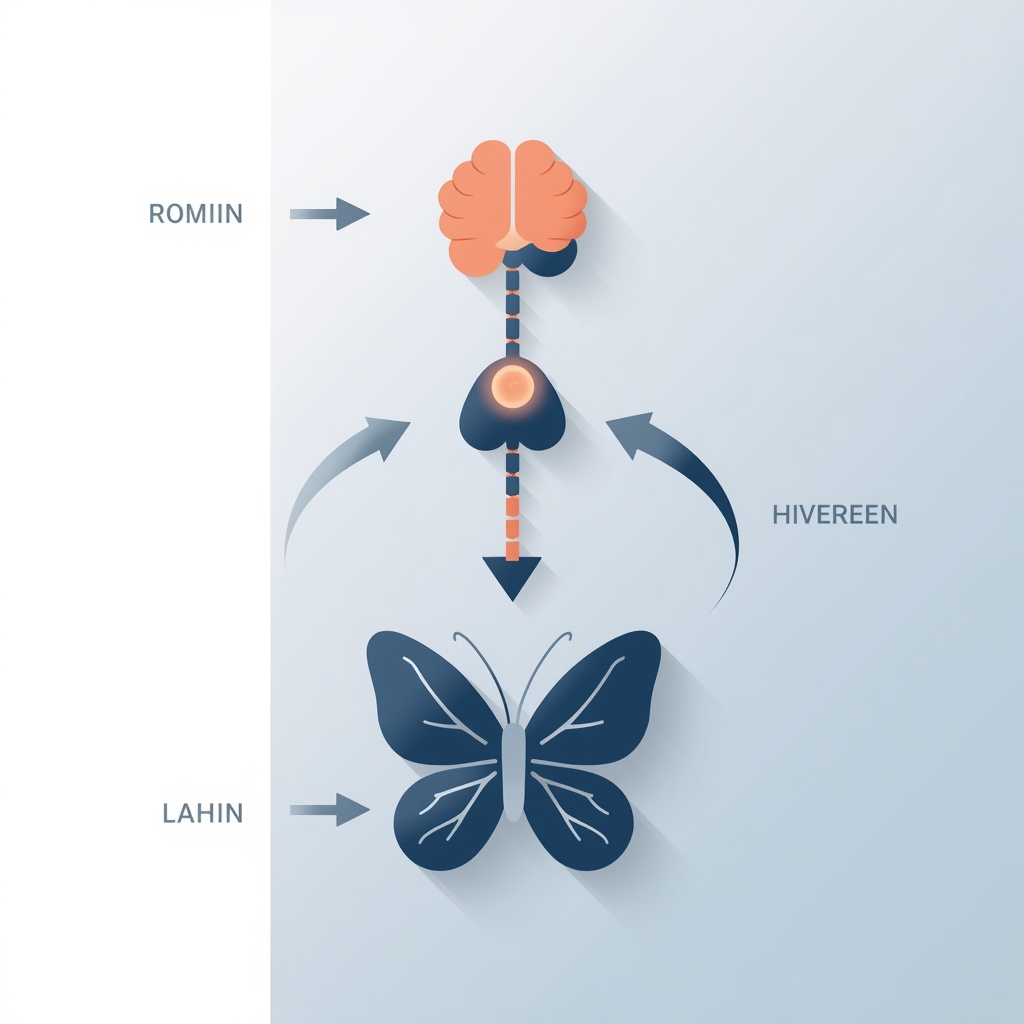
Levothyroxine replaces the thyroxine that the thyroid gland no longer produces. In healthy individuals, the hypothalamus releases thyrotropin-releasing hormone. TRH stimulates the pituitary to release thyroid-stimulating hormone. TSH stimulates the thyroid to produce T4 and T3. In hypothyroidism, the thyroid cannot respond. TSH rises. Synthroid provides exogenous T4. The pituitary senses adequate T4 and reduces TSH secretion.
In thyroid cancer, the goal is different. Thyroid-stimulating hormone stimulates thyroid cell growth. In well-differentiated thyroid cancer, suppressing TSH reduces the stimulus for cancer recurrence. Target TSH levels depend on cancer stage and risk. High-risk patients maintain TSH below 0.1 mIU per liter. Low-risk patients maintain TSH between 0.1 and 0.5 mIU per liter.
Key mechanisms:
- Hormone replacement: Exogenous T4 replaces deficient endogenous production in hypothyroidism.
- Pituitary feedback suppression: Adequate T4 levels suppress TSH secretion through negative feedback.
- T4 to T3 conversion: Peripheral tissues convert T4 to active T3 via deiodinase enzymes.
- Cancer growth suppression: Low TSH reduces stimulus for residual thyroid cancer cell proliferation.
Conditions Treated by Synthroid
The FDA approved levothyroxine for three primary indications. It is used off-label for related endocrine conditions when TSH targets require precise hormonal control. Synthroid replaces deficient thyroid hormone regardless of whether the failure is primary, secondary or tertiary in origin.
- Hypothyroidism: Primary hypothyroidism means the thyroid gland fails. Secondary hypothyroidism means the pituitary fails. Tertiary hypothyroidism means the hypothalamus fails. Synthroid replaces the missing hormone regardless of cause. It is the standard of care worldwide.
- Thyroid-stimulating hormone suppression: Adjunct to surgery and radioactive iodine in well-differentiated thyroid cancer. Suppressing TSH reduces cancer recurrence risk. Target TSH levels are stage-specific. This is not indicated for benign thyroid nodules in iodine-sufficient patients.
- Congenital hypothyroidism: Neonatal hypothyroidism requires immediate treatment. Starting dose is 10 to 15 mcg per kilogram per day. Delayed treatment causes irreversible intellectual disability and growth failure. Newborn screening programs identify cases within days of birth.
Synthroid is not for the recovery phase of subacute thyroiditis. It is not for benign thyroid nodules in iodine-sufficient patients. It is not for weight loss or obesity treatment. The FDA boxed warning explicitly prohibits this use. Patients taking other endocrine medications should disclose all drugs to their physician before starting or adjusting Synthroid.
Synthroid Dosage and Strengths
Synthroid tablets come in twelve color-coded strengths to prevent dispensing errors in pharmacies. Dosing is weight-based and varies by patient age, cardiac status and specific clinical indication. Oral and intravenous forms are both available for patients who cannot swallow tablets.
Available Forms
Synthroid tablets come in twelve color-coded strengths. Color coding helps prevent dispensing errors.
- 25 mcg: Orange. Starting dose for geriatric patients or those with cardiac disease.
- 50 mcg: White. Low starting dose for sensitive adults.
- 75 mcg: Purple. Common maintenance dose for small adults.
- 88 mcg: Olive green. Intermediate maintenance dose.
- 100 mcg: Yellow. Common maintenance dose for average-weight adults.
- 112 mcg: Rose. Intermediate maintenance dose.
- 125 mcg: Brown. Common maintenance dose for larger adults.
- 137 mcg: Turquoise. Precision dose for fine-tuning.
- 150 mcg: Blue. Higher maintenance dose.
- 175 mcg: Lilac. Higher maintenance dose.
- 200 mcg: Pink. Maximum common maintenance dose.
- 300 mcg: Green. Rarely needed; usually for thyroid cancer suppression.
Oral solution and intravenous forms are also available. Oral solution is useful for patients who cannot swallow tablets. Intravenous levothyroxine is reserved for hospital use in patients who cannot take anything by mouth.
Standard Adult Dosing
The full replacement dose for healthy adults is 1.6 mcg per kilogram of body weight daily. A 70 kg adult needs 112 mcg daily. This is typically one 100 mcg tablet plus one 12.5 mcg half-tablet, or one 112 mcg tablet. Doses greater than 200 mcg per day are seldom required. An inadequate response to daily doses greater than 300 mcg is rare. It may indicate poor compliance, malabsorption, drug interactions or a combination of these factors.
Patients with cardiac disease or at risk for atrial fibrillation require a lower starting dose. Start with 25 mcg daily. Titrate by 12.5 to 25 mcg every 4 to 6 weeks. Slow titration prevents cardiac adverse effects. Geriatric patients over 65 years also require lower starting doses and slower titration.
Monitor serum TSH 6 to 8 weeks after initiating treatment or after any dose change. Once the patient is euthyroid, monitor TSH every 6 to 12 months. More frequent monitoring is needed if clinical status changes, new medications are added or pregnancy occurs.
Pediatric Dosing
Pediatric dosing is weight-based and age-dependent. Higher doses per kilogram are needed in younger children because T4 turnover is faster.
- 0 to 3 months: 10 to 15 mcg per kg per day. Neonates with congenital hypothyroidism need immediate high-dose therapy.
- 3 to 6 months: 8 to 10 mcg per kg per day.
- 6 to 12 months: 6 to 8 mcg per kg per day.
- 1 to 5 years: 5 to 6 mcg per kg per day.
- 6 to 12 years: 4 to 5 mcg per kg per day.
- Greater than 12 years, growth and puberty incomplete: 2 to 3 mcg per kg per day.
- Growth and puberty complete: 1.6 mcg per kg per day, same as adults.
Monitor TSH and free T4 at 2 and 4 weeks after starting therapy. Monitor 2 weeks after any dose change. Then monitor every 3 to 12 months until growth is complete. Poor compliance or abnormal values necessitate more frequent monitoring. Assess mental and physical growth and bone maturation at regular intervals.
Missed Dose Instructions
Take the missed dose as soon as you remember unless it is close to the next scheduled dose. Do not double the dose. Doubling increases the risk of hyperthyroidism symptoms including tachycardia, tremors and insomnia. If you miss multiple doses, contact your doctor. TSH may rise within days of missed doses. Resume the normal schedule at the next dose. Consistency is critical because of the narrow therapeutic index.
Side Effects
Side effects of Synthroid are almost always signs of over-replacement during levothyroxine therapy. They indicate the dose exceeds individual requirement and TSH has fallen below the normal reference range. FDA clinical trials report specific symptoms including tachycardia, tremors and insomnia.
Common Side Effects
Side effects of Synthroid are almost always signs of over-replacement. They indicate the dose is too high. The following symptoms occur when TSH is suppressed below the normal range:
- Tachycardia or palpitations (heart rate above 100 beats per minute)
- Tremors or shakiness in hands
- Insomnia or difficulty sleeping
- Weight loss despite normal appetite
- Heat intolerance and excessive sweating
- Anxiety or nervousness
- Diarrhea or increased bowel movements
- Headache
- Menstrual irregularities in women
Serious Side Effects
Contact a doctor immediately if you experience:
- Atrial fibrillation: irregular heartbeat, chest discomfort, shortness of breath. Risk increases in patients over 60 and those with pre-existing heart disease. Rapid dose escalation is the primary trigger.
- Angina or myocardial infarction: chest pain, pressure, radiating pain to arm or jaw. Risk increases in patients with coronary artery disease. Even appropriate replacement doses can trigger ischemia in susceptible patients.
- Osteoporosis and bone fractures: long-term TSH suppression below 0.1 mIU per liter increases bone turnover. Postmenopausal women face the highest risk. Bone mineral density should be monitored in patients on long-term suppression therapy.
- Adrenal insufficiency crisis: if undiagnosed adrenal insufficiency exists, thyroid hormone replacement can precipitate adrenal crisis. Symptoms include severe fatigue, hypotension, vomiting and shock. Always evaluate adrenal function before starting levothyroxine in patients with pituitary disease.
- Seizures in infants: excessive doses in neonates can cause craniosynostosis and premature closure of fontanelles. Neonatal dosing requires precise weight-based calculation and frequent monitoring.
Who Should Not Take Synthroid
Do not take Synthroid if you have thyrotoxicosis or hyperthyroidism. Do not take if you have acute myocardial infarction. Do not take if you have uncorrected adrenal insufficiency. Do not take if you have acute myocarditis or pancarditis. Do not take if you have active cardiac arrhythmias. Do not take if you have hypersensitivity to levothyroxine or any tablet component.
Do not use Synthroid for weight loss or obesity treatment. The FDA boxed warning states that thyroid hormones in doses beyond daily requirements produce serious and life-threatening toxicity. In euthyroid patients, levothyroxine is ineffective for weight loss. Larger doses may cause angina, arrhythmia, heart failure or death. Never combine levothyroxine with sympathomimetic amines such as phentermine for weight loss.
Warnings and Precautions
Synthroid carries a black box warning for cardiac adverse effects in susceptible patients. Levothyroxine increases heart rate and myocardial contractility significantly. Rapid dose escalation can precipitate angina, arrhythmia or myocardial infarction in patients with underlying coronary artery disease or heart failure.
Cardiac Adverse Effects
Levothyroxine increases heart rate and cardiac contractility. In patients with coronary artery disease, this can precipitate angina or myocardial infarction. Start with 25 mcg daily in cardiac patients. Titrate by 12.5 to 25 mcg every 4 to 6 weeks. Monitor for chest pain, dyspnea and palpitations. Beta-blockers may be needed during titration. Atrial fibrillation risk increases with age and rapid dose escalation.
Bone Mineral Density
Long-term TSH suppression increases bone turnover. Postmenopausal women on thyroid cancer suppression therapy face the greatest risk. Bone mineral density should be assessed at baseline and periodically thereafter. Consider calcium and vitamin D supplementation. Bisphosphonates may be needed if osteoporosis develops. The risk is dose-dependent and TSH-level-dependent.
Adrenal Insufficiency
Patients with pituitary disease may have secondary hypothyroidism and concurrent adrenal insufficiency. Thyroid hormone replacement increases metabolic demand. If cortisol is insufficient, this can precipitate adrenal crisis. Always evaluate adrenal function with morning cortisol or ACTH stimulation testing before starting levothyroxine in patients with pituitary or hypothalamic disease. Treat adrenal insufficiency with corticosteroids before initiating thyroid replacement.
Pregnancy and Postpartum
Pregnancy increases levothyroxine requirements by 20 to 50 percent. Measure serum TSH and free T4 as soon as pregnancy is confirmed. Monitor at minimum during each trimester. In pregnant patients with primary hypothyroidism, maintain serum TSH in the trimester-specific reference range. Increase the dose by 12.5 to 25 mcg per day as needed. Reduce to the pre-pregnancy dose immediately after delivery. Monitor TSH 4 to 8 weeks postpartum.
New onset hypothyroidism in pregnancy requires 1.8 mcg per kg per day. Adjust every 4 weeks until TSH is in the normal trimester-specific range. Levothyroxine is Category A. It is safe during pregnancy and breastfeeding. It crosses the placenta minimally. Adequate maternal thyroid hormone is essential for fetal brain development.
Drug Interactions
Synthroid interacts with numerous medications that alter absorption, metabolism or protein binding in the body. Always provide your doctor with a complete medication list before starting or adjusting levothyroxine. Many interactions affect gastric acidity or intestinal transit time significantly during therapy.
- Iron supplements, calcium supplements, aluminum-containing antacids: Reduce levothyroxine absorption. Administer Synthroid at least 4 hours before or after these products.
- Proton pump inhibitors and antacids: Reduce gastric acidity. Lower levothyroxine absorption. Monitor TSH if starting or stopping PPI therapy.
- Cholestyramine: Binds levothyroxine in the gut. Reduces absorption. Administer at least 4 to 5 hours apart.
- Phenytoin: May increase hepatic metabolism of levothyroxine. May require dose increase. Monitor TSH.
- Oral semaglutide (GLP-1 analog): Increases total T4 exposure. Monitor thyroid function and adjust levothyroxine dose.
- Warfarin: Levothyroxine may increase anticoagulant effect. Monitor INR closely when starting, stopping or changing dose.
- Estrogens and oral contraceptives: Increase thyroxine-binding globulin. May require dose increase. Monitor TSH.
- Androgens and anabolic steroids: Decrease thyroxine-binding globulin. May require dose decrease. Monitor TSH.
- Sertraline and other SSRIs: May increase levothyroxine requirements in some patients. Monitor TSH.
Synthroid and Pregnancy
Levothyroxine is FDA Category A. It is safe and necessary during pregnancy. Untreated maternal hypothyroidism causes miscarriage, preterm birth, preeclampsia and impaired fetal neurodevelopment. The fetus depends on maternal thyroid hormone in the first trimester. Its own thyroid does not function until 10 to 12 weeks gestation.
Pregnancy increases levothyroxine requirements by 20 to 50 percent. Measure TSH and free T4 as soon as pregnancy is confirmed. Monitor during each trimester. Increase the dose by 12.5 to 25 mcg per day as needed. The American Thyroid Association recommends levothyroxine as the treatment of choice for maternal hypothyroidism. Other thyroid preparations such as T3 or desiccated thyroid should not be used in pregnancy.
After delivery, reduce the dose to the pre-pregnancy level immediately. Monitor TSH 4 to 8 weeks postpartum. Levothyroxine passes into breast milk in small amounts. It does not harm the infant. Adequate maternal thyroid hormone normalizes milk production in hypothyroid lactating mothers. Continue breastfeeding while on levothyroxine.
Overdose Information
Overdose symptoms are identical to hyperthyroidism. They include tachycardia, arrhythmias, tremors, anxiety, insomnia, heat intolerance, sweating, weight loss, diarrhea and vomiting. Severe overdose can cause thyroid storm with fever, delirium, heart failure and death. Treatment is supportive and requires immediate medical attention. Beta-blockers control tachycardia and tremors. Corticosteroids block T4 to T3 conversion. Contact poison control at 1-800-222-1222. Seek emergency care for severe symptoms.
Synthroid vs Desiccated Thyroid Extract
Synthroid and desiccated thyroid extract such as Armour Thyroid are both thyroid hormone replacements. They differ in composition, consistency, regulatory status and T3 content. Synthroid contains pure synthetic T4. Desiccated extract contains both T4 and T3 in a ratio of 4 to 1.
Synthroid contains pure synthetic levothyroxine, or T4. It is standardized and consistent. Each tablet contains a precise amount of hormone. The FDA approves it for hypothyroidism and thyroid cancer suppression. It has a narrow therapeutic index. Brand consistency matters.
Desiccated thyroid extract is derived from pig thyroid glands. It contains both T4 and T3 in a ratio of 4 to 1. The T3 content provides more immediate hormone activity. Some patients prefer it for subjective symptom relief. However, batch-to-batch potency varies. The T3 component causes supraphysiologic T3 peaks. This increases cardiac risk. The FDA does not approve desiccated thyroid for modern hypothyroidism treatment. The American Thyroid Association recommends against its use as first-line therapy.
Choose Synthroid for precise, consistent, evidence-based therapy. Choose desiccated thyroid only if Synthroid fails to resolve symptoms after optimal TSH normalization and if a patient insists after informed discussion. Never switch between products without TSH monitoring.
Storage and Handling
Store Synthroid tablets at room temperature between 20C and 25C. Keep away from moisture, heat and light. Do not store in the bathroom. Keep out of reach of children. Discard expired products. Do not use if the seal is broken. Protect from moisture in original container. Do not remove the desiccant packet.
Frequently Asked Questions
How long does it take for Synthroid to work?
Symptoms begin improving within 1 to 2 weeks. TSH begins falling within 2 to 4 weeks. Full clinical benefit develops over 4 to 6 weeks as steady state is reached. Dose adjustments occur every 6 to 8 weeks until TSH normalizes.
Can you take Synthroid with coffee?
No. Coffee reduces levothyroxine absorption. Take Synthroid on an empty stomach with water only. Wait 30 to 60 minutes before breakfast. Wait at least 4 hours before taking coffee with milk or cream, as dairy contains calcium. Black coffee may be acceptable after 30 minutes but water is safest.
Can Synthroid cause weight loss?
Synthroid is not a weight loss drug. The FDA boxed warning prohibits use for obesity. In euthyroid patients, levothyroxine does not cause weight loss. In hypothyroid patients, appropriate replacement may cause 2 to 5 kilograms of weight normalization as metabolism recovers. Doses beyond requirements cause dangerous toxicity including arrhythmia and heart failure.
What happens if you miss a dose of Synthroid?
Take the missed dose when you remember unless the next dose is close. Do not double the dose. Doubling increases hyperthyroidism symptoms. TSH may rise within days of missed doses. Contact your doctor if you miss multiple doses. Resume the normal schedule at the next dose.
Can you switch between Synthroid and generic levothyroxine?
The FDA requires consistent use of the same brand or manufacturer. Switching between products may alter TSH levels. If a switch is necessary, recheck TSH 6 to 8 weeks later. Generic levothyroxine is bioequivalent but formulation differences affect absorption. Some patients are sensitive to even minor changes. Stick with one product long-term.
Does Synthroid interact with iron supplements?
Yes. Iron reduces levothyroxine absorption significantly. Take Synthroid at least 4 hours before or after iron supplements. The same applies to calcium supplements, aluminum antacids and proton pump inhibitors. Coffee, soy and high-fiber foods also reduce absorption. Take Synthroid with water on an empty stomach for maximum consistency.
Can Synthroid cause heart problems?
Yes, if the dose is too high or titrated too quickly. Excessive levothyroxine causes tachycardia, atrial fibrillation and angina. Risk is highest in patients over 60 and those with pre-existing heart disease. Start with 25 mcg daily in cardiac patients. Titrate slowly. Monitor for chest pain, palpitations and shortness of breath.
Is Synthroid safe during pregnancy?
Yes. Levothyroxine is FDA Category A. It is essential during pregnancy. Untreated hypothyroidism causes miscarriage and impaired fetal brain development. Requirements increase by 20 to 50 percent. Monitor TSH each trimester. Increase dose by 12.5 to 25 mcg as needed. Reduce to pre-pregnancy dose after delivery. It is safe during breastfeeding.
Can switching Synthroid brands change how I feel?
Yes, potentially. The FDA allows generic levothyroxine products a bioequivalence range of 80 to 125 percent of the reference product potency. For a narrow therapeutic index medication, this range can shift TSH levels measurably. Endocrinology guidelines recommend rechecking TSH 6 to 8 weeks after any brand or manufacturer switch. The FDA requires consistent use of the same brand or manufacturer. If a switch is necessary, recheck TSH 6 to 8 weeks later. Some patients are sensitive to even minor formulation changes.
How often should TSH be checked on Synthroid?
Check TSH 6 to 8 weeks after starting or changing the dose. Once stable, check every 6 to 12 months. Check more frequently if symptoms change, new medications are added, pregnancy occurs or weight changes significantly. Pediatric patients need TSH and free T4 at 2 and 4 weeks after starting, then every 3 to 12 months until growth is complete.
Questions about Synthroid?
VippHealth does not sell medication. We publish facts for patients and caregivers. Send corrections or questions to our editorial team.
Email the Editorial TeamSources and References
- U.S. Food and Drug Administration – SYNTHROID (levothyroxine sodium) Tablets Prescribing Information, NDA 021402
- DailyMed – Levothyroxine Sodium Tablets Drug Label, National Library of Medicine, Updated April 2025
- PubMed – Chaker L et al. Hypothyroidism. Lancet. 2017
- PMC – Jonklaas J et al. Guidelines for the Treatment of Hypothyroidism. Thyroid. 2014
- American Thyroid Association – Hypothyroidism During Pregnancy: Clinical Guidelines, 2023
Editorial Standards
Our team reviews medical literature and FDA labeling to write each guide. We do not sell medication. It is not reviewed by a licensed pharmacist or physician.
Medical Disclaimer
This page is for education only. It does not replace advice from your doctor. Never start, stop, or change a dose of levothyroxine without medical guidance.
Emergency Notice
Call 911 for severe chest pain, irregular heartbeat, or difficulty breathing. Call Poison Control at 1-800-222-1222 for a suspected overdose.